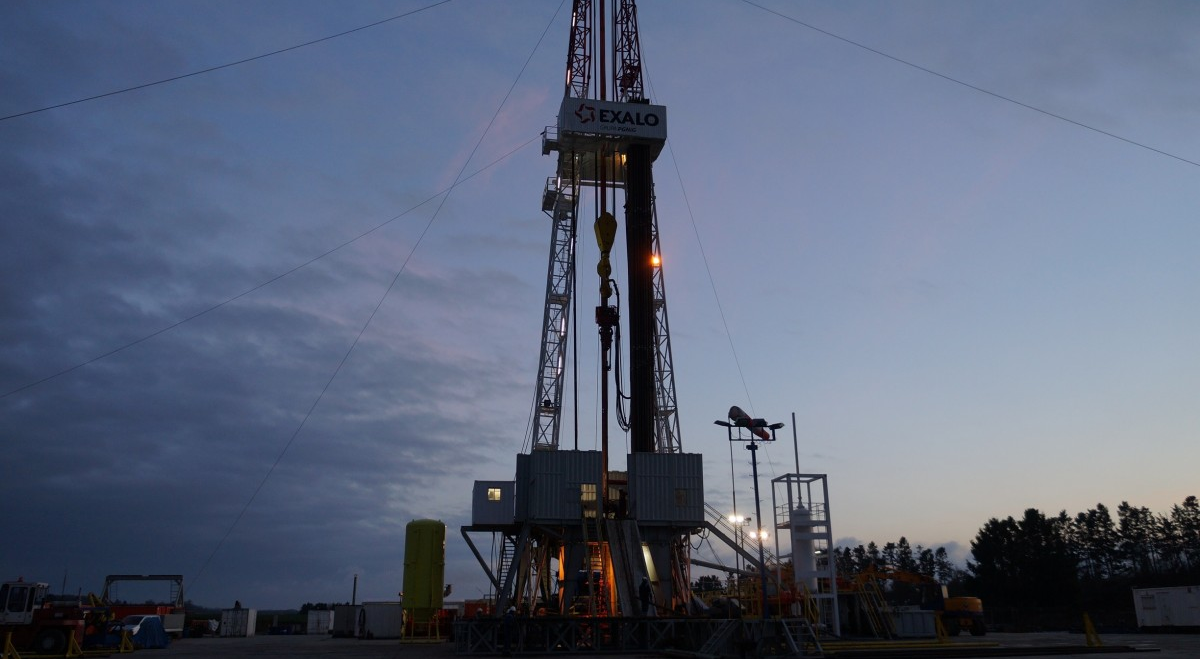
European wholesale natural gas prices remained close to four-month highs on Friday, leaving benchmark contracts on course for a fourth consecutive weekly advance as geopolitical tensions and concerns over winter inventories continued to support the market.
The current run of weekly gains would represent the longest winning streak for European gas prices since May last year, reflecting mounting anxiety over supply security ahead of the colder months.
Benchmark gas contracts continue higher
The Dutch front-month contract at the Title Transfer Facility (TTF), Europe’s benchmark gas market, rose 0.4% to trade near its highest level in four months. Britain’s equivalent front-month wholesale gas contract also advanced, gaining 0.3%.
Both contracts remain on track to finish the week higher as traders continue to price in geopolitical risks alongside tightening global supplies of liquefied natural gas (LNG).
Storage concerns reinforce bullish sentiment
Market confidence received additional support earlier this week after Equinor, Europe’s largest domestic gas producer, warned that the region is unlikely to reach its target of filling underground gas storage facilities to 80% capacity before winter.
Equinor Chief Executive Anders Opedal said storage sites across Europe are currently around 54% full, placing inventories below the seasonal five-year average and marking the second-lowest level recorded for this time of year in the past 15 years.
The warning has heightened concerns that Europe could enter the winter heating season with reduced supply buffers.
Middle East disruptions tighten the LNG market
The outlook has also been affected by escalating conflict in the Middle East, where disruptions to shipping through the Strait of Hormuz have constrained a significant share of global LNG exports.
As cargo availability tightens, Asian importers have been willing to pay higher prices for flexible LNG shipments, drawing uncommitted cargoes away from European buyers and increasing competition for available supply.
Higher energy costs complicate monetary policy
The continued rise in wholesale gas prices is also adding to inflation concerns across Europe.
With energy costs feeding through into consumer prices, financial markets are increasingly considering the possibility that central banks may delay additional interest rate cuts or maintain restrictive monetary policy for longer than previously expected.
Leave a Reply