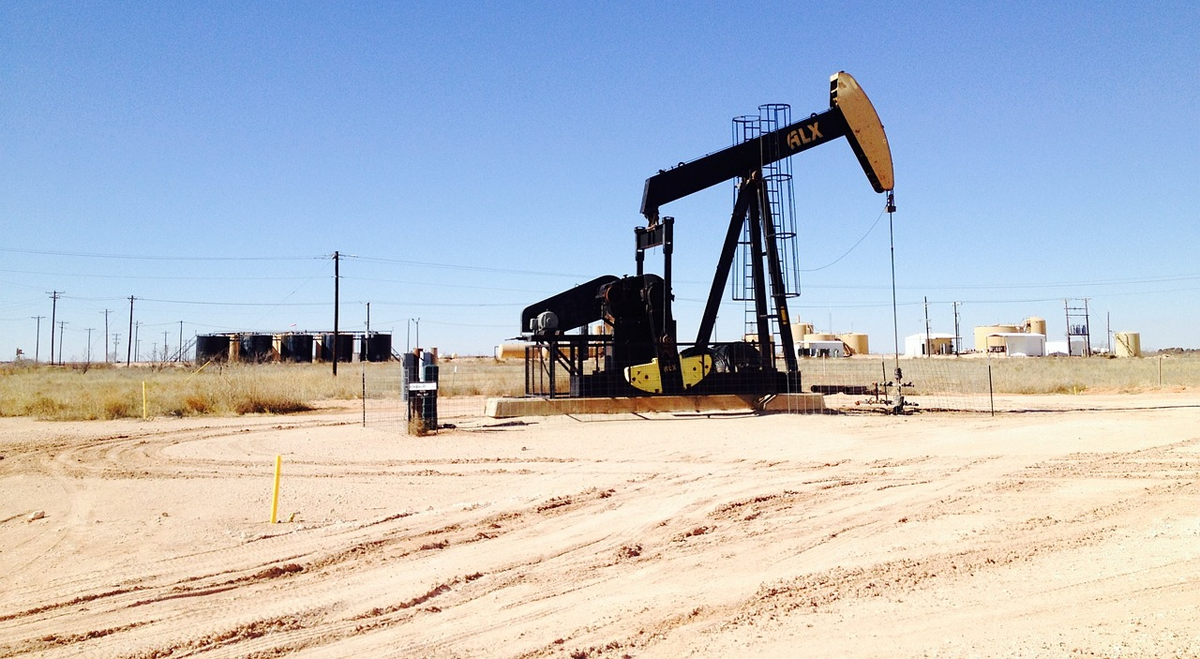
Petro Matad (LSE:MATD) has implemented its 2026 Oil Sales Agreement with PetroChina, removing a significant commercial hurdle and providing a route to export and sell crude produced from its Block XX operations in Mongolia.
The agreement covers approximately 48,000 barrels of Block XX crude, with Petro Matad expecting to receive the associated revenue later in 2026. The development provides greater clarity over monetisation of existing production after delays in finalising the sales arrangement.
While awaiting the proceeds, the company is prioritising cash preservation and has deferred several planned exploration and development activities.
Seismic Survey and Well Work Postponed
Petro Matad has postponed a planned 3D seismic programme as well as work at the Heron-2 and Gobi Bear-1 wells to conserve financial resources until revenue from the oil sales agreement is received.
Alongside its existing operations, the company continues to seek partners capable of helping fund and accelerate development of its Mongolian upstream portfolio.
Five companies, predominantly from Asia, are currently reviewing potential farm-out opportunities covering Blocks XX and VII. Securing a suitable partner could provide additional funding while sharing the financial and operational risks associated with future exploration and development.
SunSteppe Builds 600 MW Renewable Energy Portfolio
Petro Matad is also making progress with its diversification into renewable energy through its 50%-owned SunSteppe Renewable Energy joint venture.
SunSteppe has secured exclusivity over three utility-scale solar and battery storage projects with combined capacity of 290 MW. It also intends to bid for an additional 100 MW wind development.
These opportunities take SunSteppe’s exclusively held renewable energy portfolio to approximately 600 MW, creating a potentially significant development pipeline alongside Petro Matad’s traditional oil operations.
The renewable projects have received strong government support as Mongolia seeks to accelerate the expansion of domestic clean-energy capacity.
Two 100 MW Projects Secure Key Approvals
Two fast-tracked projects, each with planned capacity of 100 MW, have already received feasibility approvals and construction licences.
Progressing these developments could allow SunSteppe to begin crystallising value from its renewable portfolio while giving Petro Matad greater exposure to Mongolia’s expanding clean-power sector.
Over time, successful development or monetisation of these assets could create a more diversified business model, balancing Petro Matad’s upstream oil exposure with renewable energy investments.
Cash Flow Remains a Key Financial Risk
Despite the commercial progress, Petro Matad’s wider financial outlook remains constrained by significant losses, negative margins and continued negative operating and free cash flow.
Technical indicators are also generally bearish, with the shares trading below major moving averages and MACD remaining negative. Oversold readings could indicate that selling pressure has become extended, although they do not remove the broader technical weakness.
The company’s relatively low level of debt provides some financial resilience. However, conventional valuation metrics remain difficult to apply while earnings are negative and no dividend is available.
Receipt of proceeds from the Block XX crude sale, progress on farm-out discussions and advancement of SunSteppe’s renewable projects are therefore likely to be important factors in Petro Matad’s near-term outlook.
More About Petro Matad
Petro Matad is an AIM-quoted oil exploration, development and production company focused on Mongolia. It holds 100% working interests and operatorship of the Block XX and Block VII production sharing contracts.
Alongside its upstream operations, Petro Matad owns a 50% interest in SunSteppe Renewable Energy, a joint venture developing utility-scale clean-energy projects in Mongolia.
The combination gives the group exposure to both conventional oil production and the country’s emerging renewable energy market, with solar, battery storage and wind projects forming an increasingly important part of its development portfolio.
Leave a Reply