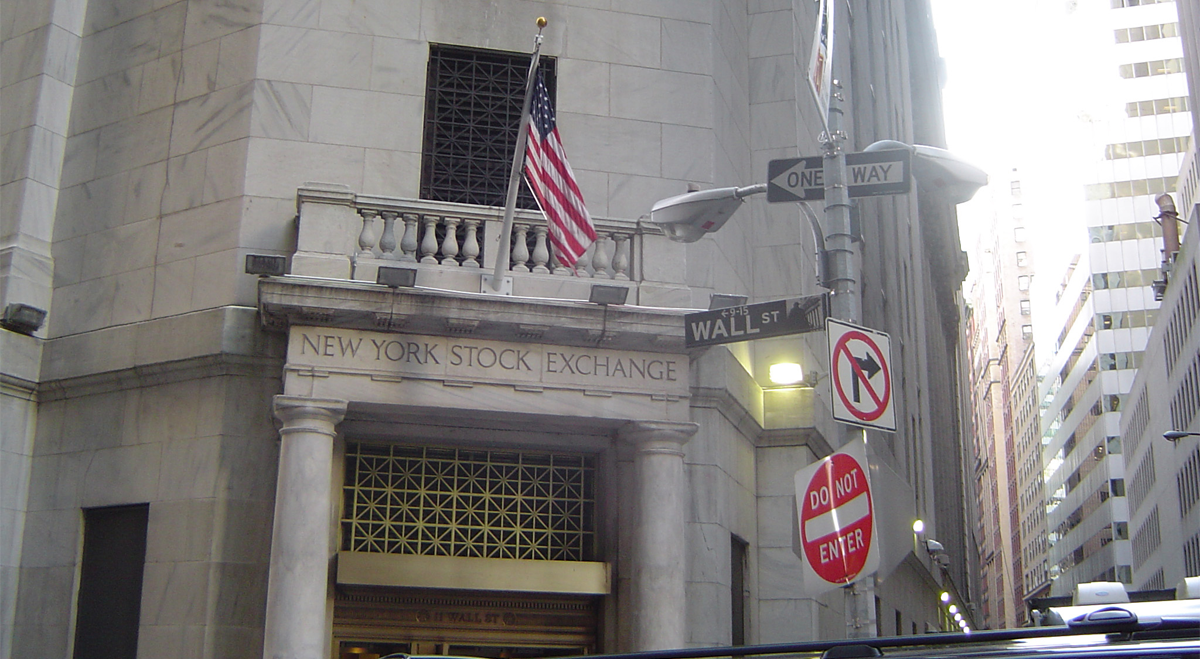
U.S. stock futures traded lower on Tuesday as markets faced a combination of renewed oil-price pressure, continued disruption in the Strait of Hormuz and the approaching introduction of additional U.S. tariffs on Canadian goods.
Investors were also preparing for quarterly results from Home Depot (NYSE:HD), which will provide another indication of the health of the U.S. consumer. Gold, meanwhile, slipped below $4,400 an ounce as Treasury yields moved higher.
Nasdaq Futures Lead Declines
At 03:05 ET (07:05 GMT), Dow futures were down 49 points, or 0.1%, while S&P 500 futures fell 29 points, equivalent to 0.4%. Nasdaq 100 futures were the weakest of the three, dropping 209 points, or 0.7%.
The moves followed a negative session on Monday, when the major Wall Street averages declined and the S&P 500 recorded its worst trading day of August so far.
“The overall equity mood soured,” analysts at Vital Knowledge said.
Semiconductor stocks provided some relief. Sentiment towards the sector was supported by reports surrounding revenue expectations at Claude developer Anthropic (NASDAQ:ANTP), as well as Nvidia’s (NASDAQ:NVDA) smaller-than-expected financial commitment to an Ohio data centre. Vital Knowledge said the developments helped reinforce enthusiasm surrounding artificial intelligence.
However, Deutsche Bank strategists highlighted the renewed increase in crude prices and the potential inflationary consequences of the Iran war. The move in energy markets was accompanied by higher U.S. government bond yields.
Strait of Hormuz Disruption Keeps Oil Above $90
Brent crude futures rose 0.3% to $91.10 per barrel on Tuesday, while U.S. West Texas Intermediate gained 0.6% to $85.02.
The latest increase followed another incident in the Strait of Hormuz. The United Kingdom Maritime Trade Operations agency said a vessel travelling outbound through the waterway had been struck by an unidentified projectile, damaging its engine room and resulting in a crew casualty.
Political tensions have also intensified after U.S. President Donald Trump ruled out extending the framework ceasefire agreement reached with Tehran in June. The agreement expired on Monday.
Trump said the U.S. had established a back channel with officials from Iran’s Islamic Revolutionary Guard Corps, although Tehran rejected that assertion.
The president also threatened military action against Oman, which has been attempting to negotiate an agreement with Iran to reopen the Strait of Hormuz. Both countries border the strategically important shipping route.
Commercial tanker traffic remains effectively suspended through the strait, which carried approximately one-fifth of global oil flows before the war began in late February.
“With both sides still far apart, investors grew pessimistic that the Strait of Hormuz would properly reopen any time soon,” Deutsche Bank analysts said.
Higher Treasury Yields Pressure Gold
Gold moved below $4,400 an ounce as rising U.S. Treasury yields reduced the appeal of the non-interest-bearing precious metal.
The benchmark 10-year Treasury yield extended its advance as investors considered whether higher energy costs could complicate the Federal Reserve’s inflation outlook.
Markets are awaiting minutes from the Fed’s July meeting for further guidance on interest rates.
Expectations for a possible September rate increase have risen slightly because of inflation concerns linked to the Middle East conflict. Even so, the probability remains considerably lower than it was a week ago following unexpected employment losses, softer consumer inflation and disappointing July retail sales.
Canada Faces Midnight Tariff Deadline
Canada is preparing for another round of U.S. tariffs scheduled to take effect at midnight on Tuesday unless negotiations produce a last-minute agreement.
U.S. Trade Representative Jamieson Greer said any retaliation by Canada would not be “tolerated,” while adding that he expected the longstanding U.S. trading partner to take a “more conciliatory approach.”
Canadian Prime Minister Mark Carney is expected to speak with Trump on Tuesday, according to media reports. Carney has reportedly instructed Canadian negotiators to consider concessions that could prevent the new tariffs while potentially reducing some existing trade barriers.
The Trump administration threatened in July to impose 50% duties on a broad range of Canadian products, including wine, furniture, fishing rods and hockey sticks, invoking a Depression-era law aimed at countries accused of discriminating against U.S. goods.
Home Depot Results Could Shed Light on Consumer Demand
Home Depot (NYSE:HD) is due to report quarterly earnings, beginning a major week for U.S. retail results that will also include Walmart and Target.
The home-improvement retailer warned in May that economic uncertainty surrounding the Iran war, combined with affordability pressures, was discouraging consumers from undertaking major renovation projects.
Home Depot sells products ranging from around $5 to more than $500, while its average customer basket is approximately $90, leaving the business sensitive to changes in discretionary household spending.
CEO Ted Decker previously said customers appeared to be in “reasonably good shape,” although they were delaying larger remodelling projects.
The latest earnings could therefore provide investors with fresh evidence on whether consumers remain cautious about major purchases and home improvement spending.
Leave a Reply