European natural gas prices edged lower on Thursday as forecasts for milder weather across Western Europe reduced expectations for near-term heating demand, although continued shipping disruptions in the Middle East and relatively low gas storage levels limited the decline.
The benchmark Dutch front-month natural gas futures contract fell 1.8% to €85.50 per megawatt-hour (MWh), remaining close to its highest levels in approximately four years following substantial gains earlier in October.
The equivalent British wholesale gas contract traded around 212 pence per therm, reflecting a similar period of consolidation after recent price increases.
Despite the modest decline, European gas markets remained sensitive to supply risks associated with the Strait of Hormuz and concerns about the availability of stored gas ahead of winter.
Milder Weather Forecasts Reduce Near-Term Heating Demand
Updated weather forecasts indicated that temperatures across Western Europe could remain milder than previously expected over the coming days.
The outlook reduced expectations for an immediate increase in residential and commercial heating demand, easing some of the pressure on wholesale gas prices.
Milder conditions could also allow utilities to limit withdrawals from underground storage facilities before colder winter weather increases consumption.
The change in weather expectations contributed to Thursday’s decline in Dutch gas futures, although prices remained elevated compared with earlier periods.
Market participants continued to monitor weather developments as Europe approaches the winter heating season, when changes in temperature can have a significant effect on natural gas demand.
Strait of Hormuz Disruptions Maintain Pressure on LNG Supplies
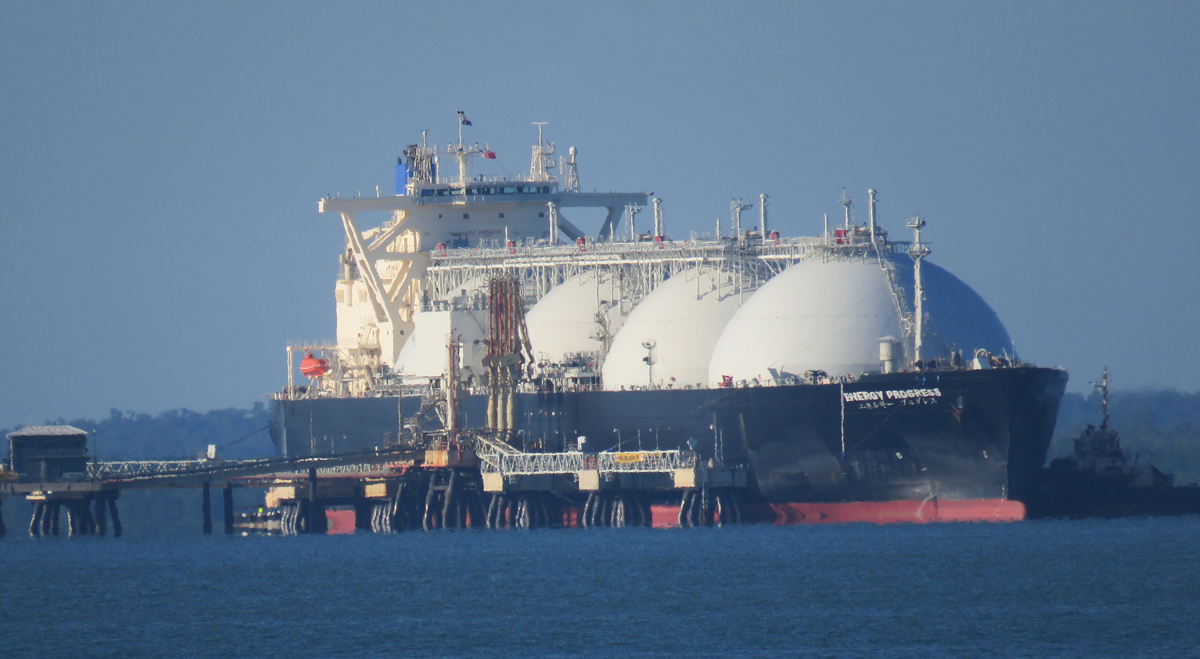
Shipping disruptions in the Middle East continued to influence European gas markets, particularly the transportation of liquefied natural gas.
According to Reuters, Iranian forces have adopted new tactics targeting commercial vessels travelling through the Strait of Hormuz, increasing uncertainty surrounding maritime transport in the region.
The disruption has affected LNG shipments originating in the Persian Gulf, creating concerns about delivery schedules and the availability of supplies for international buyers.
Some vessels have reportedly been forced to take longer routes around Africa, increasing transportation costs and delaying deliveries to European LNG import terminals.
These developments have contributed to higher prices as European buyers assess the potential impact of prolonged shipping restrictions on global gas supplies.
The Strait of Hormuz remains an important route for international energy shipments, meaning disruptions can affect markets beyond the Middle East.
EU Gas Storage Levels Stand at Approximately 74%
European Union underground natural gas storage facilities were approximately 74% full, according to the figures cited in Thursday’s market update.
That level was below historical seasonal averages for mid-October, leaving Europe with a smaller storage buffer ahead of the winter heating season.
Lower inventories increase the importance of continued LNG imports and pipeline supplies as demand begins to rise.
Although milder weather could temporarily reduce consumption, prolonged supply disruptions or a sustained period of colder temperatures could place additional pressure on storage levels.
The combination of relatively low inventories and uncertainty over LNG shipments has helped keep European wholesale gas prices elevated despite the latest decline.
Energy Prices Remain a Concern for Eurozone Inflation
European Central Bank President Christine Lagarde has identified higher energy costs as a major contributor to recent inflationary pressures across the eurozone.
The increase in natural gas prices has raised concerns about its potential impact on household energy bills and business operating costs.
Lagarde indicated that energy prices were the predominant driver of the recent inflation increase, while underlying core inflation dynamics remained comparatively manageable.
The developments present a challenge for policymakers assessing the outlook for inflation and future interest rate decisions.
For European gas markets, the immediate effect of milder weather has provided some relief from recent price increases. However, storage levels and continuing disruption to energy shipments through the Middle East remain important factors influencing prices ahead of winter.
Leave a Reply