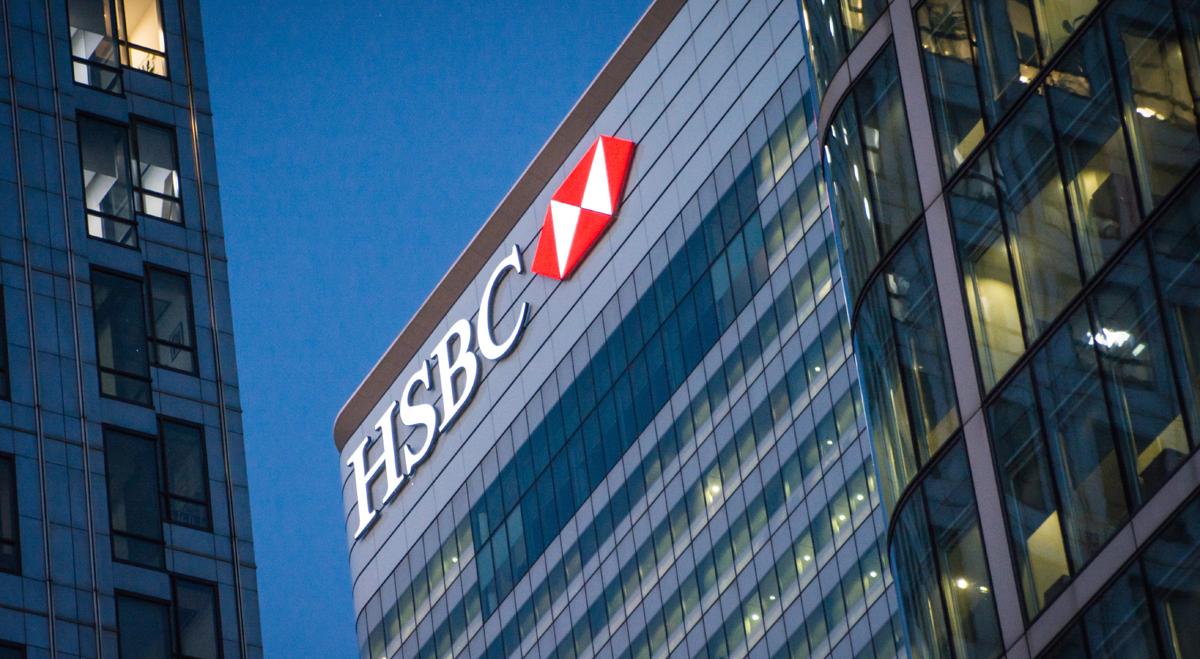
HSBC Holdings plc (LSE:HSBA) reported a 32% increase in third-quarter pretax profit to $9.6 billion, meeting analyst expectations, although revenue came in below forecasts as growth in its wealth management business slowed.
The London-headquartered banking group generated revenue of $18.6 billion for the July-to-September 2026 period, an increase of 5% from a year earlier but below analyst estimates of approximately $19 billion.
HSBC also announced a new share buyback programme of up to $1 billion and maintained its quarterly interim dividend at $0.10 per share.
Shares in the bank fell approximately 6% in Hong Kong following the results announcement, although they remained around 9% higher since the beginning of the year.
Third-Quarter Pretax Profit Increases to $9.6 Billion
HSBC reported pretax profit of $9.6 billion for Q3 2026, representing a 32% increase compared with the corresponding period in 2025.
The result was in line with market expectations and benefited partly from the absence of legal provisions recorded during the previous year’s third quarter.
Revenue increased 5% year on year to $18.6 billion, compared with analyst forecasts of approximately $19 billion.
The difference between reported revenue and market expectations contributed to the decline in HSBC’s Hong Kong-listed shares following publication of the results.
The bank’s quarterly performance also reflected changes in expected credit losses, which declined from the previous year.
HSBC reiterated that it remains on track to meet its principal profitability targets through 2028.
Wealth Management Revenue Remains Flat at $2.7 Billion
HSBC reported revenue of $2.7 billion from its wealth management business during the third quarter, broadly unchanged from the corresponding period a year earlier.
The result represented a moderation from the growth recorded earlier in 2026.
Wealth revenue had increased 15% year on year during the first quarter and 23% during the second quarter.
The absence of growth in Q3 contributed to group revenue falling below analyst forecasts.
Analysts at Citi and Jefferies described the results as slightly below expectations but identified underlying trends in wealth balances and private banking as indicators of continued business activity.
Their assessments suggested that developments in customer assets and private banking operations were more favourable than the flat quarterly wealth revenue figure alone indicated.
HSBC did not announce a change to its longer-term wealth management strategy alongside the results.
Expected Credit Losses Decline 17% to $800 Million
HSBC reported expected credit losses of approximately $800 million during the third quarter, representing a 17% reduction from the previous year.
The decrease reflected lower credit-related charges associated with Hong Kong’s property market and the bank’s wealth businesses in the UK and Mexico.
The reduction contributed to the group’s quarterly profitability.
Hong Kong commercial real estate has been an area of credit exposure for HSBC, making changes in related provisions relevant to its reported financial performance.
The bank also benefited from the absence of legal provisions that had affected the prior-year comparison.
Together, these factors contributed to the increase in pretax profit despite revenue coming in below market expectations.
HSBC Announces $1 Billion Share Buyback
HSBC announced a further share repurchase programme of up to $1 billion following its third-quarter results.
The amount matches the buyback announced for the preceding quarter.
The programme represents a continuation of the bank’s capital return activities.
HSBC also declared an interim dividend of $0.10 per share, unchanged from the previous quarter.
The bank did not announce an increase in its dividend or buyback allocation as part of the results.
The capital distribution announcements accompanied management’s confirmation that its profitability objectives through 2028 remain unchanged.
Basel 3.1 Reforms Expected to Benefit Capital Ratio
HSBC provided additional detail on the anticipated impact of Basel 3.1 banking capital regulations.
The bank said the regulatory changes could increase its core capital ratio by up to 0.5 percentage points.
This represents a more specific assessment than its previous indication that the reforms would provide a modest benefit.
Basel 3.1 introduces changes to the calculation of risk-weighted assets and regulatory capital requirements for banks.
The potential benefit identified by HSBC relates to its capital position under the revised regulatory framework.
The bank did not announce a corresponding change to its shareholder distribution plans.
Hong Kong Shares Decline Following Results
HSBC’s Hong Kong-listed shares fell approximately 6% following the publication of its third-quarter results.
The decline occurred despite the 32% increase in pretax profit and the announcement of a further share buyback.
Revenue falling short of expectations, together with slower growth in wealth management, were among the factors cited in the market reaction.
HSBC shares nevertheless remained approximately 9% higher for the year to date.
Chief Financial Officer Pam Kaur addressed expectations surrounding the bank’s financial outlook during a conference call with reporters.
“There is sometimes a market expectation that we upgrade guidance or targets,” Kaur said when asked about the share price decline.
HSBC maintained its existing profitability objectives rather than announcing an upgrade.
UK Banking Tax Debate Adds to Sector Outlook
HSBC’s results were published ahead of the UK government’s Budget, scheduled for Wednesday, 28 October 2026.
The banking sector has faced calls from campaign groups for increased taxation following a period of profitability across major European lenders.
Bank executives have opposed additional sector-specific levies, arguing that higher taxation could affect lending activity and the UK’s competitiveness as a financial centre.
The debate comes as banks assess the effects of inflation, interest rates and geopolitical developments on their operating environments.
HSBC did not announce any changes to its financial targets in response to the potential tax measures.
The impact of any future changes to UK banking taxation would depend on the measures ultimately adopted by the government.
Profitability Targets Through 2028 Maintained
HSBC confirmed that it remains on track to meet its core profitability objectives through 2028.
The bank’s third-quarter results showed higher pretax profit, lower expected credit losses and continued revenue growth, although the pace of expansion in wealth management moderated.
Management did not announce revised financial targets following the quarterly performance.
The group also maintained its shareholder distribution approach, with a $1 billion share buyback and an interim dividend of $0.10 per share.
Future performance will be influenced by lending conditions, wealth management activity, interest rates and credit developments across HSBC’s international markets.
The bank’s assessment of Basel 3.1 also indicates a potential improvement in its regulatory capital ratio as the reforms take effect.
More About HSBC Holdings
HSBC Holdings plc (LSE:HSBA) is an international banking and financial services group headquartered in London.
The company provides personal banking, commercial banking, wealth management and institutional financial services across multiple international markets.
Its operations include significant businesses in Asia, Europe and the Americas.
For the third quarter of 2026, HSBC reported pretax profit of $9.6 billion, an increase of 32%, and revenue of $18.6 billion, up 5% year on year.
Expected credit losses declined 17% to $800 million, while wealth management revenue remained unchanged at $2.7 billion.
HSBC announced a further share buyback of up to $1 billion and maintained its interim dividend at $0.10 per share.
The bank continues to target its existing profitability objectives through 2028.
Leave a Reply