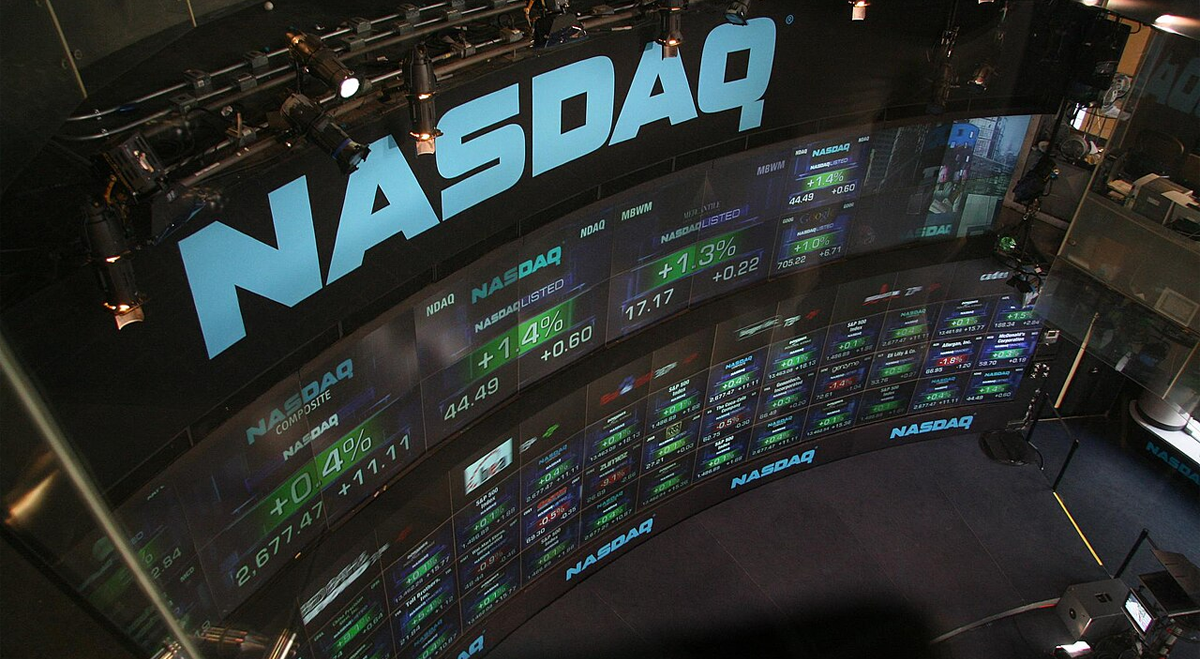
US stock futures showed mixed movements on Friday as investors assessed a stronger-than-expected October employment report following Thursday’s steep Wall Street sell-off. Technology shares appeared positioned for a recovery, although concerns about artificial intelligence investment and the political outlook continued to weigh on sentiment.
Nasdaq 100 futures climbed 1.3%, suggesting renewed buying interest following heavy losses in technology stocks. Dow Jones futures, however, declined 1%, pointing to continued weakness among major US blue-chip companies.
The contrasting movements followed a turbulent session in which the Nasdaq Composite recorded its lowest closing level in more than six months.
October Payrolls Rise by 165,000 as Unemployment Falls
The US labour market delivered stronger results than economists had anticipated, with non-farm payroll employment increasing by 165,000 in October.
Analysts had forecast the creation of 62,000 jobs, while September’s employment gain was revised upward to 60,000 from the initially reported 29,000.
The unemployment rate declined to 4.1% from 4.2% in September, defying expectations that it would remain unchanged.
Despite the positive figures, futures continued trading in opposite directions, reflecting uncertainty over the implications of stronger employment conditions for interest rates and financial markets.
Major US Indices Record Heavy Losses
Thursday’s session saw widespread selling across Wall Street, reversing the gains recorded during Wednesday’s recovery.
The Nasdaq Composite suffered the largest percentage decline, falling 5.5%, or 1,421.52 points, to 24,315.00.
The S&P 500 dropped 4.4%, equivalent to 334.89 points, closing at 7,353.73. Meanwhile, the Dow Jones Industrial Average lost 3.4%, or 1,833.06 points, finishing at 51,523.06.
All three benchmarks ended near their intraday lows, highlighting the strength of the selling pressure.
The technology-heavy Nasdaq fell into contraction territory, reaching its weakest closing level in more than six months.
AI Spending and Congressional Changes Fuel Uncertainty
Investor concerns centred on the sustainability of the artificial intelligence investment cycle, particularly whether the substantial capital committed to AI infrastructure can deliver sufficient returns.
Political developments added another source of uncertainty after Democrats gained control of both chambers of Congress in Tuesday’s midterm elections.
Some market participants expressed concern that the election results could lead to tighter regulation of artificial intelligence technologies and businesses.
Daniela Hathorn, Senior Market Analyst at Capital.com, commented on the cautious market environment.
“Despite yesterday’s relief rally on Wall Street, investors remain cautious about elevated technology valuations and whether substantial AI spending can generate sufficient returns,” Hathorn said.
These concerns contributed to particularly severe declines among semiconductor manufacturers and computer hardware companies.
Semiconductor Stocks Plunge More Than 12%
The Philadelphia Semiconductor Index fell 12.3% on Thursday, reaching its lowest closing level in almost seven months.
Computer hardware stocks also experienced substantial selling, with the NYSE Arca Computer Hardware Index declining 10%.
Financial companies were similarly affected. The NYSE Arca Broker/Dealer Index lost 4.3%, while the KBW Bank Index retreated 3.6%.
Transportation, energy and healthcare stocks also moved lower, although gold-related shares managed to resist the broader downturn.
Jobless Claims Decline to 189,000
Additional employment data released Thursday reinforced signs of resilience in the US labour market.
Initial claims for unemployment benefits declined by 6,000 to 189,000 during the week ended October 31, compared with a revised 195,000 in the previous week.
Economists had expected claims to increase to 196,000.
The latest figure matched the multi-decade low recorded during the week ended July 18, suggesting that layoffs remained relatively limited.
Wall Street Faces Uncertain Start to Friday Trading
The divergence between Nasdaq and Dow futures indicated that investors remained cautious about the broader market outlook despite signs of renewed demand for technology shares.
Stronger employment figures provided evidence of economic resilience, but concerns surrounding AI profitability, elevated valuations and possible regulatory changes continued to influence trading decisions.
Market participants will assess whether technology stocks can sustain their anticipated recovery or whether the selling pressure seen on Thursday will continue.
Leave a Reply