London stocks began Wednesday’s session on an uneven footing, with investors balancing geopolitical uncertainty in the Middle East against fresh inflation data from the UK. Concerns over oil prices and the outlook for global stability kept market sentiment cautious.
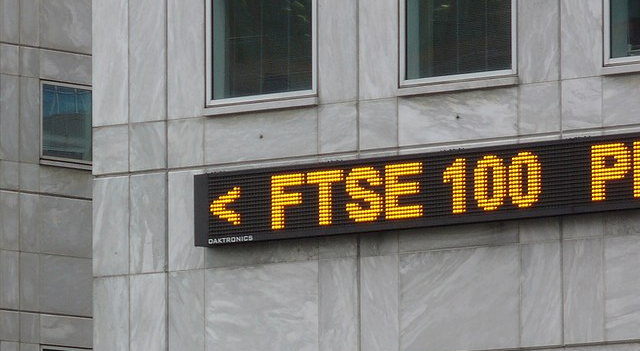
FTSE 100 slipped 0.2% in early trading, while DAX rose 0.2% and CAC 40 edged 0.1% higher. The pound showed modest strength, with GBP/USD up 0.1% at 1.3515.
Geopolitical developments remained a key driver. Donald Trump said he would indefinitely extend a ceasefire with Iran while maintaining a naval blockade, casting doubt over the chances of a lasting agreement. Iran has yet to respond formally and has previously indicated it would not enter negotiations while the blockade continues.
Oil markets reacted to the news, with prices easing slightly following the ceasefire extension. However, uncertainty around future negotiations and potential supply disruptions continued to weigh on sentiment. Traders are closely watching the Strait of Hormuz, a vital corridor responsible for around 20% of global oil flows.
Writing on Truth Social, Trump said Iran was “losing $500 million a day” and “starving for cash,” and that it wanted the Strait reopened. He added that the United States would “continue the blockade” while remaining ready for further action.
Trump added that Iran’s government was “seriously fractured”, saying Washington would hold off further attacks while awaiting a unified proposal from Tehran, but warned there could be no deal unless conditions around the blockade changed.
Shipping activity through the strait has been heavily reduced amid the conflict, helping to support crude prices despite the ceasefire. Trump also said Iran wanted the route reopened to generate revenue but was publicly maintaining a tougher stance to “save face.”
UK Inflation Rises
Data from the Office for National Statistics showed UK inflation climbed to 3.3% in March, matching forecasts. The increase was largely driven by higher fuel costs linked to the Middle East tensions.
Fuel prices recorded their sharpest increase in more than three years, adding to broader cost pressures across transport and food. Economists caution that inflation could continue to rise if energy prices remain elevated.
Leave a Reply