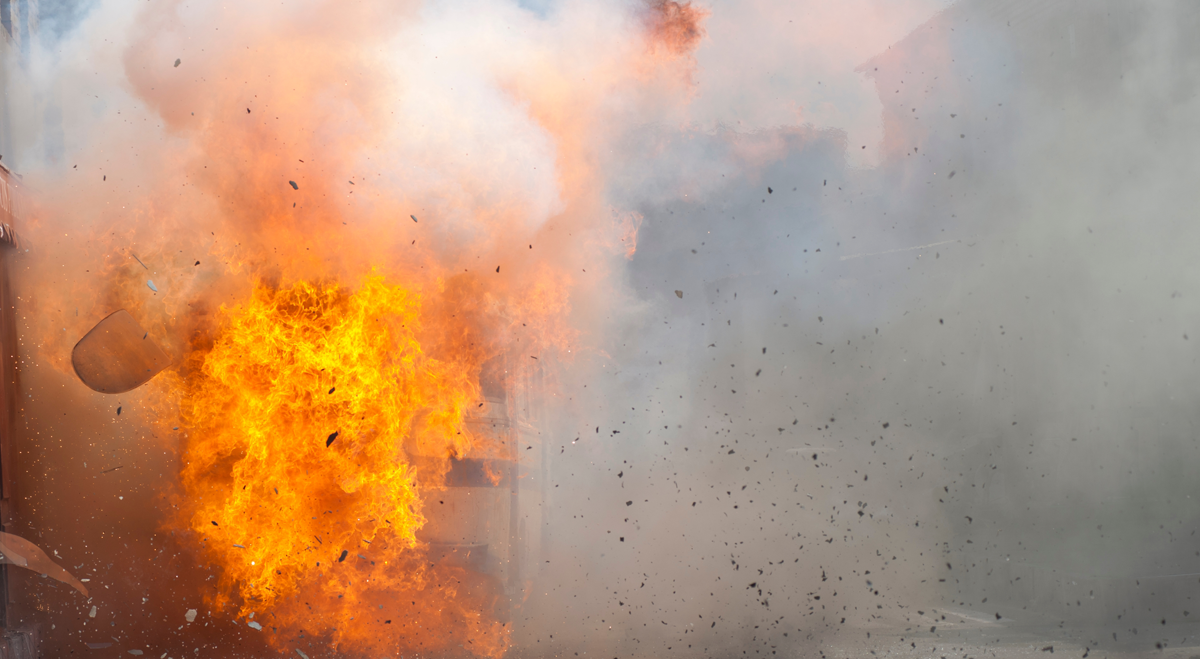
European equities started the week on a cautious footing after renewed military action between the United States and Iran reduced optimism that a diplomatic breakthrough could soon end the conflict that has persisted for more than three months.
By 07:11 GMT, the pan-European Stoxx 600 was down 0.2%. Germany’s DAX and France’s CAC 40 were little changed, while London’s FTSE 100 slipped 0.3%.
Bond Yields Rise on Inflation Concerns
Government bond yields across the Eurozone moved higher as investors assessed the possibility that rising energy costs could reignite inflationary pressures and potentially prompt a monetary policy response from the European Central Bank.
Germany’s two-year government bond yield, often viewed as a key gauge of interest-rate expectations, rose five basis points to 2.585%. The benchmark German 10-year yield increased four basis points to 2.9757%. Bond yields typically move in the opposite direction to prices.
Oil Extends Gains
Energy markets remained in focus, with Brent crude futures advancing 3.1% to $93.96 per barrel.
Although prices have retreated from recent highs above $100 a barrel, they remain significantly elevated compared with levels seen before the outbreak of hostilities, keeping inflation concerns firmly on investors’ radar.
Fresh Military Action Raises Regional Risks
According to reports from the Associated Press, U.S. forces targeted radar installations and drone-control facilities in Iran after Tehran allegedly shot down an American drone over the weekend.
Iran subsequently confirmed it had carried out further retaliatory strikes, while Kuwait reported intercepting incoming drones and missiles, highlighting the risk of a broader regional escalation.
Strait of Hormuz Remains Key Focus
Market participants continue to closely monitor diplomatic efforts aimed at ending the conflict, which began following a joint U.S.-Israeli offensive against Iran in late February.
Particular attention remains focused on the Strait of Hormuz, a critical shipping route off Iran’s southern coastline. Tanker traffic through the waterway has been severely disrupted during the conflict, affecting global supplies of oil and natural gas.
A reopening of the route is widely viewed as a key objective of any future agreement.
Negotiations Continue Despite Ongoing Hostilities
U.S. President Donald Trump has maintained that Iran is seeking a negotiated settlement, while discussions between the two sides continue over several unresolved issues, including Tehran’s nuclear programme.
Investors remain hopeful that diplomacy can ultimately prevail, although the latest military developments underscore the challenges facing any near-term resolution.
Leave a Reply