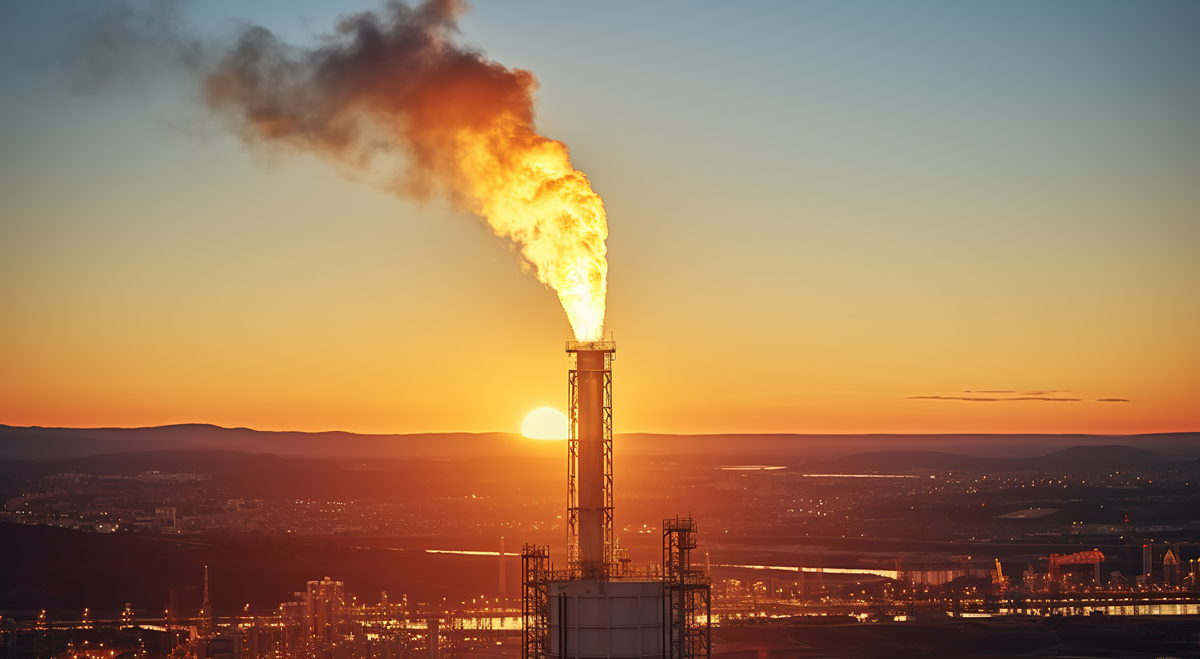
More than 43% of global oil supply originates from countries affected by conflict in 2026, according to Reuters calculations, illustrating the unusually high geopolitical exposure currently facing the energy market.
The situation comes six months after U.S. and Israeli attacks on Iran set off what has developed into the largest recorded oil supply crisis, with uncertainty remaining over how long the disruption will continue.
At the same time, the Russia-Ukraine war has reduced both production and refining activity, with neighbouring Kazakhstan also experiencing cuts during the year.
Persistent instability in Libya and U.S. restrictions on Venezuelan oil exports introduced earlier in 2026 have placed additional pressure on available global supplies.
Around 45 million barrels per day exposed to conflict
Countries affected by these conflicts collectively produced approximately 45 million barrels per day in 2025, according to Reuters calculations based on International Energy Agency data.
That volume represents more than 43% of worldwide supply, highlighting the extent to which current oil production is concentrated in regions facing geopolitical disruption.
The situation has increased the importance of U.S. production to the global market. However, American oil supplies have not been entirely immune from disruption, with severe weather occasionally affecting output.
The overall impact has also been moderated by the fact that the various supply interruptions experienced this year have not all occurred simultaneously.
Gulf oil flows remain under pressure
In the Gulf, producers have taken steps to maintain exports despite the disruption. Saudi Arabia has redirected oil towards the Red Sea, while other exporters have continued moving supplies through the Strait of Hormuz.
Even with those measures, analysts estimate that the current disruption to Gulf oil flows amounts to roughly 5 million to 7 million barrels per day.
The threat to major shipping routes remains significant. Attacks in the Red Sea and close to Egypt’s Suez Canal during July demonstrated how further escalation could affect important corridors for international oil and fuel shipments.
The Gulf and Ukraine conflicts have also had a significant effect downstream, reducing global refining capacity by approximately one-tenth.
Ukraine has repeatedly targeted Russia’s refining infrastructure, including facilities as far away as Omsk, around 2,700 kilometres (1,680 miles) from Ukrainian-held territory.
Refining disruptions tighten fuel markets
Russia is now dealing with fuel shortages at home and has banned gasoline and diesel exports, adding further tightness to international refined-product markets.
Higher fuel prices have increasingly contributed to inflationary pressures, pushing up borrowing costs and helping drive U.S. government debt to a record $40 trillion.
U.S. diesel prices have reached record highs despite domestic refiners operating at maximum capacity.
The International Energy Agency has attempted to soften the impact of the supply crisis through record releases from emergency oil stockpiles.
Most of those releases have now been completed. With global inventories continuing to decline, the market has less of an emergency cushion available if geopolitical disruptions intensify further.
Leave a Reply