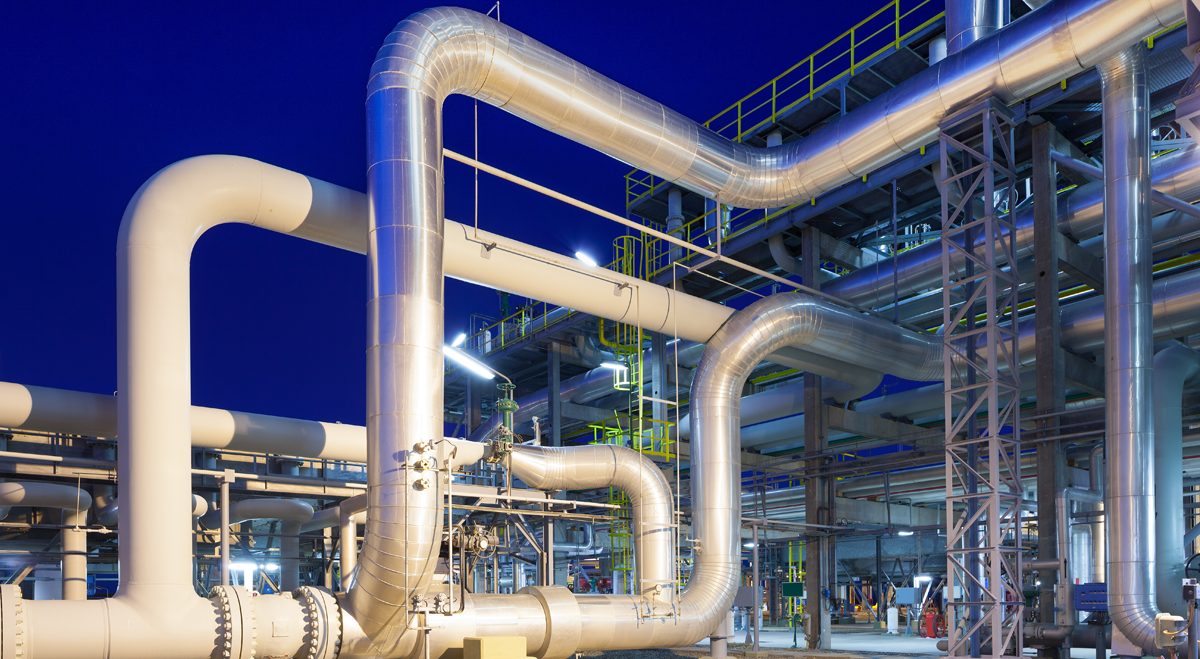
The Permian Basin is entering a multi-year period of natural gas infrastructure expansion that could address longstanding transportation constraints while supporting continued production growth, according to Citi.
Unlike previous investment cycles, the bank believes the latest wave of infrastructure spending is being underpinned by structural demand growth. Expanding U.S. LNG exports and rising power requirements from AI data centers are encouraging companies to commit to new capacity earlier and at greater scale.
Citi expects these trends to eventually make the Permian the largest natural gas-producing basin in the U.S., complementing its existing position as the country’s leading source of crude oil.
Pipeline expansion could improve Waha pricing
Four recently announced infrastructure projects represent an inflection point for the Permian gas market, according to Citi.
Combined with capacity additions already underway and the expected acceleration in U.S. LNG exports, the new projects could help narrow Waha Hub price differentials and improve the economics of oil-focused drilling through 2030.
Permian natural gas production expanded substantially over recent years, rising from 17.2 billion cubic feet per day in 2021 to an estimated 27.6 bcf/d in 2025.
Pipeline capacity did not increase quickly enough to absorb that additional output, contributing to pricing disruptions at Waha during 2024 and 2025. The imbalance became even more pronounced during the first half of 2026.
AI electricity demand adds another source of gas consumption
Growing LNG exports are expected to provide an increasingly important source of demand for U.S. natural gas through the remainder of the decade.
Domestic electricity consumption could also play a larger role. The U.S. Energy Information Administration’s August 2026 Short-Term Energy Outlook forecasts that natural gas consumption by the power sector will reach a record 46.1 bcf/d during summer 2027.
That would be approximately 6% above consumption levels during the summers of both 2025 and 2026.
The trend is particularly significant in Texas. Natural gas-fired generation within ERCOT is projected to increase by roughly 22% between summer 2025 and summer 2027, with data center-related electricity demand accounting for much of the expected growth.
Texas regulators recently paused new interconnection approvals, however, leading the EIA to lower its 2027 projection.
Producers look to secure long-term takeaway capacity
Citi expects exploration and production companies operating in the Permian to take a more active role in securing access to pipeline infrastructure.
Strategies could include taking equity stakes in pipelines and entering long-term agreements that guarantee transportation capacity.
The bank pointed to Devon Energy and Diamondback Energy (NASDAQ:FANG) through Solitude, along with Exxon Mobil’s relationship with Targa Resources, as examples of producers seeking greater control over their gas transportation requirements.
Such arrangements could become increasingly important as associated gas production rises alongside continued oil drilling.
Storage data suggests tighter gas market
Gas-focused exploration and production stocks have risen around 4.4% over the past month, even as forward natural gas strip prices have remained broadly unchanged and prompt-month prices continue to trade at depressed levels.
Citi’s storage model provides another indication that underlying supply-and-demand conditions could be somewhat tighter than headline pricing suggests.
Actual inventory additions have consistently undershot the bank’s forecasts over the past month, with the difference averaging approximately 1.6 bcf/d.
Leave a Reply