Author: Fiona Craig

  • Smiths Group FY2026 Operating Profit Rises 2.7% to £399 Million as Asbestos Liability Disposal Planned

    Smiths Group FY2026 Operating Profit Rises 2.7% to £399 Million as Asbestos Liability Disposal Planned

    Smiths Group (LSE:SMIN) reported headline operating profit of £399 million for the year ended 31 July 2026, exceeding the company-compiled analyst consensus of £388 million, as the industrial engineering group continued to restructure its portfolio.

    Headline operating profit increased 2.7% from £388 million a year earlier, while revenue rose 2.1% to £1.94 billion. Organic revenue growth was 1.2%.

    The company also announced that it had launched a process to divest a legacy US asbestos liability associated with its John Crane business.

    Smiths shares rose more than 5% in early London trading following the announcement.

    Revenue Rises 2.1% to £1.94 Billion

    Smiths Group reported annual revenue of £1.94 billion, representing an increase of 2.1% compared with the previous financial year.

    Organic revenue growth, which excludes the effects of acquisitions, disposals and currency movements, was 1.2%.

    Headline operating profit increased 2.7% to £399 million, ahead of the company-compiled analyst consensus of £388 million.

    The headline operating margin improved to 20.6% from 20.5%, while return on capital employed stood at 23.5%.

    Headline earnings per share rose 6.0% to 86.8 pence.

    On a statutory basis, operating profit declined 16.6% to £289 million, reflecting one-off items associated with the group’s portfolio restructuring.

    The difference between headline and statutory operating profit reflects the impact of these adjustments on the reported results.

    John Crane Records 2.3% Organic Growth

    John Crane, Smiths Group’s industrial engineering business, reported organic revenue growth of 2.3% during FY2026.

    Performance was supported by original equipment sales and activity in the Americas.

    However, the division absorbed an estimated £20 million impact associated with the Middle East conflict.

    The company did not provide further details of the disruption or its potential implications for FY2027 in the supplied announcement.

    John Crane remains a central part of Smiths Group’s industrial engineering operations following the disposal of other businesses.

    Flex-Tek Revenue Declines 0.4% Organically

    Flex-Tek reported a 0.4% decline in organic revenue for the financial year.

    Growth in aerospace was offset by weaker sales in construction and thermal solutions.

    Smiths has been adjusting Flex-Tek’s portfolio through acquisitions and disposals as part of its wider restructuring programme.

    During the year, the company sold three Flex-Tek industrial businesses for £40 million.

    It also acquired DRC HeatTransfer for £165 million, expanding Flex-Tek’s activities into cooling and data centre markets.

    The acquisition forms part of the group’s efforts to develop its remaining industrial engineering businesses.

    Interconnect and Detection Disposals Reach £3.3 Billion

    Smiths Group completed the disposals of its Interconnect and Detection businesses for a combined enterprise value of £3.3 billion.

    The transactions formed part of the company’s strategy to concentrate its operations on industrial engineering.

    The combined disposal value exceeded market expectations, according to the company.

    Smiths also completed the £40 million sale of three Flex-Tek industrial businesses and acquired DRC HeatTransfer for £165 million.

    Chief Executive Roland Carter described FY2026 as a year of significant strategic progress as the company moved towards a more focused industrial engineering portfolio.

    The transactions have changed the composition of the group, with its future financial performance increasingly dependent on its remaining operations.

    Process Launched to Divest US Asbestos Liability

    Smiths Group announced that it had initiated a process to divest a legacy US asbestos liability associated with John Crane.

    The proposed transaction is intended to remove the liability from the group’s balance sheet and reduce earnings volatility.

    The company has not confirmed a buyer, transaction value or completion timetable.

    Any reduction in liabilities and earnings volatility remains conditional on the successful completion of a disposal.

    The announcement represents a further element of Smiths Group’s efforts to simplify its financial and operational structure following its portfolio disposals.

    Net Cash Reaches £1.75 Billion

    Smiths Group ended FY2026 with net cash of £1.75 billion.

    The balance sheet position was strengthened by pension fund transactions during the year.

    The company also progressed its capital return programme, completing £1.5 billion of a planned £3 billion share buyback.

    A further £1.5 billion remains to be returned under the programme.

    The buyback is taking place alongside the group’s restructuring and investment in its remaining businesses.

    Smiths has not specified a completion date for the outstanding share repurchases in the supplied announcement.

    FY2027 Organic Revenue Growth Forecast at Approximately 4%

    Smiths Group expects organic revenue growth of approximately 4% in FY2027.

    The company is also targeting a headline operating margin of around 21% for the financial year.

    The guidance follows FY2026 organic revenue growth of 1.2% and a headline operating margin of 20.6%.

    Smiths reiterated its medium-term targets of 5% to 7% organic revenue growth and a headline operating margin of 21% to 23%.

    These targets reflect management’s expectations for the remaining industrial engineering portfolio following the recent disposals and acquisitions.

    Actual performance will depend on trading conditions, the contribution from the group’s businesses and the execution of its restructuring plans.

    Outlook

    Smiths Group enters FY2027 following the disposal of its Interconnect and Detection businesses, further changes to Flex-Tek’s portfolio and the completion of half of its planned £3 billion share buyback.

    The company expects organic revenue growth of approximately 4% and a headline operating margin of around 21% in the new financial year.

    Management is also pursuing the disposal of John Crane’s legacy US asbestos liability, although the proposed transaction has not yet been completed.

    The group’s medium-term objectives remain organic revenue growth of 5% to 7% and a headline operating margin of 21% to 23%, as it focuses on its remaining industrial engineering operations.
  • MedPal AI: Growth Accelerates as New Health Surges and Fulfilment Capacity Expands

    MedPal AI: Growth Accelerates as New Health Surges and Fulfilment Capacity Expands

    MedPal AI (LSE:MPAL) is moving rapidly from proving demand to building the infrastructure required to support a much larger digital healthcare business, with annualised revenue now exceeding £35 million and New Health continuing to scale at pace.

    In a new ADVFN Watch List interview, Jason Drummond, CEO of MedPal AI, outlined the latest progress across the business, highlighting accelerating customer growth, rising order volumes and a major expansion of the group’s GLP-1 fulfilment capacity.

    The numbers underline just how quickly the business has developed.

    New Health generated £1.8 million of revenue in August, its first full month of marketing, while September is already running more than 35% ahead of August on a daily basis, according to Drummond.

    More than 1.5 million of new orders or order value had already been processed in the first 19 days of September, with more than 12,000 orders recorded during that period.

    The scale of the acceleration is particularly striking when viewed against the original expectations for the New Health launch.

    Drummond said the business had initially prepared for around 300 new orders a day. Instead, MedPal has already reached days where it is dispensing as many as 2,000 orders, representing approximately £300,000 of business in a single day.

    For a business still in the early stages of its commercial rollout, that represents significant operating momentum.

    From zero to more than 25,000 customers

    Customer acquisition is another key part of the story.

    According to Drummond, New Health has grown from zero to more than 25,000 customers since July, with the business focused on combining competitive pricing with clinical support rather than relying on purchased customer acquisition.

    That distinction could become increasingly important as the customer base matures.

    While New Health is still relatively early in its development, Drummond said the business is already seeing customers return for further medication.

    Around 27% of customers are already coming back, he said, despite many having only joined during the second half of August or the beginning of September.

    That creates the potential for repeat orders to build alongside new customer acquisition.

    For a digital healthcare platform, repeat customers can be particularly valuable because the cost of acquiring the original customer does not have to be incurred again for every subsequent order.

    Building capacity for the next stage

    The rapid increase in demand has also created a very different challenge for MedPal: making sure its infrastructure can keep up.

    The company has raised £5 million, predominantly from existing shareholders, with the funding being used in part to expand GLP-1 fulfilment capacity at its Sarus Court facility.

    The scale of the planned upgrade is substantial.

    The more than 20,000 sq ft facility was originally designed to handle approximately 3,000 orders per day. MedPal is now investing just under £1 million into its GLP-1 fulfilment line, taking potential capacity to approximately 14,000 orders per day.

    Drummond expects the expanded facility to be operational by the end of October.

    At maximum capacity, the new line could represent approximately £2 million of order revenue per day, according to management.

    That does not mean MedPal is forecasting revenue at that level. Rather, it illustrates the scale of the infrastructure being put in place to ensure that fulfilment capacity does not become a constraint on future growth.

    Owning the healthcare journey

    Another feature of MedPal’s model is the degree of vertical integration being developed across the business.

    The company operates its own clinic, robotic dispensing, delivery infrastructure and technology platform.

    Drummond argues that automation across the chain can reduce both cost and friction while allowing MedPal to maintain competitive pricing and clinical support.

    That infrastructure is becoming increasingly important as the business moves from an early-stage growth story towards a potentially much larger healthcare platform.

    There is also a significant working-capital component to rapid growth.

    MedPal has to pay for medication before it is delivered, while payments from the NHS and other counterparties arrive later. As volumes increase, the amount of working capital required to bridge that timing difference also increases.

    The latest £5 million raise therefore provides not only investment capital for additional fulfilment capacity, but also additional resources to support the working-capital requirements associated with a rapidly expanding business.

    Growth rather than braking

    Perhaps the clearest message from the interview is that MedPal is now focused on matching infrastructure with demand rather than slowing growth to fit existing capacity.

    Drummond said existing shareholders had effectively encouraged the company to “keep this thing going”, with management now looking to expand the business and capture the demand it is seeing.

    The company is also in discussions with major UK clearing banks regarding facilities to support the working-capital requirements of the expanding operation.

    That is an important development as MedPal moves into its next phase.

    The business has gone from zero to more than £35 million of annualised revenue in just 11 months, according to Drummond, while New Health has rapidly established a growing customer base and significant order volumes.

    With additional fulfilment capacity expected by the end of October, the focus now shifts towards how quickly MedPal can scale the platform while maintaining service levels, customer retention and operational efficiency.

    For investors following the MedPal story, the latest update provides a clear indication of the company’s current priorities: convert accelerating demand into recurring revenue, expand fulfilment capacity and build the infrastructure required to support the next stage of growth.

    With New Health still in the early stages of its rollout and the new GLP-1 fulfilment line set to materially increase capacity, MedPal AI is entering an important phase in its development.

    The challenge is no longer simply demonstrating demand — it is building enough capacity to meet it.

    For more information visit – https://medpal.co/

  • Oxford Biomedica H1 Revenue Reaches £80.2 Million as FY2026 Guidance Maintained

    Oxford Biomedica H1 Revenue Reaches £80.2 Million as FY2026 Guidance Maintained

    Oxford Biomedica (LSE:OXB) reported revenue of £80.2 million for the first half of 2026, representing a 10% increase on a constant-currency basis, supported by demand for its development and manufacturing services.

    The cell and gene therapy contract development and manufacturing organisation (CDMO) secured a record 17 new clients during the period and reported a revenue backlog of approximately £193 million.

    Gross margin declined to 37%, while the company recorded a small operating EBITDA loss. Adjusted EBITDA nevertheless improved compared with the corresponding period last year.

    Oxford Biomedica reiterated its full-year revenue guidance of £180 million to £200 million and confirmed that GMP manufacturing operations at its Durham facility in North Carolina are now operational.

    Revenue Increases 10% on a Constant-Currency Basis

    Oxford Biomedica generated revenue of £80.2 million during the first six months of 2026, an increase of 10% at constant currency.

    Growth was supported by demand for the company’s development and manufacturing services, which are used by customers developing cell and gene therapies.

    The company provides viral vector development and manufacturing services across several technologies, including lentiviral, adeno-associated viral and adenoviral vectors.

    Its services cover multiple stages of development, from early research and clinical programmes through to commercial manufacturing.

    The supplied announcement does not provide the reported-currency revenue growth rate or a breakdown of revenue by service category.

    Record 17 New Clients Secured

    Oxford Biomedica reported 17 new client wins during the first half, a record for the company.

    The additions form part of its strategy to expand and diversify its customer base.

    The company provides outsourced development and manufacturing services to organisations working on cell and gene therapies.

    New client relationships may involve development work, manufacturing services or programmes that progress through different stages of clinical and commercial development.

    The supplied announcement does not disclose the value of the new contracts or specify their expected contribution to revenue.

    Gross Margin Declines to 37%

    Oxford Biomedica reported a gross margin of 37% for the first half of 2026, reflecting a reduction compared with the previous period.

    The company also recorded a small operating EBITDA loss.

    Adjusted EBITDA improved year on year, supported by continued cost discipline.

    The supplied announcement does not provide the precise operating EBITDA loss, adjusted EBITDA figure or comparative gross margin.

    The difference between operating EBITDA and adjusted EBITDA should be considered when assessing the company’s underlying profitability.

    Oxford Biomedica continues to manage its cost base while expanding its manufacturing capacity and customer relationships.

    Durham Manufacturing Facility Begins GMP Operations

    Oxford Biomedica confirmed that good manufacturing practice (GMP) manufacturing operations at its Durham facility in North Carolina are now operational.

    The site expands the company’s manufacturing presence in the United States and complements its existing facilities in the UK, France and Bedford, Massachusetts.

    The additional capacity forms part of Oxford Biomedica’s international manufacturing network.

    The company is developing its global operations to serve customers across different stages of cell and gene therapy development and manufacturing.

    The supplied announcement does not specify the Durham facility’s production capacity or expected revenue contribution.

    Revenue Backlog Reaches Approximately £193 Million

    Oxford Biomedica reported a revenue backlog of approximately £193 million at the end of the first half.

    The company also indicated that a substantial proportion of its expected 2026 revenue is covered by existing contracts.

    The backlog provides visibility over future contracted work, although the timing of revenue recognition will depend on project delivery and contractual arrangements.

    The company has not disclosed the precise percentage of full-year revenue covered by contracts or the expected conversion schedule for the backlog.

    The combination of existing contracted work and new client wins supports management’s decision to maintain its full-year revenue expectations.

    FY2026 Revenue Guidance Maintained at £180 Million to £200 Million

    Oxford Biomedica reiterated its guidance for full-year 2026 revenue of between £180 million and £200 million.

    The company cited its contracted revenue coverage and existing backlog alongside continued demand for development and manufacturing services.

    The guidance remains unchanged following first-half revenue of £80.2 million.

    Oxford Biomedica continues to focus on customer acquisition, delivery of contracted programmes and the expansion of its manufacturing network.

    Actual full-year performance will depend on the timing and execution of customer projects and the recognition of associated revenue.

    Long-Term Revenue Ambition of Approximately £500 Million

    Oxford Biomedica continues to target annual revenue of approximately £500 million by 2030.

    The ambition is supported by its plans to expand its customer base, develop its manufacturing capabilities and increase the scale of its global operations.

    The company operates facilities in the UK, France and the United States, with the Durham site now providing additional GMP manufacturing capacity.

    The £500 million figure is a longer-term management objective rather than a confirmed revenue outcome.

    Progress towards that target will depend on customer demand, contract execution and the company’s ability to expand its services and operations.

    Outlook

    Oxford Biomedica enters the second half of 2026 with revenue of £80.2 million, a backlog of approximately £193 million and a record 17 new client wins during the first half.

    The company has maintained its full-year revenue guidance of £180 million to £200 million, supported by existing contracted work.

    Its priorities include delivering customer programmes, developing its international manufacturing operations and expanding its client base.

    Management continues to pursue its longer-term objective of approximately £500 million in annual revenue by 2030, while maintaining cost discipline following the first-half decline in gross margin.

  • Fonix FY2026 Gross Profit Rises 12.9% to £21 Million as European Expansion Continues

    Fonix FY2026 Gross Profit Rises 12.9% to £21 Million as European Expansion Continues

    Fonix plc (LSE:FNX) reported a 12.9% increase in gross profit to £21.0 million for the financial year ended 30 June 2026, supported by its existing mobile payments business, international expansion and the introduction of new products.

    Adjusted EBITDA rose 11.0% to £16.2 million, while adjusted earnings per share increased 7.1%.

    The mobile payments and messaging provider increased its ordinary dividend to 9.30 pence per share and completed £2.4 million of share buybacks during the year.

    Fonix also reported progress across several European markets, expanded the availability of its PayFlex platform and renewed contracts with major UK and Irish media customers.

    Gross Profit Increases 12.9% to £21 Million

    Fonix reported gross profit of £21.0 million for FY2026, representing growth of 12.9% compared with the previous financial year.

    Adjusted EBITDA increased 11.0% to £16.2 million, while adjusted earnings per share rose 7.1%.

    The results marked a return to double-digit growth in gross profit and adjusted EBITDA.

    The company maintained a strong cash position while continuing to invest in international expansion and product development.

    Fonix operates an asset-light business model, providing mobile payment and messaging services to customers in the media, charity, entertainment and enterprise sectors.

    The supplied announcement does not disclose the company’s total revenue or year-end cash balance.

    Dividend Rises to 9.30 Pence Per Share

    Fonix increased its ordinary dividend to 9.30 pence per share for FY2026.

    The company also completed £2.4 million of share buybacks during the financial year.

    These shareholder distributions accompanied an increase in adjusted EBITDA and adjusted earnings per share.

    Fonix continued to invest in its technology platform and international operations during the period.

    The company has not specified the percentage increase in its ordinary dividend in the supplied announcement.

    Portugal Established as Third Market

    Fonix reported progress in implementing its international expansion strategy during FY2026.

    Portugal is now established as the group’s third market, extending its operations beyond the UK and Ireland.

    The company has also launched services in Switzerland, where it is working with two broadcast customers.

    In France, Fonix has established the staffing and organisational structure needed to support further expansion.

    The group is seeking to apply its existing technology platform across additional European markets rather than developing separate systems for each country.

    Sixth European Market Targeted for FY2027 Launch

    Fonix completed network connectivity in a sixth European market during the financial year.

    The company is targeting a launch in that market towards the end of FY2027.

    The market has not been identified in the supplied announcement.

    Fonix’s international strategy involves expanding the availability of its mobile payments and messaging services through a common platform.

    The company expects its international operations to contribute to future growth, although the timing and scale of revenue generation will depend on customer adoption and commercial activity in each market.

    PayFlex Expands to Major Customers

    Fonix continued the commercial rollout of PayFlex during FY2026.

    The product was introduced to major customers, including its first client outside the UK.

    The expansion represents a further step in making Fonix’s existing services available across its international operations.

    The company has not disclosed the number of PayFlex customers added during the year or the revenue generated by the product.

    Fonix intends to develop its product portfolio alongside its geographic expansion, providing additional services to both existing and new customers.

    CompsPortal Launches With Channel 5

    Fonix launched CompsPortal with Channel 5 during the financial year.

    The product also received a national technology award.

    CompsPortal forms part of the group’s broader offering for media customers, alongside its established mobile payment and messaging services.

    Fonix continues to develop products intended to support audience participation and digital engagement.

    The company has not provided separate revenue or profit figures for CompsPortal in the supplied announcement.

    RichMessaging Trials Progress

    Fonix conducted trials of its RichMessaging products during FY2026.

    The company reported encouraging results and plans to convert the trial activity into recurring customer campaigns.

    RichMessaging is part of Fonix’s wider product development programme, which aims to expand the services available through its technology platform.

    The company has not disclosed the number of trials completed, their financial contribution or the value of potential future campaigns.

    Further commercial progress will depend on customers adopting the service for repeat use.

    Major Media Contracts Renewed and Extended

    Fonix renewed or extended long-term agreements with key media customers in the UK and Ireland during the year.

    These included contracts involving Global’s radio brands and ITV’s flagship programmes.

    The agreements provide continued access to established customers as Fonix develops its international business and introduces additional products.

    The group serves a range of media and charitable organisations, including ITV, Bauer Media, RTÉ, Global, Comic Relief and BBC Children in Need.

    The supplied announcement does not disclose the financial value or specific duration of the renewed contracts.

    Outlook

    Fonix expects further profitable growth in FY2027, supported by its established UK and Irish operations, international expansion and new product launches.

    The company plans to develop its activities in Portugal, Switzerland and France while preparing for the launch of a sixth European market towards the end of the financial year.

    Management also intends to expand the use of PayFlex and CompsPortal and convert RichMessaging trials into repeat campaigns.

    Fonix enters FY2027 following a 12.9% increase in gross profit to £21.0 million and an 11.0% rise in adjusted EBITDA to £16.2 million, alongside an increased ordinary dividend and £2.4 million of share buybacks.

  • Kingfisher H1 Adjusted Pre-Tax Profit Rises 9.9% to £404 Million as Full-Year Guidance Upgraded

    Kingfisher H1 Adjusted Pre-Tax Profit Rises 9.9% to £404 Million as Full-Year Guidance Upgraded

    Kingfisher (LSE:KGF) reported a 9.9% increase in adjusted pre-tax profit to £404 million for the six months ended 31 July 2026, supported by improved gross margins, higher customer transactions and cost control.

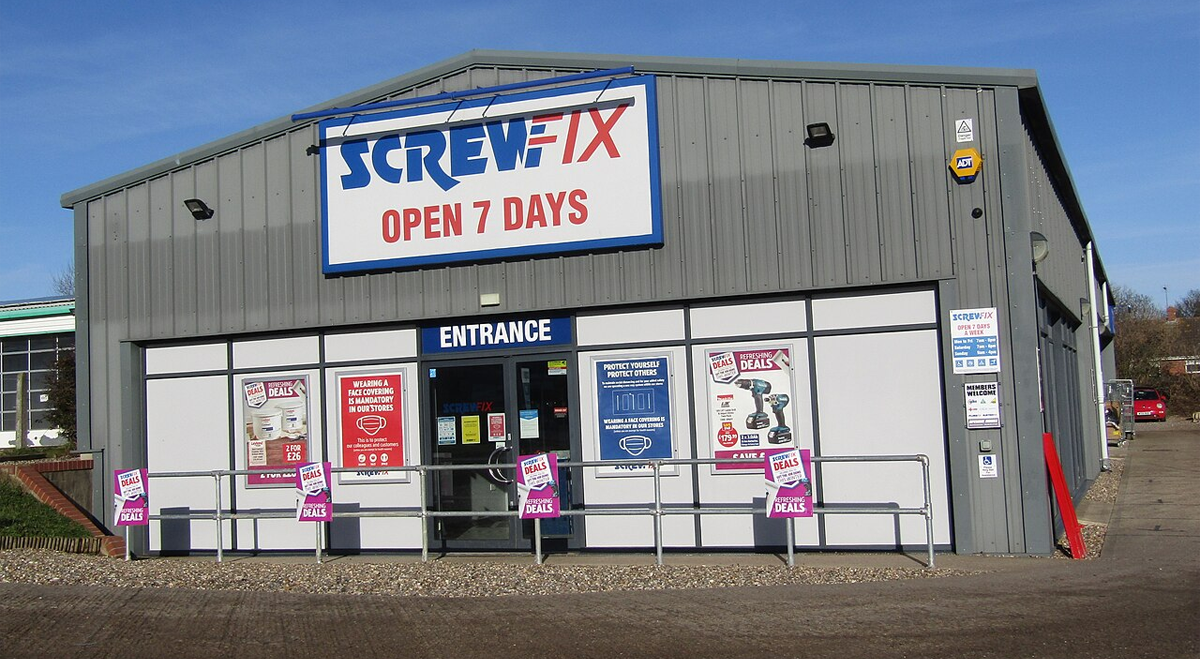
    The home improvement retailer recorded a 1.6% increase in total sales including marketplace activity, while like-for-like sales rose slightly. Screwfix, Poland and Iberia were among the main contributors to growth.

    Gross margin improved by 70 basis points, and adjusted earnings per share increased 16.1%. The company also generated £339 million in free cash flow.

    Following the first-half results, Kingfisher upgraded its full-year guidance for adjusted pre-tax profit and free cash flow, maintained its interim dividend and continued its £300 million share buyback programme.

    Sales Increase 1.6% as Customer Transactions Rise

    Kingfisher reported a 1.6% increase in total sales including marketplace activity during the first half of its financial year.

    Like-for-like sales also increased slightly, supported by higher customer transaction volumes.

    The group identified Screwfix, Poland and Iberia as areas of particular growth during the period.

    Kingfisher operates home improvement retail brands including B&Q, Screwfix, Castorama and Brico Dépôt across the UK, Ireland, France, Poland and Iberia.

    The company continues to serve both trade professionals and DIY customers through its stores, digital platforms and marketplace operations.

    Adjusted Pre-Tax Profit Reaches £404 Million

    Adjusted pre-tax profit increased 9.9% to £404 million for the six-month period.

    Gross margin expanded by 70 basis points, while adjusted earnings per share rose 16.1%.

    The improvement in profitability reflected a combination of sales growth, cost control and a one-off business rates refund.

    Ongoing share buybacks also supported adjusted earnings per share.

    The business rates refund was a non-recurring benefit, meaning its contribution should be distinguished from the performance of the group’s underlying retail operations.

    The supplied announcement does not provide the value of the refund or a profit figure excluding its impact.

    Screwfix, Poland and Iberia Support Growth

    Kingfisher reported growth at Screwfix and across its businesses in Poland and Iberia during the first half.

    The performance contributed to the group’s increase in total sales and helped offset differences in trading conditions across its retail markets.

    Screwfix forms a central part of Kingfisher’s trade-focused operations, while the group also serves professional customers through its other retail brands.

    The company reported market share gains during the period, although the supplied announcement does not provide individual market share figures for each country or business.

    Kingfisher continues to develop its retail operations across its European markets while expanding services for trade customers.

    Trade Sales Penetration Reaches 31%

    Trade sales accounted for 31% of Kingfisher’s sales during the first half, reflecting the group’s continued focus on professional customers.

    The company has been expanding its trade offering across its retail brands, including Screwfix and its other home improvement businesses.

    Kingfisher also reported increased activity through its digital channels.

    Online penetration reached 22%, highlighting the contribution of e-commerce to the group’s overall sales mix.

    The retailer continues to develop its digital operations, marketplace services and retail media activities alongside its physical store network.

    Free Cash Flow Reaches £339 Million

    Kingfisher generated £339 million in free cash flow during the six months ended 31 July 2026.

    The company reported the cash generation alongside its increase in adjusted pre-tax profit and improvement in gross margin.

    Following the interim results, Kingfisher raised its full-year free cash flow guidance.

    The supplied announcement does not specify the revised cash flow target or provide a comparative first-half figure.

    Free cash flow remains relevant to the group’s investment plans and shareholder distributions, including dividends and share buybacks.

    Interim Dividend Maintained at 3.8 Pence

    Kingfisher maintained its interim dividend at 3.8 pence per share.

    The group is also progressing a £300 million share buyback programme.

    Share repurchases contributed to the increase in adjusted earnings per share during the first half, alongside the improvement in profitability.

    The company continues to return capital to shareholders while investing in its retail and digital operations.

    The supplied announcement does not specify how much of the £300 million buyback programme has been completed.

    Full-Year Profit and Cash Flow Guidance Upgraded

    Kingfisher upgraded its full-year expectations for adjusted pre-tax profit and free cash flow following the first-half performance.

    The revised outlook reflects the group’s sales performance, gross margin improvement and cash generation during the period.

    The company reported higher customer transactions, growth in its trade and digital channels, and market share gains across its operations.

    However, the supplied announcement does not include the revised numerical guidance ranges.

    The contribution from the one-off business rates refund should also be considered when assessing the relationship between first-half profitability and the group’s underlying performance.

    Outlook

    Kingfisher enters the second half of its financial year with upgraded guidance for adjusted pre-tax profit and free cash flow.

    The group continues to focus on expanding its trade customer offering, developing its e-commerce and marketplace activities, and managing operating costs.

    Its first-half results included a 1.6% increase in total sales including marketplace activity, adjusted pre-tax profit of £404 million and free cash flow of £339 million.

    Kingfisher has maintained its interim dividend at 3.8 pence per share and is continuing its £300 million share buyback programme.

  • SkinBioTherapeutics Expects FY2026 Revenue to Rise 20.5% to £4.7 Million as CEO and Chair Appointments Confirmed

    SkinBioTherapeutics Expects FY2026 Revenue to Rise 20.5% to £4.7 Million as CEO and Chair Appointments Confirmed

    SkinBioTherapeutics (LSE:SBTX) expects revenue to increase approximately 20.5% to £4.7 million for the financial year ended 30 June 2026, according to a pre-close trading update.

    The AIM-listed skin health and life sciences company anticipates an adjusted EBITDA loss of £1.6 million, while its cash balance declined to £1.5 million following exceptional costs associated with an investigation conducted earlier in the year.

    The company also confirmed the permanent appointments of Rachel Parsonage as chief executive officer and Alyson Levett as chair, following their periods in interim positions.

    Management said early trading in FY2027 was ahead of internal expectations, with the board prioritising revenue growth, operating performance and cash management.

    Revenue Expected to Increase 20.5% to £4.7 Million

    SkinBioTherapeutics expects to report revenue of approximately £4.7 million for FY2026, representing growth of 20.5% compared with the previous financial year.

    The increase was primarily driven by a full-year contribution from Bio-Tech Solutions, alongside modest growth in other parts of the business.

    The group operates across skin health, consumer wellness, contract manufacturing and distribution.

    Its portfolio includes Dermatonics, Bio-Tech Solutions and AxisBiotix, alongside its proprietary SkinBiotix technology.

    The revenue figures remain preliminary ahead of the publication of the company’s full-year results.

    Adjusted EBITDA Loss Expected at £1.6 Million

    SkinBioTherapeutics anticipates an adjusted EBITDA loss of £1.6 million for the financial year.

    The company also reported a reduction in its cash balance to £1.5 million.

    Exceptional costs associated with the investigation conducted earlier in the year amounted to £1.2 million and contributed to the reduction in cash.

    Management stated that the company’s remaining cash reserves were sufficient, although the supplied announcement does not specify a cash runway or provide further details of future funding requirements.

    The board has identified cost control and cash management as priorities for FY2027.

    Rachel Parsonage Confirmed as Chief Executive

    SkinBioTherapeutics confirmed that Rachel Parsonage has been appointed permanent chief executive officer after serving in the role on an interim basis.

    Alyson Levett has also been appointed permanent chair, having previously held the position on an interim basis.

    The appointments follow a forensic investigation earlier in the year.

    The company has not provided details of the investigation’s findings in the supplied update.

    Levett will retain temporary responsibility for the Audit & Risk Committee while the company continues to develop its board structure.

    Board Recruitment and Finance Leadership Update

    SkinBioTherapeutics is continuing discussions regarding the appointment of an additional non-executive director.

    The company described these discussions as being at an advanced stage, although no appointment has been confirmed.

    Anita Breslin is also serving as interim chief financial officer.

    The board changes form part of the company’s ongoing governance arrangements following the earlier investigation.

    The company has not announced a timetable for completing the additional non-executive director appointment or making a permanent chief financial officer appointment.

    Early FY2027 Trading Ahead of Internal Expectations

    SkinBioTherapeutics reported that trading during the early part of FY2027 was ahead of management’s internal expectations.

    The company has not disclosed specific revenue figures or quantified the extent to which trading exceeded its forecasts.

    The board has identified three principal operating priorities for the new financial year: increasing revenue, improving underlying operating performance and controlling costs and cash expenditure.

    These priorities follow a financial year in which revenue increased but the company continued to report an adjusted EBITDA loss.

    Management intends to focus on the performance of its existing businesses while maintaining financial controls.

    Skin Health and Manufacturing Operations

    SkinBioTherapeutics develops products and technologies focused on skin health, including topical creams and oral supplements.

    Its proprietary SkinBiotix technology originated from research at the University of Manchester.

    The group also operates contract manufacturing and distribution activities for skin and healthcare products.

    Its portfolio includes consumer brands and manufacturing businesses serving the beauty, wellness and dermatology markets.

    Bio-Tech Solutions was the principal contributor to the group’s expected revenue growth in FY2026, reflecting its first full-year contribution.

    Outlook

    SkinBioTherapeutics expects to report FY2026 revenue of approximately £4.7 million and an adjusted EBITDA loss of £1.6 million when it publishes its full-year results.

    The company enters FY2027 with £1.5 million in cash and a permanent chief executive and chair, while further board recruitment remains ongoing.

    Management reported that early trading was ahead of internal expectations and has identified revenue growth, operating improvements and cash management as its priorities for the year.

    The company’s financial performance will depend on trading across its existing businesses, operating expenditure and the execution of its stated plans.

  • Mortgage Advice Bureau H1 Revenue Rises 8.6% to £161 Million as Mortgage Completions Reach £16.5 Billion

    Mortgage Advice Bureau H1 Revenue Rises 8.6% to £161 Million as Mortgage Completions Reach £16.5 Billion

    Mortgage Advice Bureau (LSE:MAB1) reported an 8.6% increase in revenue to £161 million for the first half of 2026, supported by higher mortgage completion volumes and refinancing activity.

    Adjusted profit before tax increased 2.1% to £14.8 million, while adjusted earnings per share rose slightly. However, statutory profit declined as administrative expenses increased and operating margins narrowed.

    The UK mortgage intermediary reported a 16% increase in total mortgage completions to £16.5 billion, maintained its share of new mortgage lending and expanded its position in the product transfer market.

    The group also increased its interim dividend but expects only modest profit growth for the full year, citing delayed digital lead generation and changing mortgage market conditions.

    Revenue Increases 8.6% as Adjusted Profit Reaches £14.8 Million

    Mortgage Advice Bureau reported first-half revenue of £161 million, an increase of 8.6% compared with the corresponding period last year.

    Adjusted profit before tax rose 2.1% to £14.8 million, while adjusted earnings per share increased slightly.

    Statutory profit declined during the period, reflecting higher administrative expenses and a reduction in operating margins.

    The company reported increased mortgage activity, particularly in refinancing and product transfers, which helped offset slower conditions in the housing market.

    The supplied announcement does not provide the statutory profit figure or the specific adjusted earnings per share amount.

    Mortgage Completions Increase 16% to £16.5 Billion

    Total mortgage completions rose 16% to £16.5 billion during the first half of 2026.

    Mortgage Advice Bureau maintained an 8.2% share of new UK mortgage lending, while its share of the product transfer market increased to 3.2%.

    The increase in product transfer market share reflects the group’s activity in refinancing, where existing borrowers seek new mortgage arrangements or move to alternative products.

    Refinancing activity contributed to overall completion volumes during a period of slower housing market activity.

    The company continues to provide mortgage and protection advice through its network of more than 2,100 appointed representative advisers.

    Refinancing Activity Offsets Slower Housing Market

    Mortgage Advice Bureau reported a shift in market activity towards refinancing during the first half.

    The group benefited from increased mortgage completions and a larger share of the product transfer market, although conditions in the housing market remained subdued.

    Management identified refinancing as an important contributor to the company’s performance, alongside its existing new mortgage lending business.

    The company expects refinancing volumes to increase further from 2027, although the timing and scale of this activity remain dependent on market conditions.

    Its business model covers mortgage advice, specialist lending, protection and general insurance services.

    Digital Lead Generation Delays Affect Outlook

    Mortgage Advice Bureau reported delays in digital lead flows during the period.

    These delays, together with changing mortgage market conditions, have affected the group’s expectations for full-year profitability.

    The company continues to invest in its technology-driven intermediary platform, which connects customers, advisers, lenders and insurers.

    Management expects operational efficiency improvements to contribute to financial performance from 2027 onwards.

    However, the supplied announcement does not specify the financial impact of delayed digital lead generation or provide quantified efficiency targets.

    Interim Dividend Increased

    Mortgage Advice Bureau increased its interim dividend following the first-half results.

    The dividend increase was announced alongside revenue growth of 8.6% and a 2.1% rise in adjusted profit before tax.

    The company has not disclosed the revised dividend per share in the supplied announcement.

    The increase comes despite a decline in statutory profit and narrower operating margins during the period.

    FY2026 Profit Growth Expected to Be Modest

    Mortgage Advice Bureau expects modest profit growth for the full year, reflecting the current mortgage market environment and delays in digital lead generation.

    The group anticipates that increased refinancing volumes and operational efficiency improvements will support higher performance from 2027 onwards.

    Management continues to focus on developing its intermediary platform, maintaining its position in new mortgage lending and expanding its product transfer activities.

    The company has not provided a specific full-year profit forecast in the supplied announcement.

    Outlook

    Mortgage Advice Bureau enters the second half of 2026 following an increase in mortgage completions and revenue, alongside a smaller rise in adjusted profitability.

    The group expects refinancing activity to remain an important component of its business as housing market conditions continue to affect new mortgage lending.

    Management anticipates modest profit growth for FY2026, with efficiency improvements and higher refinancing volumes expected to contribute to performance from 2027.

    The company’s financial results will continue to reflect mortgage completion volumes, product transfer activity, operating costs and the development of its digital lead generation capabilities.

  • Petro Matad Suspends Mongolian Oil Deliveries Amid PetroChina Sales Agreement Delay

    Petro Matad Suspends Mongolian Oil Deliveries Amid PetroChina Sales Agreement Delay

    Petro Matad (LSE:MATD) has suspended oil deliveries from its Heron-1 and Gazelle-1 wells in Mongolia’s Block XX following an instruction from PetroChina’s local subsidiary, as discussions over the 2026 Oil Sales Agreement remain unresolved.

    The AIM-listed oil exploration and production company said PetroChina’s subsidiary had indicated that it could not process invoices while internal discussions with its head office continued.

    PetroChina also cited temporary import suspensions associated with China’s National Day holiday and storage facilities at its Block XIX operations approaching capacity as reasons for halting deliveries.

    The interruption has left Petro Matad with accumulated crude oil that remains unsold, delaying the receipt of revenue from its 2026 production.

    Heron-1 and Gazelle-1 Oil Deliveries Suspended

    Petro Matad has stopped delivering crude oil from its Heron-1 and Gazelle-1 wells in Block XX following instructions from PetroChina’s local subsidiary.

    According to Petro Matad, the subsidiary said it was unable to process invoices while discussions concerning the 2026 Oil Sales Agreement continued at PetroChina’s head office.

    The company also reported that PetroChina had identified two additional constraints affecting its ability to receive deliveries.

    These included temporary import suspensions during China’s National Day holiday and limited remaining storage capacity at Block XIX.

    As a result, Petro Matad has been instructed to cease deliveries, leaving accumulated crude oil awaiting sale.

    The company has not disclosed the volume of unsold oil or the financial value of the delayed sales in the supplied announcement.

    Oil Sales Agreement Remains Unresolved

    The interruption follows continuing discussions over the terms and implementation of the 2026 Oil Sales Agreement.

    Petro Matad said PetroChina’s local subsidiary had indicated that invoice processing could not proceed until internal discussions with its head office were completed.

    The company has not provided a timetable for concluding the agreement or resuming deliveries.

    The suspension affects Petro Matad’s ability to sell accumulated production and receive revenue from its 2026 oil operations.

    No final resolution has been announced.

    Company Escalates Discussions With Mongolian Authorities

    Petro Matad has raised the matter through regulatory, ministerial and diplomatic channels in Mongolia.

    The company reported that the issue had been escalated to senior government officials, including the Deputy Prime Minister, who has intervened in the discussions.

    Petro Matad is seeking a resolution that would allow oil deliveries and the associated sales arrangements to resume.

    The company has not disclosed any formal agreement resulting from these discussions or confirmed when PetroChina may begin accepting deliveries again.

    Alternative Oil Buyers and Export Routes Under Review

    Alongside its discussions with PetroChina, Petro Matad is exploring alternative buyers and routes to market for its crude oil.

    The company is seeking to reduce its dependence on PetroChina as a sales counterparty.

    The review includes potential alternative arrangements for marketing and delivering production from its Mongolian operations.

    No alternative sales agreement or new delivery arrangement has been confirmed in the supplied announcement.

    The company continues to pursue these options while seeking to resolve the existing sales arrangements with PetroChina.

    Cash Resources Expected to Support Operations Into 2027

    Petro Matad said it is managing expenditure in response to the delay in receiving revenue from its 2026 oil sales.

    Despite the interruption, the company stated that it has sufficient cash resources to continue operating into 2027.

    The supplied announcement does not provide a specific cash balance, expenditure forecast or estimate of the financial impact of the suspended deliveries.

    The company is maintaining financial controls while working to restore oil sales and assess alternative commercial arrangements.

    The duration of the interruption and the timing of future sales receipts remain unresolved.

    Petro Matad’s Mongolian Asset Portfolio

    Petro Matad holds 100% working interests and operatorship in the Matad Block XX and Borzon Block VII production sharing contracts in Mongolia.

    Its Heron-1 and Gazelle-1 wells are located within Block XX, where the current oil delivery interruption is affecting sales arrangements.

    The company also owns a 50% interest in SunSteppe, a joint venture developing utility-scale renewable energy projects in Mongolia.

    Its principal activities include oil exploration, development and production, alongside its investment in renewable energy.

    Outlook

    Petro Matad’s immediate priority is to resolve the outstanding Oil Sales Agreement discussions and restore deliveries from Heron-1 and Gazelle-1.

    The company is continuing its engagement with PetroChina and Mongolian government representatives while investigating alternative buyers and routes to market.

    Management has stated that existing cash resources are sufficient to maintain operations into 2027, despite the delay in receiving oil sales revenue.

    The timing of resumed deliveries, the sale of accumulated crude and the receipt of outstanding revenue will depend on the outcome of the ongoing discussions and the availability of commercial arrangements.

  • Luceco H1 Revenue Rises 13.4% to £142.6 Million as Full-Year Profit Outlook Upgraded

    Luceco H1 Revenue Rises 13.4% to £142.6 Million as Full-Year Profit Outlook Upgraded

    Luceco plc (LSE:LUCE) reported a 13.4% increase in revenue to £142.6 million for the first half of 2026, supported by growth in its Energy Transition business and higher sales across its core operations.

    Adjusted operating profit increased 14.5% to £15.8 million, while the group recorded a modest improvement in operating margins despite higher commodity costs.

    Energy Transition revenue, which includes electric vehicle (EV) charging and demand flexibility products and services, increased 119.5% during the period. Revenue from the core business rose 6.5%.

    Following the interim performance, Luceco upgraded its full-year adjusted operating profit expectations and increased its interim dividend by 16.7%.

    Revenue Increases 13.4% as Adjusted Operating Profit Reaches £15.8 Million

    Luceco reported first-half revenue of £142.6 million, up 13.4% compared with the corresponding period last year.

    Adjusted operating profit rose 14.5% to £15.8 million, with operating margins improving slightly.

    The company said growth across its Energy Transition activities and core business supported the increase in revenue and earnings.

    Higher commodity costs affected the business during the period, although the group recorded a modest improvement in its adjusted operating margin.

    Luceco designs and manufactures electrification products for residential and commercial applications, including wiring accessories, LED lighting, EV chargers and portable power solutions.

    Energy Transition Revenue Increases 119.5%

    Luceco’s Energy Transition business recorded revenue growth of 119.5% during the first half of 2026.

    The division includes EV charging products and demand flexibility solutions, forming part of the group’s wider electrification portfolio.

    The increase in Energy Transition revenue contributed to the group’s overall sales growth and financial performance.

    Revenue from Luceco’s core operations increased 6.5%, providing an additional contribution to the first-half results.

    The company continues to develop its Energy Transition activities alongside its established electrical products business, serving customers through professional, wholesale and retail distribution channels.

    Leverage Falls to 1.5 Times EBITDA

    Luceco reported a reduction in leverage to 1.5 times EBITDA during the period.

    The decrease was achieved despite investment in inventory ahead of an anticipated increase in second-half trading activity.

    The company continues to allocate capital towards organic investment and potential bolt-on acquisitions.

    Management expects the group’s financial position to support these activities while maintaining its existing operations.

    The supplied announcement does not provide specific net debt or cash balance figures.

    Interim Dividend Increases 16.7%

    Luceco increased its interim dividend by 16.7% following the first-half results.

    The dividend increase accompanies the group’s higher revenue and adjusted operating profit during the reporting period.

    The company has not specified the dividend amount per share in the supplied announcement.

    Luceco continues to balance shareholder distributions with investment in its existing operations and potential acquisitions.

    Full-Year Adjusted Operating Profit Guidance Raised

    Following the first-half performance, Luceco upgraded its expectations for full-year adjusted operating profit.

    The revised outlook reflects growth in Energy Transition revenue, higher sales in the core business and management’s expectations for the second half.

    The company has invested in inventory in preparation for anticipated trading activity during the remainder of the year.

    Luceco has not provided a specific revised full-year adjusted operating profit figure in the supplied announcement.

    The group’s outlook remains subject to trading conditions, including commodity costs and demand across its electrification markets.

    Board and Management Appointments

    Luceco appointed Dr Thorsten Müller as its new chief executive officer during the period.

    The company also appointed a new non-executive director as part of changes to its board.

    The appointments come as Luceco continues to expand its Energy Transition activities and implement its investment strategy.

    The supplied announcement does not identify the new non-executive director or provide further details of the management transition.

    Outlook

    Luceco expects its financial performance to benefit from continued activity across its Energy Transition and core businesses during the remainder of 2026.

    The group has upgraded its full-year adjusted operating profit expectations following first-half revenue growth of 13.4% and a 14.5% increase in adjusted operating profit.

    Management anticipates higher trading activity in the second half and has increased inventory in preparation.

    The company’s priorities include developing its EV charging and demand flexibility activities, investing in its existing operations and assessing bolt-on acquisition opportunities.

  • Serabi Gold H1 Revenue Rises to $100.1 Million as Net Profit Reaches $30.1 Million

    Serabi Gold H1 Revenue Rises to $100.1 Million as Net Profit Reaches $30.1 Million

    Serabi Gold (LSE:SRB) reported revenue of $100.1 million for the first half of 2026, supported by increased gold production and a higher realised gold price.

    The Brazil-focused gold producer recorded EBITDA of $44.4 million, an increase of 69%, while profit after tax reached $30.1 million.

    Gold production rose to 23,049 ounces during the six-month period, with sales totalling 21,348 ounces.

    The company ended the period with cash of $65.7 million and no debt, while operating costs increased as production at the Coringa mine continued to ramp up.

    Serabi also secured a 10-year extension of a regional tax incentive in Brazil and continued work on regulatory approvals for Coringa.

    Gold Production Reaches 23,049 Ounces

    Serabi produced 23,049 ounces of gold during the first half of 2026, with sales of 21,348 ounces.

    The company operates the Palito Gold Complex in Pará state, Brazil, and is advancing the Coringa project as part of its production and development activities.

    Revenue increased to $100.1 million, reflecting higher gold output and a substantial increase in the realised selling price.

    The company did not disclose the precise realised gold price or comparative production figures in the supplied announcement.

    Serabi continues to focus on its existing mining districts, combining underground production with development and exploration activities.

    EBITDA Increases 69% to $44.4 Million

    Serabi reported EBITDA of $44.4 million for the six months, representing a 69% increase compared with the corresponding period last year.

    Profit after tax rose to $30.1 million, while revenue reached $100.1 million.

    The increase in earnings was supported by higher gold sales prices and increased production, although operating costs also rose during the period.

    The company ended the first half with $65.7 million in cash and remained debt-free.

    Its cash position provides financial resources for ongoing operations and development activities, including work at Coringa.

    Cash Costs Rise to $2,010 Per Ounce

    Serabi reported cash costs of $2,010 per ounce during the first half of 2026.

    All-in sustaining costs (AISC) reached $2,682 per ounce.

    The increase in operating costs reflected the continuing ramp-up at the Coringa mine and one-off general and administrative expenses.

    The company is progressing Coringa’s development alongside its existing operations at Palito.

    Further changes in production volumes and operating costs will depend on the progress of the ramp-up and the company’s operational activities.

    Brazilian Tax Incentive Extended for 10 Years

    Serabi secured a 10-year extension of a regional tax incentive applicable to its operations in Brazil’s Amazon region.

    The extension maintains an effective corporate tax rate of approximately 15.25% for the Palito operation.

    The incentive provides continued access to the regional tax arrangement over the extended period.

    The company reported the extension alongside its first-half financial results and ongoing development activities.

    Coringa Licensing Remains a Development Priority

    Serabi continued to advance the regulatory licensing process for its Coringa project during the first half.

    The company is seeking the approvals required to support further development and increased throughput at the mine.

    Management anticipates that additional regulatory approvals could allow the project to increase production capacity, although the timing and outcome of the licensing process remain uncertain.

    Coringa’s ramp-up contributed to higher operating costs during the reporting period.

    The project forms part of Serabi’s strategy to expand production within its existing Brazilian mining districts.

    Balance Sheet Ends Period Debt-Free

    Serabi reported cash holdings of $65.7 million at the end of the first half and confirmed that it had no outstanding debt.

    The cash position followed the increase in revenue and earnings during the period.

    The company continues to allocate resources to its existing mining operations, Coringa’s development and exploration within its established districts.

    Its financial performance remains linked to gold production volumes, realised selling prices and operating costs.

    Outlook

    Serabi’s priorities for the remainder of 2026 include progressing the Coringa licensing process, continuing the mine’s operational ramp-up and maintaining production at its existing operations.

    The company expects further development at Coringa to support increased throughput and gold production, subject to the necessary regulatory approvals.

    The 10-year extension of the Amazon regional tax incentive maintains Palito’s effective corporate tax rate at approximately 15.25%.

    Following the first-half results, Serabi reported cash of $65.7 million, no debt and EBITDA of $44.4 million, while higher operating costs remain a factor in its financial performance.