Author: Fiona Craig

  • Prologis Agrees £14.3 Billion Takeover of Segro to Create Global Logistics Property Leader

    Prologis Agrees £14.3 Billion Takeover of Segro to Create Global Logistics Property Leader

    Prologis (NYSE:PLD) has agreed to acquire Segro Plc (LSE:SGRO) in a transaction valued at approximately $18.8 billion, creating the world’s largest logistics real estate company with around $269 billion of assets under management. The deal reflects continued demand for industrial and warehouse properties across key global markets and significantly expands Prologis’ presence in Europe.

    Shareholders Offered Shares or Partial Cash Alternative

    Under the agreed terms, Segro shareholders will receive 0.0920 new Prologis shares for each Segro share they own, valuing the UK logistics property group at 1,031.7 pence per share. This represents a 14.4% premium to Segro’s reported net asset value of 902 pence per share.

    Including Segro’s proposed final dividend for 2026 of up to 22.56 pence per share, the implied value of the transaction increases to 1,054.3 pence per share, equivalent to approximately £14.3 billion.

    Shareholders will also have the option of electing a partial cash alternative, with up to £3.5 billion available in total, representing 25% of the overall consideration. Investors choosing the standard cash option will receive 258 pence in cash together with 0.0690 new Prologis shares for each Segro share held. Should demand for cash exceed the available allocation, payments will be reduced on a pro-rata basis. The cash element will be financed through a committed term loan facility and existing liquidity.

    Deal Significantly Expands European Portfolio

    Following completion, the combined business will own a European operating portfolio spanning approximately 368 million square feet. The acquisition will increase Prologis’ European footprint by 47%, while also adding a 13 million square foot development pipeline and expanding its European land bank by 126%.

    “This deal brings together SEGRO’s exceptional portfolio and customer relationships with Prologis’ global platform, operating expertise and financial strength,” Prologis Chief Executive Daniel S. Letter said.

    Segro Chief Executive David Sleath described the transaction as “a compelling platform,” adding that it would combine Segro’s portfolio and development pipeline with Prologis’ “global scale, customer franchise and operational capabilities.”

    Analysts Highlight Long-Term Benefits

    Jefferies analyst Sarim Chaudhry, who has a “hold” rating and a 1,000 pence price target on Segro, noted that shareholders opting for the standard share consideration would own approximately 8.9% of the enlarged company. They would also remain eligible to receive Segro’s 2026 interim dividend of up to 10.14 pence per share, in addition to the proposed final dividend.

    Prologis said the acquisition is expected to have a broadly neutral to only minimally dilutive effect on Core FFO per share and AFFO per share during the first full year after completion, assuming expected cost synergies are realised. The company also expects to retain its A2/A investment-grade credit ratings from Moody’s and S&P.

    Completion Expected in 2027

    The Segro Board has unanimously recommended that shareholders approve the transaction. The acquisition does not require approval from Prologis shareholders, although the U.S. company intends to obtain a secondary listing on the London Stock Exchange before the deal completes.

    The transaction is expected to close during the first half of 2027, subject to approval from Segro shareholders, court sanction and the necessary regulatory clearances.

  • Filtronic Revenue Falls Short of Expectations as SpaceX Charges and Currency Movements Weigh on Results

    Filtronic Revenue Falls Short of Expectations as SpaceX Charges and Currency Movements Weigh on Results

    Filtronic (LSE:FTC) reported revenue of £55.50 million for the 2026 financial year, slightly below the £56.15 million consensus forecast from four analysts. Revenue also edged lower compared with the previous year, reflecting the impact of accounting charges and adverse currency movements.

    Growth Investment Affects Profitability

    Adjusted EBITDA for the year was £11.30 million, while net profit came in at £4.60 million. Both figures declined from the prior year as the company continued to invest in expanding its engineering capabilities, manufacturing capacity and business development activities. Earnings per share for the year were £0.02.

    A key factor behind the lower revenue was a £2.2 million increase in amortisation charges linked to the SpaceX share warrant agreement. In addition, the weaker U.S. dollar reduced the value of dollar-denominated sales, creating a further £2.0 million year-on-year foreign exchange headwind.

    Operating costs increased by 19% during the year as Filtronic accelerated investment to support future growth. Earnings before interest and tax totalled £4 million, while profit before tax reached £3.80 million.

    Strong Order Book Supports 2027 Outlook

    Filtronic entered the 2027 financial year with an order book covering approximately 90% of its anticipated annual revenue, providing good visibility for the year ahead.

    Management expects trading to be weighted towards the second half of fiscal 2027 as production of its gallium nitride technology increases. Despite the timing of deliveries, the company said it expects full-year results to be in line with current market expectations.

  • FTSE 100 Gains as Hopes for U.S.-Iran Talks Improve Market Sentiment

    FTSE 100 Gains as Hopes for U.S.-Iran Talks Improve Market Sentiment

    UK equities moved higher on Tuesday as investors responded positively to signs of possible diplomatic progress between the United States and Iran, although ongoing disagreements over proposals for a Gaza peace framework continued to cloud the geopolitical backdrop.

    The FTSE 100 rose 0.55% by 07:31 GMT. Elsewhere in Europe, Germany’s DAX gained 0.81%, while France’s CAC 40 advanced 0.43%. Sterling was little changed against the U.S. dollar, edging up 0.02% to $1.3436.

    Middle East Developments Remain in Focus

    Investor sentiment was supported by expectations that diplomatic discussions between Washington and Tehran could ease tensions in the region.

    However, uncertainty remained after Israeli Prime Minister Benjamin Netanyahu publicly distanced himself from U.S. President Donald Trump’s proposed framework for Gaza, insisting that Hamas must be fully disarmed before reconstruction efforts can begin.

    “There are disagreements with President Trump that I don’t hide regarding the recent agreement with Hamas,” Netanyahu said after meeting former U.N. Middle East envoy Nickolay Mladenov, according to Al Jazeera.

    Further confusion emerged after Israeli government spokesman Doron Spielman said the publicly released roadmap “does not reflect Israel’s positions,” despite officials involved in the negotiations stating that Israel had been fully briefed throughout the process.

    The Board of Peace also said that any withdrawal by the Israel Defense Forces beyond the “Yellow Line” in southern Lebanon would only take place after all weapons stockpiles and tunnels had been dismantled, in line with commitments made by Hamas to international mediators.

    Meanwhile, retired U.S. General Jack Keane told Fox News that Pakistan and Qatar were “compromised” mediators in discussions involving Iran, arguing that both countries favoured Tehran over Washington. He also claimed Saudi Arabia had refused U.S. access to its airbases while urging restraint.

    President Trump told reporters at the White House on Monday that the Strait of Hormuz could reopen fully “by tomorrow” if the first phase of discussions with Iran progressed successfully, adding that denuclearisation would form the second phase of negotiations. He also described the suspended military strike as larger than “any attack since World War II.”

    Iran’s Foreign Ministry spokesman Esmail Baghaei rejected reports of negotiations, saying a new maritime arrangement with Oman concerning the Strait of Hormuz was solely intended to improve vessel safety.

    On Truth Social, Trump reiterated that “nothing gets through to Iran unless we want it to, and nothing will get through unless a Deal, or Total Surrender, is accomplished,” adding that Iran would never be allowed to possess a nuclear weapon.

    Commodities

    Brent crude rose 1.4% to $84.94 a barrel, while West Texas Intermediate crude gained 0.61% to $80.83. Gold futures climbed 0.73% to $4,120.20 an ounce, with spot gold adding 0.22% to $4,064.

    UK Corporate Round-Up

    BP (LSE:BP.) reported second-quarter underlying replacement cost profit of $5.73 billion, more than doubling from a year earlier as higher oil and gas prices and stronger refining margins boosted earnings. The company also increased its dividend and continued to reshape its portfolio around its core oil and gas operations.

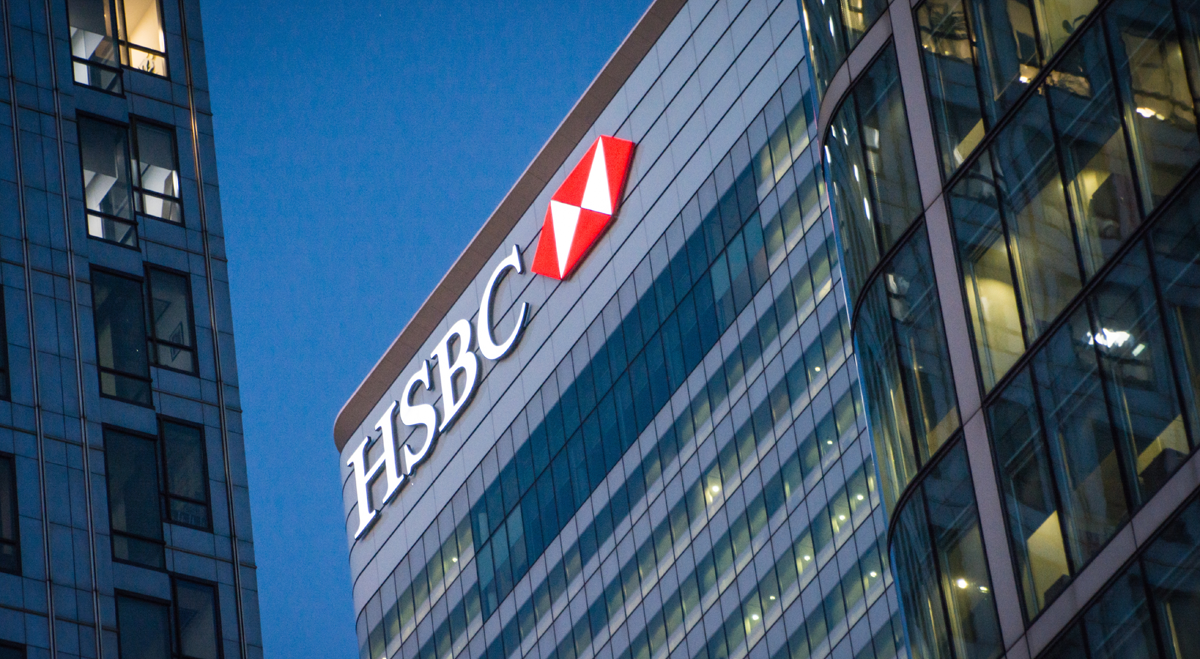
    HSBC (LSE:HSBA) delivered first-half profit ahead of market expectations, supported by higher net interest income and continued growth in wealth management. The bank announced a share buyback of up to $1 billion and maintained its financial guidance.

    Metro Bank (LSE:MTRO) posted a 34% increase in underlying first-half pre-tax profit to £60.6 million, driven by growth in commercial, corporate and specialist lending. Management reaffirmed its medium-term outlook, citing a record lending pipeline and expected support from treasury repricing.

    SIG (LSE:SHI) reported a 31% decline in first-half underlying operating profit as weak construction demand and higher costs continued to weigh on performance. The company warned that market conditions are likely to remain challenging into 2027.

    Travis Perkins (LSE:TPK) increased adjusted first-half operating profit by 6.3%, benefiting from pricing initiatives and cost reductions. Management said its turnaround programme continues to make progress despite subdued construction markets.

    Domino’s Pizza Group (LSE:DOM) recorded a 3.6% increase in first-half underlying EBITDA, supported by strong demand during major sporting events and resilient consumer spending on takeaway food.

    Smith & Nephew (LSE:SN.) lowered its full-year revenue growth forecast after continued weakness in its U.S. orthopaedics business weighed on second-quarter performance, although it maintained its profit and cash flow guidance.

    Segro (LSE:SGRO) agreed to a £14.3 billion takeover by Prologis, creating a logistics property company with a combined market value of around $138 billion following shareholder support for the transaction.

  • BP More Than Doubles Second-Quarter Profit as Oil Prices Strengthen

    BP More Than Doubles Second-Quarter Profit as Oil Prices Strengthen

    BP PLC (LSE:BP.) reported second-quarter earnings that comfortably exceeded market expectations, with higher oil and gas prices driving a sharp increase in profitability. The energy group also confirmed it has begun exploring the potential sale of its Archaea Energy biogas business as it continues to streamline its portfolio and reduce its exposure to renewable energy assets.

    Higher Commodity Prices Lift Earnings

    Adjusted net profit for the three months ended 30 June rose to $5.73 billion, more than doubling from the same period a year earlier and exceeding Bloomberg’s consensus forecast of $5.01 billion.

    The improvement was largely driven by stronger realised prices for oil and natural gas, as supply disruptions in the Middle East supported global energy markets during the quarter.

    BP also reported stronger contributions from its gas and low-carbon businesses, although the company continues to scale back parts of its renewable energy portfolio as it focuses on higher-return operations.

    Shareholder Profit and Dividend Increase

    Profit attributable to shareholders increased to $3.91 billion in the second quarter, compared with $1.63 billion a year earlier.

    The Board declared a second-quarter dividend of 8.66 cents per share, representing a 4% increase from the corresponding period last year.

    Portfolio Simplification Continues

    Chief Executive Meg O’Neill said BP has initiated a process to explore the sale of its U.S.-based Archaea Energy biogas business as part of the company’s ongoing portfolio optimisation strategy.

    The potential disposal follows a series of recent asset sales, including the divestment of the Gelsenkirchen refinery in Germany and BP’s retail business in Austria. The company has also launched a sale process for its North Sea operations as it continues to reshape its portfolio around its core businesses.

  • HSBC Surpasses First-Half Profit Expectations and Launches $1 Billion Share Buyback

    HSBC Surpasses First-Half Profit Expectations and Launches $1 Billion Share Buyback

    HSBC (LSE:HSBA) reported stronger-than-expected first-half earnings after higher net interest income and robust wealth management activity helped lift profitability. The banking group also announced the return of its share buyback programme, authorising the repurchase of up to $1 billion of shares.

    Higher Income Drives Strong Profit Growth

    Pretax profit for the first six months of the year rose 23% to $19.5 billion, compared with $15.8 billion in the same period last year. The result exceeded the consensus forecast of $18.9 billion compiled by HSBC from broker estimates.

    The bank said the improvement was driven by stronger banking net interest income, higher fee and other income, particularly from its Wealth and Wholesale Transaction Banking businesses, as well as a favourable contribution from notable items.

    Revenue increased 16% year-on-year, supported by a one-off gain of $1.3 billion from notable items, which included the impact of costs associated with a $200 million restructuring programme.

    Margins Improve as Costs Decline

    Second-quarter net interest income increased 9% to $9.29 billion, while operating expenses fell 2% compared with the previous year, reflecting lower restructuring costs.

    Net interest margin improved by four basis points to 1.61%, and annualised return on tangible equity (RoTE), excluding notable items, reached 19.1% for the quarter.

    Shareholder Returns and Financial Guidance

    HSBC confirmed it will resume its share buyback programme with a new repurchase plan worth up to $1 billion, marking its first buyback since taking Hong Kong lender Hang Seng Bank private.

    Looking ahead, the bank expects banking net interest income of at least $46 billion during 2026 and continues to forecast operating expense growth of around 1% for the year.

    Management also reaffirmed its target of achieving a return on tangible equity of 17% and said it intends to maintain its CET1 capital ratio within its medium-term target range of 14% to 14.5%.

    CEO Highlights Continued Customer Growth

    Chief Executive Georges Elhedery said the group attracted 640,000 new customers in Hong Kong during the first half of the year despite tighter regulatory measures by Chinese authorities aimed at offshore wealth management.

  • Smith & Nephew Lowers Sales Growth Forecast Following Softer Second Quarter

    Smith & Nephew Lowers Sales Growth Forecast Following Softer Second Quarter

    Smith & Nephew (LSE:SN.) has lowered its full-year revenue growth outlook after reporting a weaker-than-expected second quarter, with lower U.S. knee implant sales and changes to reimbursement for wound care products weighing on performance.

    Despite the softer revenue outlook, the medical technology group maintained its guidance for profit growth and free cash flow, stating that an accelerated efficiency programme has helped offset the impact on earnings.

    First-Half Revenue Increases Despite Mixed Quarterly Performance

    The company generated first-half revenue of $3.10 billion, compared with $2.96 billion in the same period last year, representing underlying growth of 2.3%.

    Second-quarter revenue totalled $1.60 billion, with underlying growth of 1.6%. Reported revenue also benefited from a 120-basis-point foreign exchange tailwind, although management said overall performance was below expectations.

    Within Orthopaedics, U.S. knee implant revenue declined 7.2% during the quarter as customers continued shifting towards cementless products ahead of upcoming product launches, while the company maintained a disciplined approach to its portfolio.

    Advanced Wound Bioactives revenue fell 12.5%, reflecting the impact of revised reimbursement rules for skin substitute products introduced at the beginning of 2026.

    By contrast, Sports Medicine & ENT delivered a strong performance, with second-quarter revenue rising 10% to $527 million from $479 million a year earlier, supported by continued demand for shoulder repair products.

    Profitability Improves on Cost Savings

    Trading profit increased 8.1% to $566 million in the first half, compared with $523 million a year earlier, while the trading profit margin improved by 60 basis points to 18.3%.

    Operating profit rose 4.3% to $448 million, profit before tax increased 5% to $380 million, and adjusted earnings per share climbed 11% to 47.7 cents. Basic earnings per share also increased 6.2% to 35.6 cents.

    The company generated efficiency savings of $130 million during the first half and has increased its full-year cost-saving target to approximately $200 million, with an additional $50 million expected during the second half.

    Smith & Nephew said tariff-related headwinds were broadly offset by refunds, leaving no material impact on trading profit.

    Cash Flow, Investment and Balance Sheet

    Free cash flow totalled $231 million during the first half, reflecting a $51 million increase in capital expenditure. Most of the additional investment relates to the construction of a new manufacturing facility in Melton, United Kingdom, which is scheduled to begin operations in 2027.

    Cash generated from operations increased 6.9% to $605 million, while net debt stood at $3.02 billion. The company’s adjusted leverage ratio remained at a manageable 1.8 times.

    Management Maintains Profit Outlook

    Chief Executive Deepak Nath said U.S. Orthopaedics “is not where we want it to be, but we expect growth to improve as we close product gaps, starting later this year and continuing into 2027.”

    The company now expects underlying revenue growth of around 4% to 6% for the full year, compared with its previous expectation of around 6%. It continues to forecast second-half underlying revenue growth of at least 5%.

    Smith & Nephew left its guidance for full-year trading profit growth unchanged, while continuing to target free cash flow of around $800 million and an adjusted return on invested capital of more than 10%.

    The Board increased the interim dividend by 4% to 15.6 cents per share. In addition, the company said $216 million of its planned $500 million share buyback programme had been completed as of 3 August 2026.

  • Capita Expands Contract Pipeline Despite Profit Impact from Pension Scheme Costs

    Capita Expands Contract Pipeline Despite Profit Impact from Pension Scheme Costs

    Capita (LSE:CPI) continued to make progress on its strategic transformation during the first half of 2026 as it sharpened its focus on becoming an AI-enabled business services provider. The company strengthened its position in core markets through the disposal of its private sector contact centre business, secured around £1 billion of new contracts and increased its sales pipeline to approximately £24.4 billion. It also expanded the use of artificial intelligence across its operations while maintaining strong service performance and enhancing financial flexibility through a larger revolving credit facility and new US private placement financing.

    Adjusted revenue from continuing operations increased 1.6% to £906.4 million, supported by growth in the Public Service and Pension Solutions divisions. However, adjusted operating profit declined significantly as additional costs associated with the Civil Service Pension Scheme contract weighed on earnings.

    Management said its priority remains improving service performance and reducing processing backlogs within the Civil Service Pension Scheme. At the same time, the company plans to accelerate the adoption of AI technologies, capture further efficiency gains following the disposal of the contact centre business and convert its growing sales pipeline into sustainable long-term growth. Capita continues to target positive free cash flow during 2027, excluding the impact of business disposals.

    The company’s investment outlook remains constrained by a history of declining revenue, a return to losses, inconsistent cash flow generation and relatively high leverage resulting from a limited equity base. Technical indicators also remain weak, with the shares continuing to trade in a downward trend. Valuation offers little support while the business remains loss-making and does not currently provide a dividend.

    More about Capita plc

    Capita plc is a UK-based provider of technology-enabled business process outsourcing and professional services to public sector organisations and corporate clients. The company has been reshaping its portfolio to focus on markets with stronger long-term growth prospects, particularly public services, pension administration and digital transformation.

    Its services include public sector administration, pension management, customer support and technology solutions, with increasing use of artificial intelligence to improve efficiency and service quality. Following the disposal of non-core operations, Capita is concentrating on long-term outsourcing contracts and investing in AI capabilities to strengthen productivity and support future growth.

  • ITM Power Achieves Major Green Hydrogen Milestone at Lingen Project

    ITM Power Achieves Major Green Hydrogen Milestone at Lingen Project

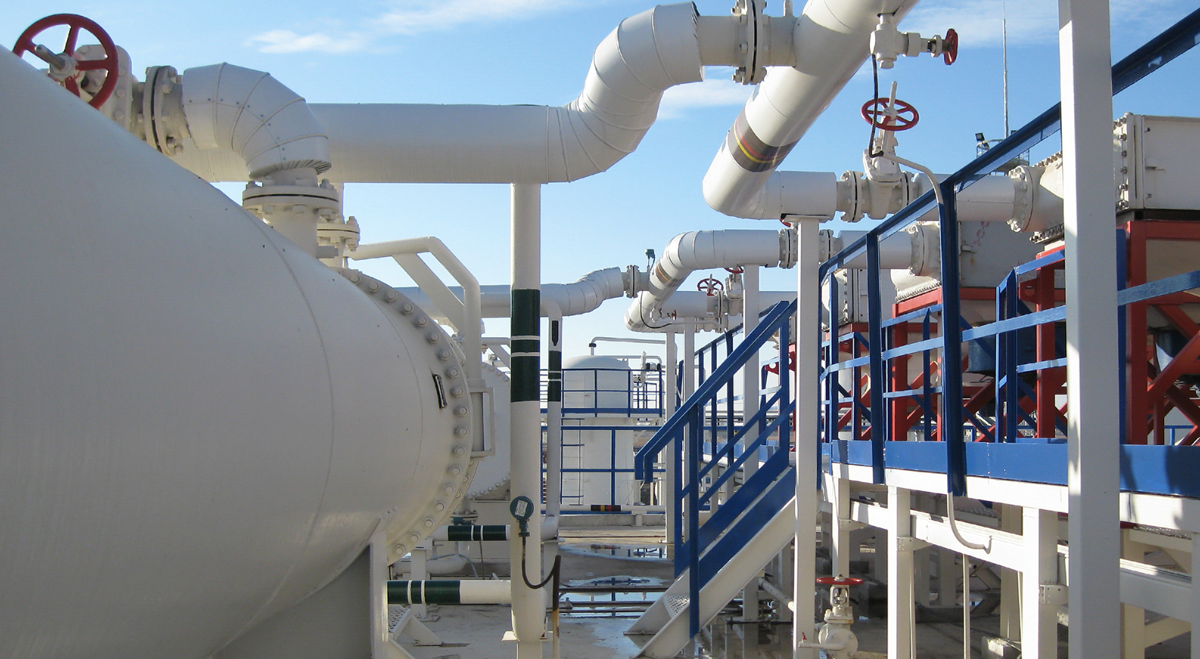
    ITM Power (LSE:ITM) has announced a significant milestone in the GET H2 Nukleus project after the first green hydrogen was produced at RWE’s electrolysis facility in Lingen, Germany, and successfully transported to Evonik’s chemical park in Marl through approximately 120 kilometres of pipeline. The achievement represents one of Europe’s first large-scale hydrogen value chains, combining renewable hydrogen production, pipeline transportation and industrial end use within a single integrated system.

    Working alongside Linde Engineering, ITM Power is supplying two 100 MW proton exchange membrane (PEM) electrolysis plants for the Lingen development. The project is progressing towards a combined operating capacity of 200 MW, marking an important step in the commercial deployment of large-scale green hydrogen production.

    The successful commissioning demonstrates the scalability and reliability of ITM Power’s PEM electrolysis technology while strengthening the company’s position as a leading supplier of hydrogen production equipment for Europe’s expanding clean energy infrastructure. Management believes projects such as Lingen will play an important role in supporting industrial decarbonisation and the wider adoption of green hydrogen across the continent.

    The company’s investment outlook continues to be influenced by ongoing operating losses and negative operating and free cash flow, although its relatively low level of debt provides financial stability. Technical indicators remain supportive, reflecting positive share price momentum, although overbought conditions may increase the risk of short-term volatility. Recent management commentary has been cautiously optimistic regarding future growth opportunities and the quality of the order backlog, although profitability and the timing of future cash generation remain key areas for investors to monitor.

    More about ITM Power

    ITM Power plc is a UK-based manufacturer of industrial-scale electrolysers used to produce green hydrogen through proton exchange membrane (PEM) technology. The company designs and manufactures hydrogen production systems for industrial, energy and infrastructure customers seeking to reduce carbon emissions.

    Listed on the London Stock Exchange’s AIM market and recognised with the Green Economy Mark, ITM Power also offers hydrogen through its Hydropulse build-own-operate model. Its technology supports the transition to low-carbon energy by enabling renewable electricity to be converted into hydrogen for industrial processes, transport and energy storage.

  • Domino’s Pizza Group Reports Strong First-Half Growth and Increases Interim Dividend

    Domino’s Pizza Group Reports Strong First-Half Growth and Increases Interim Dividend

    Domino’s Pizza Group (LSE:DOM) delivered a strong performance during the first half of the year, with system sales increasing 6.1% and group revenue rising 6.7%. Like-for-like sales grew 4.9%, supported by the successful launch of the CHICK ‘N’ DIP chicken range, the Italiano’s pizza collection and increased consumer demand during the FIFA World Cup period. Underlying EBITDA climbed to £66.2 million, while free cash flow increased by almost 75%, enabling the Board to raise the interim dividend while keeping leverage within its target range.

    The company continued to strengthen its market position across the pizza, chicken and wider quick-service restaurant sectors. During the period, Domino’s opened its 1,400th store, maintained average delivery times of less than 25 minutes and brought a new supply chain centre into operation to improve efficiency and support future growth.

    Management highlighted four strategic priorities that are expected to drive continued expansion: growing the chicken category, increasing customer loyalty, expanding sales through third-party delivery platforms and improving supply chain productivity. Positive trading in July, together with hedged input costs, has reinforced confidence in delivering full-year expectations and supporting earnings growth beyond 2026.

    The company’s investment outlook is moderated by pressure on profitability and a highly leveraged balance sheet with persistent negative equity, despite continuing to generate strong cash flow. However, a relatively low price-to-earnings ratio and an attractive dividend yield provide positive support, while technical indicators remain mixed and do not point to a clear short-term trend.

    More about Domino’s Pizza Group

    Domino’s Pizza Group PLC is the master franchise operator for the Domino’s brand across the UK and Ireland, specialising in pizza delivery and takeaway services. The business operates through a network of franchised stores, supported by a centralised supply chain that enables consistent product quality and efficient nationwide distribution.

    Alongside its core pizza offering, the company continues to expand into complementary food categories, including chicken, while investing in digital ordering, customer loyalty programmes and operational efficiency. Its strategy is focused on driving long-term growth through menu innovation, network expansion and enhanced customer experience.

  • A.G. Barr Maintains Full-Year Outlook as Core Brands Continue to Drive Growth

    A.G. Barr Maintains Full-Year Outlook as Core Brands Continue to Drive Growth

    A.G. Barr (LSE:BAG) reported an 8% increase in first-half revenue to approximately £246 million, supported by strong performances from its core brands and contributions from recently acquired businesses. Growth came despite an estimated £10 million impact from internal supply chain disruption and manufacturing constraints involving third-party partners.

    Management said these operational challenges are expected to ease over the remainder of the year and continues to forecast double-digit revenue growth for the full year. The company also expects operating margins to strengthen in the second half, supported by completed business integrations, investment in manufacturing capabilities and continued gains in market share.

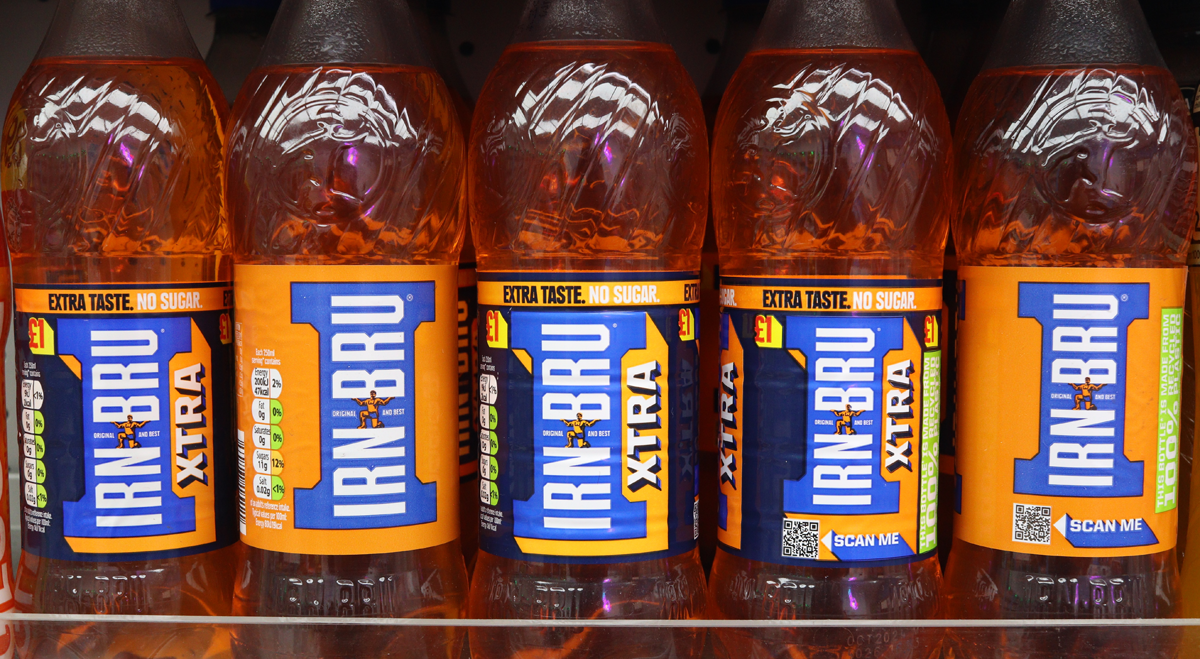
    IRN-BRU, Rubicon and Boost all outperformed the wider UK soft drinks market during the period. IRN-BRU and Rubicon benefited from successful brand refreshes and new product launches, while Boost delivered double-digit growth through expanded grocery distribution and increasing demand for healthier hydration products. Performance was partly offset by softer trading at FUNKIN and Barr Brands, although management said early benefits from integrating Fentimans and Frobishers, together with the transfer of Boost Sports production in-house, are expected to improve efficiency and profitability over time.

    The company’s investment outlook remains supported by consistent revenue growth, healthy profitability and historically low levels of debt. A relatively modest valuation and an attractive dividend also strengthen the investment case. However, recent technical indicators have been less supportive, with the shares trading below longer-term moving averages and a negative MACD signal. Softer recent free cash flow and a higher level of debt during 2026 also temper the overall outlook.

    More about A.G. Barr

    A.G. Barr plc is a UK-based beverage manufacturer with a portfolio of well-known soft drinks brands, including IRN-BRU, Rubicon and Boost. The company supplies products across the UK through major grocery retailers, convenience stores and foodservice channels, while continuing to expand through innovation and strategic acquisitions.

    Recent additions to the portfolio, including Fentimans and Frobishers, have broadened the company’s presence across premium soft drinks and juice categories. Alongside ongoing investment in manufacturing and distribution, A.G. Barr aims to strengthen its position in the UK beverages market through product development, operational efficiency and brand expansion.