Author: Fiona Craig

  • Western critical minerals push risks creating future supply glut

    Western critical minerals push risks creating future supply glut

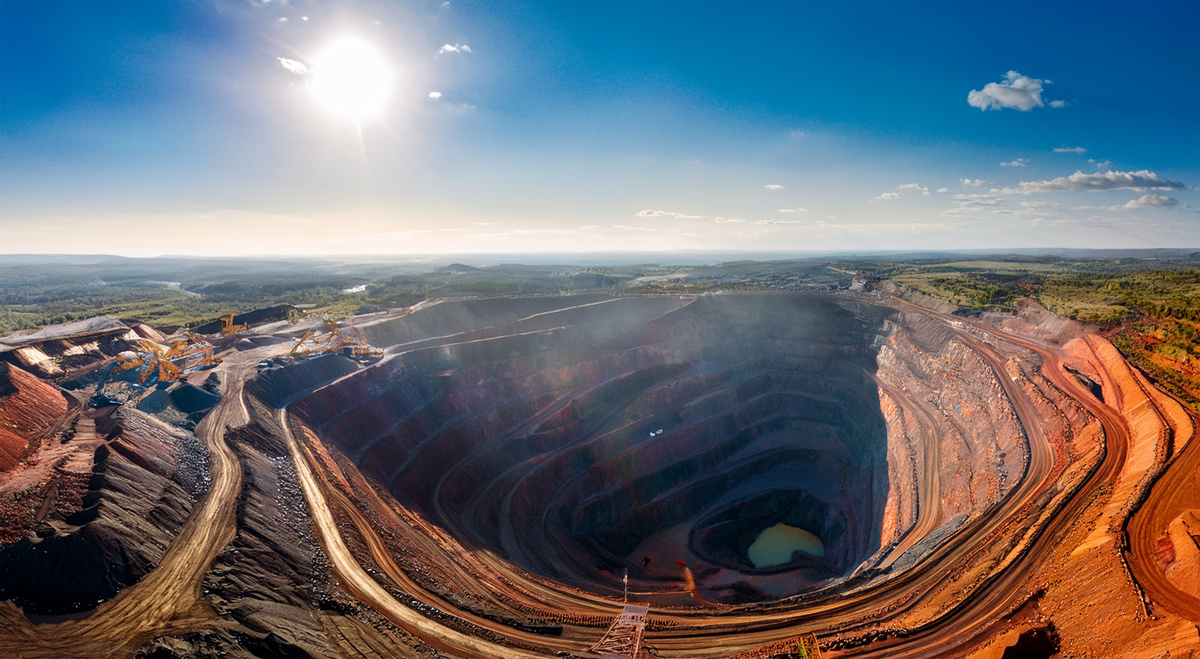
    Western governments pouring billions into critical minerals projects to reduce reliance on China are being warned that uncoordinated intervention could eventually trigger damaging oversupply across global commodity markets, according to executives, analysts and investors cited by Reuters.

    Industry recalls historical commodity oversupply crises

    The U.S., Europe, Australia and Japan have collectively committed substantial funding toward strategic mineral production, stockpiling programs and supply-chain security initiatives. Market observers caution that without coordinated planning, these efforts could recreate historical commodity gluts such as Europe’s “butter mountains,” Russian aluminium surpluses and Australia’s wool oversupply that destabilized markets decades ago.

    “There needs to be some coordination between Western governments as they seek to incentivise new production,” said Brett Beatty of Resource Capital Funds. “The biggest risk is we all do our own thing. We all generate multiples of volumes the world needs and then you just crush everything, because you’ve got an oversupply.”

    Governments commit billions despite relatively small rare earths market

    The United States has directed more than $20 billion toward critical minerals support programs, including around $10 billion for its Project Vault strategic reserve initiative. Australia has separately committed at least A$13 billion across multiple critical minerals programs and reserve projects.

    Despite those commitments, the global rare earths industry remains relatively modest in size. International Energy Agency figures value the rare earths market at roughly $6.4 billion in 2024, even as pledged government support for projects worldwide already exceeds that amount.

    Analysts believe governments still hold tools to balance markets

    Project Blue consultant David Merriman said growing Western investment is likely to push some rare earth elements into surplus over the coming years, although he expects governments to retain the ability to stabilize markets if needed.

    “Government-led stockpiles can stop purchasing, which can have a market-balancing impact and there is only limited capacity supported by price floors or guaranteed purchasing by governments at present,” Merriman said.

    Lynas Rare Earths chief executive Amanda Lacaze said current global stockpile volumes remain limited.

    “I’m pretty alert to how much rare earths are sitting in stockpiles around the world right now and it’s not very much,” she said.

    Australian Resources Minister Madeleine King argued that current investment strategies differ significantly from past commodity support failures.

    “This is about a targeted, project-based investment to make something work, for creating secure supply chains for Australian manufacturing, but also for our neighbours and like-minded partners,” King said.

    Countries attempt tighter coordination on supply chains

    G7 countries are reportedly discussing the creation of a permanent coordination body intended to ensure long-term continuity for critical minerals supply strategies beyond rotating political leadership cycles.

    The report also pointed to intervention models in cobalt and nickel markets.

    The Democratic Republic of Congo has used export quotas and stockpiles to support cobalt prices and government revenue, while Indonesia previously banned nickel ore exports to encourage domestic refining and processing industries.

    Analysts cautioned, however, that extended supply restrictions could encourage industrial consumers to pursue substitute materials or alternative suppliers.

    Processing expansion seen as more sustainable solution

    Some experts believe expanding mineral processing capabilities at existing operations may present a lower-risk approach than aggressively increasing mine production volumes.

    Huw McKay of Australian National University and former chief economist at BHP said Western government support currently resembles seed-stage industrial funding rather than full-scale market intervention.

    Projects already underway include gallium extraction facilities backed by Alcoa and Sojitz Corporation in Western Australia, as well as antimony recovery projects led by Trafigura at Nyrstar’s South Australian smelting operations.

  • U.S.-Iran peace efforts advance, but the toughest negotiations still lie ahead

    U.S.-Iran peace efforts advance, but the toughest negotiations still lie ahead

    Diplomatic breakthrough remains incomplete

    Recent reports suggest that the United States and Iran have moved closer to a formal agreement that could extend the current ceasefire, reopen the Strait of Hormuz and ease some economic restrictions on Tehran.

    While such a framework would mark meaningful progress toward ending a conflict that has disrupted global energy markets, many of the most contentious issues remain unresolved and are expected to require months of additional negotiations.

    Negotiators have agreed a framework, not a final settlement

    Following the ceasefire reached in April, discussions between Washington and Tehran have focused on a broad range of disputes, from Iran’s nuclear program to sanctions relief and regional security concerns.

    Sources familiar with the talks said negotiators have reached a memorandum of understanding that would halt hostilities and provide a 60-day period to pursue a more comprehensive agreement.

    Even so, previous rounds of diplomacy have produced similar optimism without delivering a final breakthrough.

    The proposed arrangement has yet to receive approval from President Donald Trump.

    Vice President JD Vance acknowledged progress on Thursday, saying: “We’re not there, but we’re very close and we’re going to keep working on it”.

    Iran has also indicated that negotiations remain ongoing, with individuals close to the process saying the agreement has not yet been finalized.

    The Strait of Hormuz remains central

    One of the most immediate goals is restoring navigation through the Strait of Hormuz.

    The waterway carries approximately one-fifth of global oil and LNG supplies, making it one of the world’s most strategically important trade routes.

    Although reopening the strait is a priority for Washington, it also represents Tehran’s strongest negotiating asset.

    Even after a deal is reached, clearing shipping bottlenecks and restoring confidence among maritime operators may take considerable time.

    Nuclear negotiations could take years

    The future of Iran’s nuclear activities remains perhaps the most difficult issue facing negotiators.

    The United States argues that Iran’s enrichment activities could eventually support a nuclear weapons program, while Iran maintains that its activities are entirely peaceful.

    Potential compromises have been discussed, including reducing the purity of Iran’s highly enriched uranium stockpiles.

    However, negotiators must still address numerous technical and political questions, including inspection rules, enrichment limits, centrifuge technology and the future of existing nuclear facilities.

    The lengthy negotiations that produced the 2015 nuclear agreement illustrate just how complex these discussions can become.

    Missiles, sanctions and regional conflicts remain unresolved

    Beyond nuclear issues, Washington and Tehran remain divided over Iran’s ballistic missile program.

    The United States wants restrictions on missile capabilities, while Iran insists its conventional military assets are not subject to negotiation.

    Sanctions relief represents another major obstacle.

    Iran wants broad economic relief, access to frozen overseas assets and compensation related to wartime damage. The United States has historically been reluctant to grant such concessions.

    Meanwhile, tensions involving Israel and Hezbollah continue to complicate efforts to achieve a wider regional settlement.

    The road to peace remains uncertain

    A ceasefire extension and preliminary framework would undoubtedly represent an important diplomatic achievement.

    However, the most difficult questions surrounding nuclear policy, regional security, sanctions, missile programs and Israel’s role have yet to be resolved.

    As a result, even if the current negotiations succeed, the process of transforming a temporary truce into a lasting peace agreement is likely to remain lengthy, complex and politically challenging.

  • Could a US-Iran agreement provide the catalyst European equities need?

    Could a US-Iran agreement provide the catalyst European equities need?

    Global stock markets climbed to fresh highs on Friday as investors responded positively to reports suggesting progress toward a potential agreement between the United States and Iran. However, European equities continued to lag behind their U.S. counterparts, remaining confined within a trading range that has persisted for roughly three months, according to a recent equity strategy note from Barclays.

    Data from the bank showed that both the STOXX Europe 600 (SXXP) and the Euro STOXX 50 (SX5E) remained below the highs reached on 27 February, while the S&P 500 was trading approximately 9% above that level.

    A deal could unlock a European market breakout

    Barclays strategists believe that a formal agreement leading to the reopening of the Strait of Hormuz, combined with lower oil prices and easing bond yields, could provide the catalyst needed for European equities to move higher.

    According to the report, such a scenario “could lead to broadening of performance and help EU equities to breakout from their trading range of the past three months.”

    The bank noted that performance differences between sectors that have benefited from the conflict and those that have struggled remain unusually pronounced.

    Since tensions escalated, energy, telecommunications, utilities and insurance stocks have outperformed, while consumer discretionary companies, mining groups and banks have generally lagged behind.

    Consumer and rate-sensitive sectors could rebound

    Barclays argued that the wide valuation gap between winners and losers leaves scope for a sharp recovery in some of the market’s weaker areas if geopolitical tensions continue to ease.

    The bank highlighted sectors such as luxury goods, travel and leisure, automotive manufacturers and retailers as potential beneficiaries of a short-covering rally should investors become more optimistic about the outlook.

    Many of these industries are particularly sensitive to changes in consumer confidence, interest rates and economic growth expectations, all of which could improve if energy prices retreat and inflation concerns moderate.

    Space stocks emerge as a major market theme

    The report also identified space and satellite-related companies as one of the strongest emerging investment themes in Europe.

    Shares of businesses with exposure to aerospace, satellite communications and launch technologies have rallied sharply ahead of a widely anticipated major IPO in the United States.

    Among the companies highlighted by Barclays were Eutelsat (EU:ETL), OHB (TG:OHB), Avio (BIT:AVIO), AAC Clyde Space (USOTC:ACCMF), GomSpace (LSE:0GE8) and Thales (EU:HO).

    Investor enthusiasm has been driven largely by expectations surrounding a potential SpaceX public listing, which could become one of the largest stock market debuts ever recorded.

    Higher oil prices may remain a risk

    Despite the possibility of a relief rally among underperforming sectors, Barclays cautioned that any gains could prove temporary.

    The bank’s macroeconomic team continues to expect oil prices to remain elevated for an extended period, keeping inflation risks in focus and potentially limiting the scope for lower interest rates.

    At the same time, Barclays pointed out that previous energy shocks have often had only a temporary impact on crude markets.

    “Energy shocks in recent decades have not had a lasting impact on oil, with prices falling sharply once the dust settled and excess supply increasing over time,” Barclays said, noting that current market positioning does not appear to fully reflect this historical pattern.

    Fund flows reveal mixed investor sentiment

    Investor flows also suggest a more cautious tone beneath the surface.

    Global equity funds attracted net inflows of just $2.4 billion during the week, ending a streak of eight consecutive weeks of strong inflows. In contrast, fixed-income funds drew $30.5 billion.

    Since the start of the year, bond funds have attracted $331.2 billion, while equity funds have gathered $361.0 billion, narrowing the gap between the two asset classes.

    Within equities, Europe recorded net outflows of $2.3 billion both for the latest week and on a year-to-date basis.

    Funds focused on Europe excluding the UK experienced a seventh consecutive week of withdrawals, losing $2.2 billion in the most recent reporting period.

    Barclays also observed a continuing divergence in investor behaviour, with U.S.-domiciled funds reducing exposure to European stocks while European-based investors have continued buying U.S. equities for nine consecutive weeks.

    Markets await key U.S. economic data

    At the sector level, technology was the only global sector to record net inflows during the week.

    Industrials and materials experienced the largest withdrawals, while within Europe every sector saw outflows except healthcare. Financials and energy stocks recorded the weakest investor demand.

    Looking ahead, markets will closely monitor several important U.S. economic releases next week.

    According to Bloomberg consensus estimates cited by Barclays, the ISM Manufacturing Index for May is expected to come in at 53.2 on 1 June, compared with a previous reading of 52.7.

    Investors will also focus on U.S. non-farm payrolls data due on 5 June, where economists expect job growth of 95,000 compared with 115,000 in the prior report.

    The outcome of these releases, together with developments surrounding a potential US-Iran agreement, could play a significant role in shaping market sentiment as investors assess the outlook for growth, inflation and interest rates.

  • AI Revolution Could Reshape the CPU Industry, Wolfe Research Says

    AI Revolution Could Reshape the CPU Industry, Wolfe Research Says

    Processor market expected to expand significantly

    Wolfe Research believes the rapid adoption of artificial intelligence technologies will create a major growth cycle for the processor industry, forecasting that the global CPU opportunity will expand by roughly 30% through 2028.

    The firm argues that access to advanced manufacturing capacity, particularly at TSMC, may prove more important than pure product performance in determining winners and losers across the sector.

    Orchestration computing emerges as a major growth theme

    One of the strongest opportunities identified by Wolfe is the emergence of orchestration CPUs, which are expected to become increasingly important as AI infrastructure evolves.

    The firm expects demand to accelerate sharply by 2028 as Nvidia’s Rubin Ultra architecture pushes CPU-to-GPU deployment ratios toward parity.

    Despite this opportunity, Wolfe believes the segment will remain largely controlled by companies that already dominate GPU and accelerator markets.

    ARM expected to capture growing influence

    Wolfe also sees substantial momentum behind ARM-based processors within agentic AI workloads.

    Thanks to advantages in energy efficiency and parallel processing performance, ARM architectures are projected to secure between 50% and 75% of the agentic CPU market.

    If ARM captures half of that segment, its share of the broader CPU industry could rise from approximately 15% today to 45% by 2028.

    AMD positioned for outsized gains

    Among leading semiconductor companies, Wolfe views Advanced Micro Devices (NASDAQ:AMD) as the standout beneficiary of the AI-driven CPU expansion.

    Server CPU revenue is projected to increase from $17 billion in 2026 to $44 billion by 2028, creating a significant earnings opportunity.

    The firm estimates AMD’s earnings power could reach between $25 and $30 per share by 2028.

    Intel faces a more challenging path

    Intel (NASDAQ:INTC) is expected to benefit from broader industry growth, but Wolfe believes the company will continue to lose market share across multiple categories.

    Competitive pressure from internally developed processors such as Google’s Axion, combined with growing adoption of ARM-based alternatives, is expected to weigh on Intel’s position.

    Nevertheless, the firm still projects Intel’s server CPU revenue to nearly double by 2028.

    Nvidia remains the dominant force

    Nvidia (NASDAQ:NVDA) is expected to remain the largest player in the market, with CPU shipments surpassing four million units this year.

    Agentic CPU revenue alone could climb from $6.6 billion in 2026 to nearly $25 billion by 2028.

    However, Wolfe notes that CPUs will represent only a relatively small contributor to Nvidia’s earnings compared with its dominant accelerator business.

    Arm Holdings gains from several trends

    Arm Holdings (NASDAQ:ARM) could benefit from multiple sources of growth, including royalties from datacenter processors, increasing adoption of ARM-based AI systems and revenue from future proprietary chip initiatives.

    Wolfe estimates that these opportunities could support earnings power of approximately $4.50 per share by 2028.

    AI demand supports the broader semiconductor ecosystem

    The anticipated expansion of AI computing is expected to benefit not only chip designers but also semiconductor manufacturing equipment suppliers.

    Wolfe forecasts roughly 20% growth in wafer demand over the next two years, although GPUs and AI accelerators are still expected to account for the majority of advanced manufacturing requirements.

    Overall, the firm sees artificial intelligence as a powerful catalyst that could reshape the competitive landscape of the CPU industry over the remainder of the decade.

  • Gold Pullback Tests Investor Conviction as Key Support Levels Hold

    Gold Pullback Tests Investor Conviction as Key Support Levels Hold

    Technical Picture Suggests a Crucial Moment for Gold

    After a period of weakness, gold is approaching a potentially decisive point, with several important technical indicators converging near current price levels.

    According to Yardeni Research, the metal is now sitting on a strong foundation of support, creating conditions that could offer an attractive buying opportunity for investors who remain focused on the longer-term outlook rather than short-term market volatility.

    Geopolitical Swings Continue to Drive Price Action

    Gold enjoyed a strong rally earlier this year, reaching a high on January 29 before coming under pressure as conflict in the Middle East intensified toward the end of March.

    A temporary ceasefire helped fuel a rebound through mid-April, but renewed uncertainty has since pushed prices lower once again.

    The latest decline has brought gold back toward a cluster of significant technical markers, including its March 26 low, its 200-day moving average and a rising trendline that has guided the market higher for more than a year.

    Yardeni Research believes the concentration of support is noteworthy, stating that “that’s quite a bit of support, which should hold, in our opinion.”

    Longer-Term Bullish Thesis Remains Unchanged

    Despite recent volatility, Yardeni argues that the broader trend remains constructive.

    The correction has effectively returned gold to the upward-sloping channel that has defined its price action since late 2023, suggesting the longer-term bullish structure remains intact.

    The firm continues to forecast that gold will reach $5,500 by the end of this year and climb to $10,000 by the end of the decade.

    In Yardeni’s view, “the rally in gold should resume once the war is over.”

    Macro Headwinds Continue to Challenge the Market

    Although the long-term outlook remains positive, several factors could continue to limit gains in the near future.

    A stronger U.S. dollar, rising bond yields and ongoing sales from central banks are all acting as obstacles for the precious metal.

    Yardeni also cautioned that monetary policy remains an important variable, warning that the Federal Reserve “is likely to turn more hawkish during the summer.”

    Should policymakers maintain a restrictive stance for longer than expected, gold could struggle to generate meaningful upside momentum in the short term.

    Strategic Portfolio Demand Could Support Prices

    The firm’s optimistic outlook is tied to a broader view of global financial markets.

    Yardeni continues to project significant long-term gains for U.S. equities, including a scenario in which the S&P 500 reaches 10,000 before the decade concludes.

    As portfolios grow alongside rising equity values, investors may increasingly seek diversification through alternative assets, with gold positioned as a natural beneficiary of that trend.

    Investors Face a Key Decision Point

    Gold’s current position reflects the balance between short-term uncertainty and long-term optimism.

    On one side are concerns surrounding interest rates, inflation expectations and geopolitical developments. On the other is a technical setup that many market participants view as unusually supportive.

    Whether the current pullback proves to be a buying opportunity or the start of a deeper correction will depend on how prices react around these support levels.

    For now, Yardeni Research remains confident that the broader bull market remains intact and that recent weakness may ultimately prove temporary within a much larger upward trend.

  • Tesla and SpaceX: Could Musk’s Empire Be Heading Toward a Historic Combination?

    Tesla and SpaceX: Could Musk’s Empire Be Heading Toward a Historic Combination?

    Tesla (NASDAQ:TSLA) has rebounded strongly from its recent lows, climbing more than 30% since April and returning to levels that many investors doubted it could revisit so quickly.

    While excitement around full self-driving technology, robotaxis and Optimus remains central to the Tesla story, another narrative is beginning to dominate conversations among analysts and investors: the possibility that Tesla and SpaceX (NASDAQ:SPCX) could eventually become a single company.

    A Merger Theory Gains Momentum

    Speculation surrounding a potential combination has intensified in recent weeks, fueled by reports that Elon Musk has discussed the idea with individuals close to both organizations.

    The timing is particularly notable because SpaceX is widely expected to pursue a public listing that could become the largest IPO ever seen. A subsequent merger with Tesla would create a company of unprecedented scale, combining two of the world’s most valuable technology brands.

    Wedbush analyst Dan Ives recently argued that such a transaction is increasingly likely, assigning an 80% to 90% probability that it could happen before 2027. He believes Musk’s long-term strategy revolves around building a fully integrated artificial intelligence ecosystem, with Tesla and SpaceX serving as complementary pillars.

    Evidence Extends Beyond Market Rumors

    Supporters of the merger thesis point to Musk’s history of gradually connecting his companies through investments, partnerships and shared resources.

    Tesla’s investment in xAI earlier this year, followed by SpaceX’s acquisition of the AI company, strengthened links across Musk’s corporate network. Combined with the previous integration of X into the ecosystem, the transactions suggest a deliberate effort to align strategic assets.

    The companies are also collaborating on infrastructure projects, including the Terafab semiconductor facility that will support future technology development across multiple Musk-led ventures.

    For many observers, these developments look less like isolated decisions and more like pieces of a broader long-term plan.

    The Strategic Logic Is Easy to See

    A merged Tesla-SpaceX organization would combine some of the world’s most advanced capabilities in transportation, manufacturing, satellite communications, energy systems, artificial intelligence and space exploration.

    Tesla would contribute its expertise in electric vehicles, batteries, robotics and large-scale production. SpaceX would bring launch services, Starlink’s global satellite network and access to advanced AI technologies.

    The resulting company could become one of the most diversified and technologically sophisticated enterprises ever created.

    Dan Ives has referred to this vision as the “holy grail” of Musk’s broader ambitions, highlighting the enormous strategic potential of bringing the businesses together.

    Why Skeptics Remain Cautious

    Despite the excitement, there are numerous reasons for caution.

    Questions remain about SpaceX’s valuation, while regulatory, legal and shareholder hurdles could complicate any attempt to combine two companies of this size.

    Prediction markets currently assign only modest odds to such a transaction occurring within the next year, suggesting that many investors remain unconvinced.

    There is also the practical challenge of integrating two highly complex organizations while preserving growth and execution across both businesses.

    An Idea That Refuses to Go Away

    Whether a merger ever happens remains unknown. However, the growing overlap between Tesla and SpaceX has ensured that the discussion is no longer confined to speculation on social media.

    As Musk continues to build connections across his corporate empire, Wall Street is increasingly treating the possibility as a legitimate strategic scenario rather than an impossible dream.

    For now, investors are left watching closely as the relationship between two of the world’s most ambitious companies continues to evolve.

  • SpaceX, OpenAI and Anthropic Are About to Test the Limits of the AI Bull Market

    SpaceX, OpenAI and Anthropic Are About to Test the Limits of the AI Bull Market

    The second half of 2026 could become one of the most consequential periods in modern market history.

    Within days of each other, SpaceX (NASDAQ:SPCX) and OpenAI moved closer to public listings, while Anthropic is reportedly evaluating a debut of its own. If all three proceed, public investors could be asked to absorb nearly $3 trillion of new market value in an exceptionally short period.

    This isn’t simply an IPO boom. It’s a large-scale test of whether investors are still willing to pay premium prices for transformative stories that promise enormous future potential but often remain years away from mature profitability.

    SpaceX Is Preparing for the Biggest IPO Ever

    SpaceX has progressed beyond speculation and into execution.

    The company has publicly filed for its IPO and is targeting a launch schedule that could see shares begin trading as early as mid-June under the SPCX ticker.

    The proposed transaction would dwarf previous IPO records, potentially raising up to $80 billion while valuing the company at roughly $1.75 trillion or more.

    At that level, SpaceX would immediately join the ranks of the world’s most valuable publicly traded companies.

    Why Investors Are Willing to Pay Up

    Unlike many high-growth businesses, SpaceX already operates multiple proven commercial franchises.

    Starlink has become one of the most successful satellite communications businesses ever built, while the company’s launch operations continue to dominate the global space industry.

    Revenue growth has been substantial, and profitability is beginning to emerge in key segments.

    Still, investors are being asked to price in not only today’s business but also future opportunities spanning artificial intelligence, advanced communications and long-term space exploration.

    OpenAI Faces a Different Challenge

    OpenAI’s path to the public markets rests on a different narrative.

    The company has built one of the most recognizable technology brands in the world through ChatGPT and its expanding enterprise platform.

    Revenue growth has been extraordinary, but so has spending.

    OpenAI remains heavily dependent on large-scale investment in computing infrastructure, and profitability remains a distant objective.

    The company is effectively asking investors to finance what may be the most capital-intensive software expansion strategy ever attempted.

    The Bigger Question Facing Markets

    The arrival of SpaceX, OpenAI and potentially Anthropic raises a broader issue.

    Can markets continue supporting trillion-dollar growth narratives at a time when valuations are already elevated and economic uncertainty remains present?

    The answer will shape not only the future of these companies but also the trajectory of the broader AI investment cycle.

    Risks Extend Beyond Individual Companies

    The most immediate concern is liquidity.

    Mega-listings of this scale have the potential to redirect capital away from smaller growth companies and emerging IPO candidates.

    There are also valuation risks. Successful debuts could push technology multiples even higher, while disappointing performance could trigger a broader reassessment of AI-related investments.

    Index inclusion presents another challenge, potentially exposing millions of passive investors to companies that remain volatile and difficult to value.

    The Market’s Verdict Is Approaching

    Despite the risks, these offerings represent genuine innovation rather than speculative concepts alone.

    SpaceX and OpenAI have built businesses with real customers, meaningful revenues and significant technological influence.

    The coming IPO wave will therefore serve as something larger than a fundraising exercise. It will be a public verdict on whether investors still believe the AI revolution can justify the extraordinary valuations attached to its biggest players.

    If demand remains strong, the boom could continue.

    If confidence begins to crack, these offerings may become remembered as the moment when optimism finally encountered its limits.

  • Oil set for biggest weekly drop in months as diplomacy eases supply concerns

    Oil set for biggest weekly drop in months as diplomacy eases supply concerns

    Crude retreats as traders focus on U.S.-Iran negotiations

    Oil prices slipped on Friday and remained on track for substantial weekly losses as investors increasingly priced in the possibility of a diplomatic breakthrough between the United States and Iran.

    Brent crude fell 1.2% to $92.55 per barrel, while U.S. WTI crude dropped 2.0% to $87.11 per barrel during early trading.

    If current levels hold, both benchmarks are expected to record weekly declines of roughly 10%, their steepest losses since the beginning of April.

    Draft agreement boosts market confidence

    Recent reports suggest that U.S. and Iranian officials have reached a preliminary framework that would extend a ceasefire by 60 days while discussions continue on nuclear issues and regional stability.

    The proposal still awaits approval from President Donald Trump, but markets have already begun reacting to the prospect of reduced geopolitical tensions.

    Investors view the potential agreement as a step toward restoring more normal shipping conditions through the Strait of Hormuz and reducing the risk of near-term supply disruptions.

    Supply risks remain despite improving sentiment

    Although diplomatic progress has improved sentiment, shipping traffic through the Strait of Hormuz remains far below pre-conflict levels.

    That continued disruption has prevented risk premiums from disappearing entirely from the oil market.

    According to ING analysts, “The market has increasingly priced in a resolution this week. Therefore, any confirmation of a deal that reopens the strait means that significant further downside is likely limited, particularly during the early stages of a ceasefire.”

    They added that “The market is more vulnerable now than it was pre-war, given the significant inventory drawdowns we have seen over the last 3 months.”

    Headlines continue to drive sharp market swings

    Recent trading has been characterized by elevated volatility as investors react to changing developments surrounding the ceasefire process.

    Prices briefly moved higher on Thursday after reports of renewed military activity involving U.S. and Iranian forces, but the rally quickly faded as attention returned to diplomatic efforts.

    Inflation and growth concerns remain in focus

    Beyond geopolitical developments, markets continue to monitor economic indicators that could influence energy demand.

    Recent U.S. inflation data showed stronger-than-expected price growth, reinforcing expectations that the Federal Reserve may delay any shift toward lower interest rates.

    At the same time, revised GDP figures pointed to softer economic growth during the first quarter, raising concerns that slower activity could eventually weigh on fuel consumption.

    Attention turns to next developments

    With oil prices under pressure and market sentiment closely tied to diplomatic headlines, investors are waiting for confirmation on whether the proposed ceasefire extension will move forward.

    Until then, crude markets are likely to remain highly sensitive to developments in both the Middle East and the broader global economy.

  • Wall Street set for gains as investors monitor potential U.S.-Iran breakthrough: Dow Jones, S&P, Nasdaq, Futures

    Wall Street set for gains as investors monitor potential U.S.-Iran breakthrough: Dow Jones, S&P, Nasdaq, Futures

    U.S. equity futures traded modestly higher ahead of Friday’s opening bell, indicating that Wall Street could build on the gains recorded in the previous session as markets continue to assess reports of progress in negotiations between the United States and Iran.

    Improving expectations that diplomatic efforts could reduce tensions in the Middle East have boosted investor confidence, while falling oil prices have added further support to risk assets.

    Oil prices retreat amid ceasefire extension reports

    Energy markets moved lower after reports suggested that Washington and Tehran had reached a preliminary framework to extend their current ceasefire arrangement by an additional 60 days.

    U.S. crude futures fell 1.4% following the news, which indicated that the proposed agreement could lead to the reopening of the Strait of Hormuz and revive discussions surrounding Iran’s nuclear programme.

    However, investors remain cautious as the reported framework still requires approval from President Donald Trump before it can move forward.

    Dell earnings spark enthusiasm in technology sector

    Technology stocks looked set to provide a positive catalyst after Dell Technologies (NYSE:DELL) surged more than 30% in pre-market trading.

    The computer manufacturer exceeded analysts’ expectations with its fiscal first-quarter results and simultaneously increased its outlook for the remainder of the year.

    The strong performance reinforced confidence in the technology sector, which has continued to play a central role in driving broader market gains.

    Markets await confirmation before taking bigger risks

    Despite the constructive tone, traders appeared hesitant to fully embrace risk until there is greater clarity regarding the reported agreement between the United States and Iran.

    “Overall, markets are heading into the weekend in a good position as risk appetite has improved as geopolitical fears ease and inflation data avoids a major upside surprise,” said Daniela Hathorn, Senior Market Analyst at Capital.com.

    “However, positioning remains optimistic, valuations are elevated and much of the recent rally still relies on assumptions that tensions continue to de-escalate and earnings remain resilient,” she added. “That means investors are likely to remain highly sensitive to both geopolitical headlines and incoming inflation data in the weeks ahead.”

    Thursday rally sends major indices to new records

    Thursday’s session began on a weak note before stocks staged a powerful recovery later in the day.

    The turnaround pushed all three major benchmarks into positive territory, with technology stocks once again leading the advance.

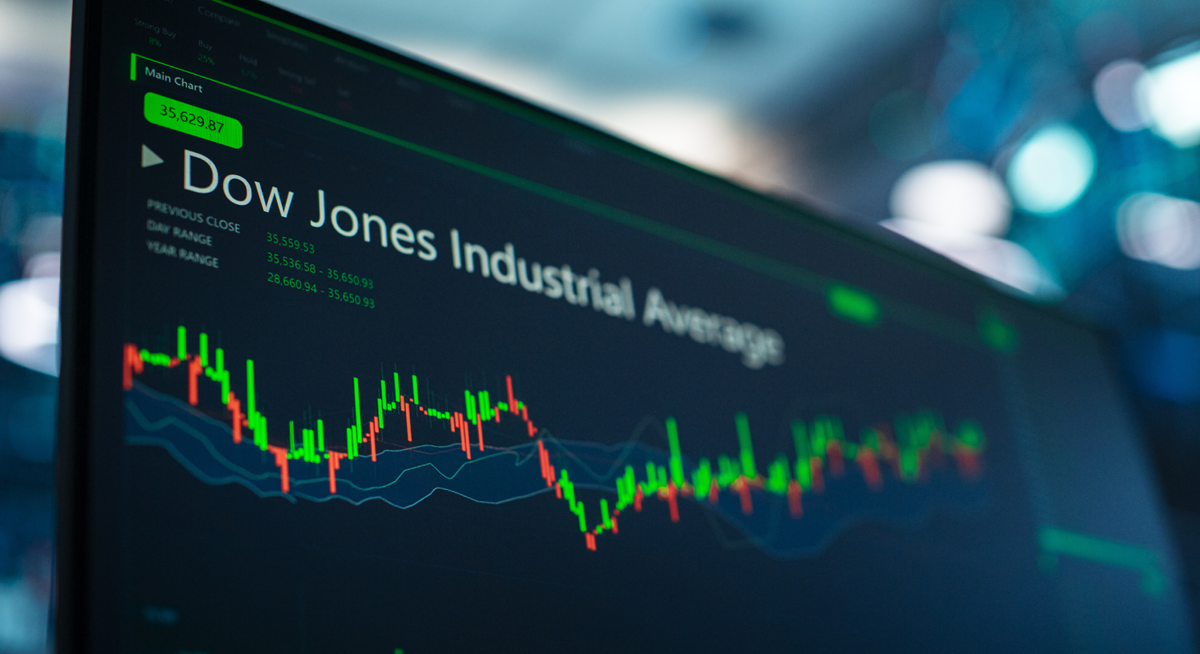
    The Nasdaq gained 242.74 points, or 0.9%, to finish at a record 26,917.47. The S&P 500 rose 43.27 points, or 0.6%, to 7,563.63, while the Dow Jones Industrial Average added 24.69 points, or 0.1%, ending at 50,668.97.

    Axios report fuels market optimism

    The shift in sentiment followed a report from Axios claiming that U.S. and Iranian negotiators had agreed on the outline of a 60-day memorandum of understanding.

    According to Axios, which cited two U.S. officials and a regional source familiar with the mediation efforts, the proposal would extend the ceasefire while opening formal negotiations over Iran’s nuclear programme.

    The report noted that President Donald Trump has yet to approve the proposal, with one U.S. official indicating that the president wanted additional time to evaluate the arrangement.

    Oil volatility highlights fragile geopolitical backdrop

    After the Axios report emerged, crude prices retreated from earlier highs, although U.S. oil futures still finished the session modestly higher after surging by as much as 4.3% during trading.

    Earlier gains in oil had been driven by reports that the United States launched another round of what it called “self-defense strikes” against targets in southern Iran, prompting Tehran to reportedly target a U.S. air base in response.

    “Investors are still broadly positioned for a de-escalation scenario in the Middle East, but recent headlines are a reminder that the path toward any agreement remains fragile,” said Daniela Hathorn, Senior Market Analyst at Capital.com.

    Softer inflation data provides additional support

    Economic data released on Thursday also helped improve sentiment after inflation figures came in slightly below expectations.

    The Commerce Department reported that its Personal Consumption Expenditures (PCE) Price Index increased 0.4% in April, following a 0.7% rise in March. Economists had forecast a 0.5% increase.

    On an annual basis, headline PCE inflation accelerated to 3.8% from 3.5%, matching market expectations.

    The core PCE index, which excludes food and energy prices, rose 0.2% in April after increasing 0.3% in March. Economists had expected another 0.3% gain.

    Annual core inflation edged up to 3.3% from 3.2%, in line with consensus forecasts.

    Technology and biotech sectors lead the market higher

    Technology shares were among the strongest performers of the day, helping propel the Nasdaq to another record close.

    The Dow Jones U.S. Software Index advanced 3.4%, while the NYSE Arca Computer Hardware Index climbed 2.9%.

    Biotechnology stocks also posted impressive gains, with the NYSE Arca Biotechnology Index rising 2.6%.

    Additional strength was seen across gold-related, pharmaceutical and healthcare stocks, while oil services and utility companies lagged behind as investors rotated into higher-growth areas of the market.

  • European markets move higher as easing geopolitical tensions lift sentiment: DAX, CAC, FTSE100

    European markets move higher as easing geopolitical tensions lift sentiment: DAX, CAC, FTSE100

    European equities traded in positive territory on Friday, supported by improving investor sentiment after reports suggested the United States and Iran had reached a preliminary agreement to prolong their ceasefire. Meanwhile, the U.S. dollar was on track for a modest weekly decline, while oil prices fell to their lowest levels in a month.

    According to reports, the proposed arrangement would extend the ceasefire by 60 days, subject to final approval from U.S. President Donald Trump.

    Under the framework being discussed, Iran would be prevented from charging fees on vessels passing through the Strait of Hormuz, while the United States would gradually ease restrictions affecting Iranian ports and maritime trade.

    Major European indices post gains

    The prospect of reduced geopolitical risk helped support equity markets across the region.

    France’s CAC 40 advanced 0.6%, outperforming its European peers. The U.K.’s FTSE 100 gained 0.2%, while Germany’s DAX added 0.1% as investors responded positively to signs of progress in diplomatic negotiations.

    The decline in oil prices also contributed to the more constructive market tone, easing concerns about energy-related inflation pressures.

    Pernod Ricard remains under pressure in India

    Shares of Pernod Ricard (EU:RI) were little changed during the session after the company suffered a setback in one of its key international markets.

    An Indian court rejected a request from the French spirits producer seeking authorization to resume sales of its products in New Delhi, limiting the company’s access to a strategically important consumer market.

    Renault gains after emissions targets receive approval

    Automaker Renault (EU:RNO) was among the stronger performers after receiving validation for its updated emissions reduction roadmap.

    The Science Based Targets Initiative approved the company’s revised short- and long-term climate objectives, replacing targets originally established in 2019.

    The endorsement was viewed positively by investors as Renault continues to align its operations with increasingly demanding environmental standards and sustainability goals.

    CTS Eventim jumps on strong quarterly growth

    German ticketing and live entertainment group CTS Eventim (TG:EVD) posted one of the strongest gains of the day after reporting robust first-quarter results.

    The company announced that revenue increased by 23% year-on-year during the quarter, reflecting continued strength in demand for live events and ticketing services.

    The performance reinforced confidence in the company’s growth outlook and highlighted the resilience of the entertainment sector despite broader economic uncertainty.