Author: Fiona Craig

  • Markets Watch: Trump Signals 15% Global Tariffs, Waller Speech Ahead, Oil Prices Pull Back: Dow Jones, S&P, Nasdaq, Wall Street Futures

    Markets Watch: Trump Signals 15% Global Tariffs, Waller Speech Ahead, Oil Prices Pull Back: Dow Jones, S&P, Nasdaq, Wall Street Futures

    U.S. stock futures moved modestly lower on Monday as investors continued to assess the implications of the Supreme Court’s decision to overturn President Donald Trump’s emergency tariff measures. In response, Trump announced plans for temporary global tariffs of 15%, adding fresh uncertainty to the outlook for international trade and financial markets.

    Futures point to softer open

    Equity futures suggested a weaker start to trading as markets digested the administration’s latest tariff response following last week’s court ruling.

    As of 03:08 ET, Dow Jones futures were down 224 points, or 0.5%, S&P 500 futures had fallen 40 points, or 0.6%, and Nasdaq 100 futures declined 185 points, or 0.7%.

    Wall Street’s major indices had closed the previous week higher after the Supreme Court ruled that the administration’s use of a 1977 emergency powers law did not authorize sweeping tariffs. Even so, uncertainty remains over the broader consequences of the decision, including whether companies affected by the duties may be entitled to refunds.

    ING analysts said, “Friday’s Supreme Court ruling sent a strong signal about the limits of presidential power.”

    They added that the ruling is unlikely to deter Trump’s broader trade agenda, leaving markets unsure about the next steps.

    “Uncertainty is back,” they noted.

    Trump proposes temporary global tariffs

    Trump, who described the ruling as a “disgrace,” moved quickly to invoke provisions of the 1974 Trade Act to introduce global tariffs of 15% for up to 150 days, aimed at addressing what he called “international payment problems.”

    An earlier White House statement had suggested tariffs would initially be set at 10%, but the rate was raised over the weekend.

    Congress — whose constitutional authority over trade played a central role in the court’s decision — could extend the so-called Section 122 tariffs for an additional 150 days. Analysts at ING noted that Trump could also allow the tariffs to expire, declare a new emergency, and restart the process, potentially creating a “de facto perpetual tariff instrument.”

    Meanwhile, U.S. Customs and Border Protection said it will stop collecting tariffs invalidated by the ruling starting at 12:01 a.m. EST (05:01 GMT) on Tuesday, though it has not clarified whether importers will receive refunds.

    Trading partners seek answers

    Major U.S. trading partners are now evaluating how the ruling may affect recently negotiated trade agreements.

    The European Commission called on Washington to respect a 2025 agreement and requested “full clarity” on future tariff policy. In a statement, it warned the current environment is “not conducive to delivering ‘fair, balanced, and mutually beneficial’” transatlantic trade and investment, adding, “A deal is a deal.”

    China said it is conducting a “full assessment” of the decision and urged the United States to abandon “unilateral tariff measures.”

    “Cooperation between China and the United States is beneficial to both sides, but fighting is harmful,” China’s Commerce Ministry said.

    Waller remarks in focus

    Investors will also be watching comments from Federal Reserve Governor Christopher Waller, who is scheduled to speak in Washington about the economic outlook.

    Waller was among the policymakers who dissented from the Fed’s January decision to keep interest rates unchanged at 3.5%–3.75%, arguing that borrowing costs should be reduced amid concerns about potential weakening in the labor market.

    Markets continue to expect rate cuts later this year, though timing remains uncertain. Any remarks from Waller on inflation, employment trends, or the economic impact of tariffs could draw close attention.

    Oil prices retreat

    Oil prices fell sharply, giving back part of last week’s rally as investors weighed renewed trade uncertainty alongside the prospect of further U.S.–Iran nuclear negotiations.

    Brent crude futures dropped 1.3% to $70.39 per barrel, while U.S. West Texas Intermediate crude fell 1.4% to $65.55 per barrel.

    Both benchmarks had gained nearly 6% last week amid concerns about a possible U.S.–Iran conflict and an unexpected decline in U.S. crude inventories.

    A third round of nuclear talks between Washington and Tehran is expected Thursday in Geneva, raising hopes that a diplomatic breakthrough could reduce the risk of disruptions to global oil supplies. Iran remains a key producer within OPEC and holds some of the world’s largest proven crude reserves.

  • European Stocks Edge Lower as Trade Uncertainty Dampens Risk Appetite: DAX, CAC, FTSE100

    European Stocks Edge Lower as Trade Uncertainty Dampens Risk Appetite: DAX, CAC, FTSE100

    European equity markets moved modestly lower on Monday as renewed uncertainty surrounding U.S. trade tariffs weakened investor risk appetite at the start of the week.

    At 08:02 GMT, Germany’s DAX fell 0.6%, France’s CAC 40 declined 0.2% and the UK’s FTSE 100 slipped 0.1%.

    Tariff uncertainty weighs on sentiment

    Global markets, including Europe’s main indices, had rallied late last week after the U.S. Supreme Court struck down most of the tariffs introduced by President Donald Trump last year, ruling that the emergency legislation used did not grant authority to impose them.

    Over the weekend, however, Trump announced new global tariffs under a different legal framework, initially proposing a 10% levy before raising it to 15%. The measures could remain in place for up to five months while the administration works toward a longer-term solution.

    The perception that trade policy decisions are shifting rapidly has unsettled investors.

    “If it shakes the whole equilibrium which people in trade have got used to…it is going to bring about disruptions,” European Central Bank President Christine Lagarde said Sunday on CBS’s “Face the Nation”. “You want to know the rules of the road before you get in the car. It’s the same with trade. It’s the same with investment.”

    Confidence indicators remain supportive

    Despite the cautious start to the week, European sentiment had been improving recently, helping lift the pan-European STOXX 600 index to a record high last week. Stronger-than-expected corporate earnings and economic indicators pointing toward gradual regional recovery supported the advance.

    Figures released Friday showed eurozone business activity expanded faster than expected this month, with manufacturing returning to growth for the first time since October.

    “It might be premature, but this could be the turning point for the manufacturing sector as the headline PMI increased to growth territory,” said Cyrus de la Rubia, chief economist at Hamburg Commercial Bank.

    Germany’s Ifo business climate survey, due later Monday, is expected to show a further improvement in confidence within Europe’s largest economy.

    Earnings focus turns to Nvidia and European corporates

    Investors are also preparing for a busy earnings week. European companies set to report include HSBC (LSE:HSBA), Deutsche Telekom (TG:DTE), Iberdrola (BIT:1IBE) and Schneider Electric (EU:SU). However, the most closely watched release will come from U.S. chipmaker Nvidia (NASDAQ:NVDA), scheduled to publish results on Wednesday.

    Among company updates, PostNL (EU:PNL) reduced its annual dividend by 43% and warned that free cash flow could turn negative again in 2026 after reporting a €25 million free cash flow loss for the year, compared with a €12 million surplus previously, despite a 2.2% rise in revenue to €3.32 billion.

    Meanwhile, Barcelona-based dermatology specialist Almirall (USOTC:LBTSF) said sales of its eczema biologic Ebglyss tripled during its second year in the European market, helping push annual revenue beyond €1 billion for the first time.

    Separately, Rolls-Royce (LSE:RR.) is reportedly seeking UK government financial backing for the £3 billion development of a new aircraft engine as it looks to re-enter the short-haul aviation market, according to a Financial Times report published Monday.

    Oil prices retreat ahead of nuclear talks

    Oil prices declined sharply on Monday, reversing part of last week’s gains as markets assessed the prospect of renewed U.S.-Iran nuclear negotiations alongside ongoing trade uncertainty.

    Brent crude futures fell 1.3% to $70.39 per barrel, while U.S. West Texas Intermediate futures dropped 1.4% to $65.55 per barrel.

    Both benchmarks had climbed nearly 6% last week amid concerns over a potential U.S.-Iran confrontation and an unexpected drawdown in U.S. crude inventories.

    A third round of nuclear talks between the United States and Iran is expected to take place Thursday in Geneva, raising hopes of a diplomatic outcome that could ease concerns about disruptions to Middle Eastern oil supplies.

    Iran remains a key producer within the Organization of the Petroleum Exporting Countries (OPEC) and holds some of the world’s largest proven crude oil reserves.

  • JD Sports Shares Rise After Launch of £200m Share Buyback Programme

    JD Sports Shares Rise After Launch of £200m Share Buyback Programme

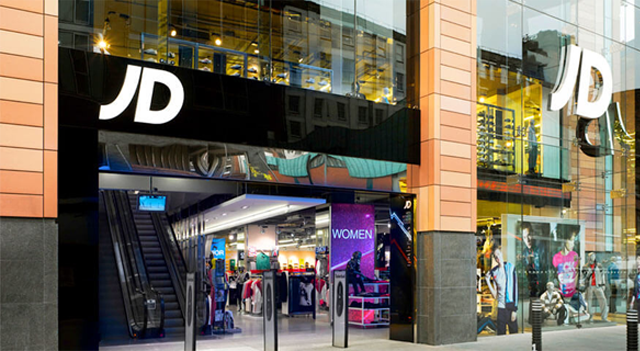
    JD Sports Fashion PLC (LSE:JD.) shares climbed 6.2% on Monday after the retailer unveiled a new £200 million share buyback programme for fiscal year 2027, reinforcing its commitment to returning cash to shareholders.

    The company said the programme will begin immediately, with an initial tranche of up to £100 million scheduled for completion by 31 July 2026. A second tranche, also worth up to £100 million, will follow thereafter as part of JD Sports’ broader capital allocation strategy.

    JD Sports has appointed Merrill Lynch International to manage the first tranche, with BofA Securities executing share purchases on the London Stock Exchange as riskless principal. Trading decisions will be made independently of the company within agreed parameters.

    Shares repurchased under the programme will either be cancelled or held in treasury, reducing overall share capital over time. Under shareholder approval granted at the company’s annual general meeting on 2 July 2025, JD Sports is authorised to acquire up to 515,475,677 shares, of which 368,613,803 remain available for purchase at the time of the announcement.

    The authority to conduct buybacks will expire at the close of business on 31 July 2026, or earlier if the company’s 2026 annual general meeting concludes before that date, when renewal approval is expected to be sought.

    JD Sports confirmed that all share purchases will comply with its general buyback authority and applicable UK market regulations, with details of transactions to be disclosed by 7:30 a.m. on the business day following each purchase.

  • Johnson Matthey Agrees £1.3bn Sale of Catalyst Technologies Business to Honeywell

    Johnson Matthey Agrees £1.3bn Sale of Catalyst Technologies Business to Honeywell

    Johnson Matthey (LSE:JMAT) has reached an agreement to sell its Catalyst Technologies division to Honeywell (NASDAQ:HON) for an enterprise value of £1.325 billion on a cash- and debt-free basis, the company announced on Monday.

    The UK chemicals group intends to return £1 billion of the net proceeds from the disposal to shareholders. The planned capital return will comprise an £800 million special dividend accompanied by a share consolidation, alongside a further £200 million share buyback programme to be executed in the market.

    Completion of the transaction is anticipated by the end of August, subject to customary closing conditions and regulatory approvals.

  • FTSE 100 Opens Lower as Tariff Concerns Weigh; Pound Climbs Above $1.35

    FTSE 100 Opens Lower as Tariff Concerns Weigh; Pound Climbs Above $1.35

    UK equities edged lower at the start of Monday’s session as renewed uncertainty surrounding U.S. trade tariffs dampened investor sentiment, while sterling strengthened against the dollar and major European markets also moved into negative territory.

    Over the weekend, U.S. President Donald Trump unveiled a new global tariff framework using an alternative legal mechanism, initially setting duties at 10% before increasing them to 15%. The move followed a U.S. Supreme Court ruling that struck down most earlier tariffs, finding that the emergency powers previously used did not provide sufficient legal authority.

    By 0832 GMT, the FTSE 100 had slipped 0.1%, while GBP/USD rose to 1.3518 as the pound strengthened against the U.S. dollar. Elsewhere in Europe, Germany’s DAX declined 0.4% and France’s CAC 40 fell 0.1%, reflecting broader trade-related caution across regional markets.

    UK market roundup

    MONY Group PLC (LSE:MONY) reported record 2025 results, with revenue rising 2% to £446.3 million and adjusted EBITDA also increasing 2% to £145.1 million. Profit after tax improved slightly to £80.7 million from £80.2 million a year earlier. Adjusted basic earnings per share grew 5% to 17.9p, while basic EPS increased 2% to 15.3p. Operating costs declined 4%, supporting an adjusted EBITDA margin of roughly 33%, although operating cash flow fell 7% to £107.7 million and net cash reduced to £4.1 million from £8.4 million in 2024.

    Smiths News PLC (LSE:SNWS) said it has received a warning notice from the UK Pensions Regulator related to the Tuffnells Parcels Express pension scheme. The regulator is assessing whether the company could be required to put financial support arrangements in place, marking the latest stage in its review of the scheme’s funding position.

    Rolls-Royce Holdings PLC (LSE:RR.) is reportedly seeking UK government backing for development of a new aircraft engine valued at around £3 billion, according to the Financial Times. The aerospace group is understood to be requesting initial funding of £100 million to £200 million to support testing of its UltraFan 30 demonstrator, with discussions reportedly held between CEO Tufan Erginbilgiç and Business Secretary Peter Kyle. Separately, Sky News reported that Rolls-Royce may announce a share buyback programme of up to £1.5 billion alongside upcoming annual results, following stronger demand from commercial aviation customers.

    Johnson Matthey PLC (LSE:JMAT) and Honeywell International, Inc (NASDAQ:HON) have agreed to extend the deadline for completing the sale of Johnson Matthey’s Catalyst Technologies division. The long stop date has been moved from 21 February to 21 July 2026, with a possible extension to 21 August if antitrust clearance remains outstanding. The companies now expect completion by the end of August 2026. The transaction value has also been revised, with Honeywell set to acquire the business for an enterprise value of £1.325 billion on a cash- and debt-free basis, reflecting performance challenges during the 2025/26 period including delayed sustainable solutions licensing projects and weaker catalyst supply profitability amid difficult market conditions.

  • EnQuest Exceeds Production Guidance, Consolidates Magnus Interest and Expands Southeast Asia Strategy

    EnQuest Exceeds Production Guidance, Consolidates Magnus Interest and Expands Southeast Asia Strategy

    EnQuest (LSE:ENQ) delivered strong operational results in 2025, reporting production of 45,606 barrels of oil equivalent per day, ahead of guidance. Operating, capital and decommissioning costs all came in below expectations despite foreign exchange headwinds. The company also strengthened its Southeast Asian footprint through the acquisition of Harbour Energy’s Vietnam business, achieved early first gas at the Seligi 1b project in Malaysia, and entered new markets in Brunei and Indonesia, while receiving industry recognition in both Malaysia and the UK.

    On the financial side, EnQuest finished the year with net debt of approximately $435 million and total liquidity of about $675 million following the refinancing of its reserve-based lending facility, positioning the group for further strategic activity. The company also reached a $60 million settlement securing full future cash flows from its core Magnus field, simplifying its financial structure and supporting a planned six-well drilling campaign. Management added that lower expected cash tax payments in 2026 should help strengthen cash generation.

    For 2026, EnQuest has issued production guidance of 41,000 to 45,000 barrels of oil equivalent per day, reflecting temporary disruptions caused by severe North Sea weather and a third-party outage affecting the Magnus field earlier in the year. Investment priorities include short-cycle drilling in the UK, continued cost and emissions optimisation, and expansion projects across Southeast Asia. These include ramping up Seligi gas production, phased development of the DEWA gas fields in Malaysia, and a four-year extension of Vietnam’s Block 12W licence, supported by an expanded oil price hedging programme.

    The company’s outlook reflects ongoing financial pressures linked to declining revenues and relatively high leverage, partially offset by strong operational performance and cash flow generation. Technical indicators suggest some bearish momentum, while recent corporate developments and operational progress provide elements of support. Valuation sentiment remains cautious given profitability challenges.

    More about EnQuest

    EnQuest PLC is an independent oil and gas production and development company focused on mature assets in the UK North Sea and Southeast Asia. The company specialises in extending field life and maximising asset value through operational efficiency, targeted drilling and enhanced recovery techniques, with a growing regional presence in Malaysia, Vietnam, Brunei and Indonesia.

  • Smiths News Receives Pensions Regulator Warning Notice Over Former Tuffnells Scheme

    Smiths News Receives Pensions Regulator Warning Notice Over Former Tuffnells Scheme

    Smiths News PLC (LSE:SNWS) has announced that it received a Warning Notice from the UK Pensions Regulator on 20 February 2026 concerning the Tuffnells Parcels Express Pension Scheme, which could result in a Financial Support Direction being issued against the company. The regulator has estimated the scheme’s Section 75 debt at £3.47 million in total across all parties potentially subject to action, including other entities linked to Tuffnells.

    The board said it is reviewing the notice alongside its advisers and intends to make formal representations before the regulator’s Determinations Panel decides whether a Financial Support Direction should be imposed, and if so, its scope and value. Smiths News, which owned Tuffnells between 2014 and 2020 prior to the parcel company entering administration in 2023, stated that it believes it acted responsibly as parent company and was a net financial contributor during its ownership. The group indicated it may challenge any significant support requirement, leaving the potential financial impact uncertain.

    Smiths News’ broader outlook remains supported by favourable valuation metrics and constructive technical indicators. A relatively low price-to-earnings ratio and high dividend yield contribute to investor appeal, while operational performance shows solid cash flow generation and efficiency. However, elevated debt levels and negative equity remain areas of concern.

    More about Smiths News PLC

    Smiths News PLC is the UK’s largest newspaper and magazine wholesaler, providing early-morning distribution and end-to-end supply chain services. With a history spanning more than 200 years, the company delivers publications for major national and regional publishers and serves over 22,000 retail customers across England and Wales each day.

  • Synectics Secures New Contracts Across Southeast Asian Transport and European Renewables Markets

    Synectics Secures New Contracts Across Southeast Asian Transport and European Renewables Markets

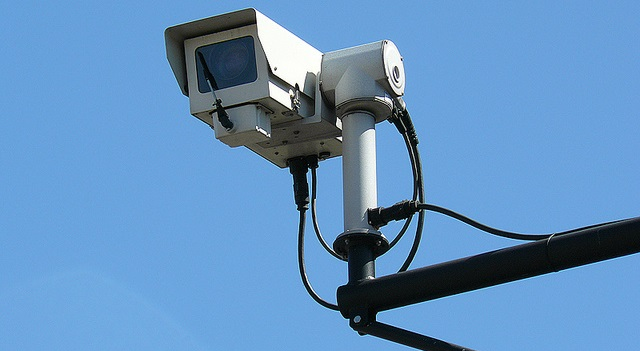
    Synectics plc (LSE:SNX), a provider of advanced security and surveillance technology, has announced a series of contract awards that highlight its expanding international footprint and increasing diversification across sectors. The company delivers integrated monitoring and control solutions designed to support critical operations, combining technical expertise with long-term industry partnerships to create unified security platforms for customers worldwide.

    Among the new wins, Synectics has secured its first transport-sector contract in Southeast Asia, where it will upgrade and maintain a national traffic monitoring camera network. The company has also received additional orders within the European renewable energy sector, supplying COEX camera systems for offshore wind substation platforms. These projects strengthen Synectics’ presence in critical infrastructure security while supporting its strategy to broaden exposure to energy and infrastructure markets.

    The company’s outlook is supported primarily by strong financial performance and recent contract momentum. A solid balance sheet, ongoing revenue growth and strategic project wins underpin expectations for continued expansion. Technical indicators present a mixed picture, while valuation metrics suggest the shares may offer relative value. Overall, Synectics appears well positioned within the Security & Protection Services sector, supported by growing demand for integrated surveillance solutions.

    More about Synectics

    Synectics plc is a UK-listed provider of advanced security and surveillance systems focused on protecting people, infrastructure and assets worldwide. The company integrates technologies, software and data into unified platforms designed to improve safety, enhance operational efficiency and enable faster, better-informed decision-making across multiple industries and geographic regions.

  • MONY Group Posts Record Earnings, Expands Buybacks and Accelerates AI Strategy

    MONY Group Posts Record Earnings, Expands Buybacks and Accelerates AI Strategy

    MONY Group (LSE:MONY) reported record financial results for 2025, with revenue rising to £446.3 million and adjusted EBITDA reaching an all-time high of £145.1 million, both up 2% year on year despite ongoing pressure in the car insurance market. Operating costs declined by 4%, helping lift the EBITDA margin to 33%. Performance was supported by strong growth in the Money and Home Services divisions, while Travel and Cashback segments delivered weaker contributions. The company estimates it enabled UK households to save £2.8 billion during the year and close to £12 billion over the past five years.

    The group returned £96 million to shareholders through dividends and a completed £30 million share buyback, increased the total dividend to 12.63p per share, and announced an additional £25 million buyback programme, reflecting confidence in ongoing cash generation. Strategic priorities include expanding its SuperSaveClub membership platform, which now exceeds 2.1 million members and contributes around 16% of group revenue, alongside strengthening services for providers and accelerating artificial intelligence adoption. Initiatives include an enterprise agreement with OpenAI, the launch of products such as Savings by MoneySuperMarket and Price Optimiser, and the introduction of a MoneySuperMarket ChatGPT application. The board expects 2026 adjusted EBITDA to align with current market consensus forecasts.

    MONY Group’s outlook is supported by strong financial performance, attractive valuation metrics and continued shareholder returns through buybacks. However, technical indicators suggest some bearish momentum in the near term, which could introduce short-term volatility. Strong cash flow generation and disciplined debt management nevertheless provide a solid platform for longer-term growth.

    More about MONY Group PLC

    MONY Group PLC, owner of MoneySuperMarket, operates a UK-based consumer finance and price comparison platform connecting households with products across insurance, personal finance, home services, travel and cashback markets. The company uses data analytics and AI-enabled technology to power a two-sided marketplace serving both consumers and product providers.

  • Nanoco Adds Apple as Co-Party in Shoei Litigation Proceedings

    Nanoco Adds Apple as Co-Party in Shoei Litigation Proceedings

    Nanoco Group (LSE:NANO) has applied to include Apple as a named co-party in its ongoing legal dispute with Shoei Chemical and Shoei Electronic Materials in the U.S. District Court for the Eastern District of Virginia. The company stated that the addition of Apple is a procedural step taken in response to positions adopted by Shoei and does not alter the materiality or potential value associated with the claim. Nanoco added that it will continue to update shareholders as developments arise in the case.

    The company’s outlook remains pressured by weak financial fundamentals, including ongoing losses, subdued operating cash flow and negative equity, alongside bearish technical indicators such as a share price trading below key moving averages and negative MACD momentum. Management commentary has provided some offset through evidence of reduced cash burn, a solid cash position and progress under joint development agreements, although valuation metrics remain constrained due to negative earnings.

    More about Nanoco Group plc

    Nanoco Group plc is a UK-listed materials technology company focused on the development and manufacture of cadmium-free quantum dots and specialised nanomaterials. Its technology is primarily used in advanced display applications and other electronics markets, positioning the company as a provider of environmentally compliant quantum dot solutions for global technology manufacturers.