Author: Fiona Craig

  • European equities slip as earnings season intensifies: DAX, CAC, FTSE100

    European equities slip as earnings season intensifies: DAX, CAC, FTSE100

    European markets traded modestly lower on Thursday as investors assessed a fresh wave of corporate earnings against a backdrop of heightened geopolitical uncertainty.

    At 08:02 GMT, Germany’s DAX was down 0.3%, France’s CAC 40 eased 0.2%, and the UK’s FTSE 100 declined 0.2%.

    Earnings updates dominate

    The reporting calendar remains busy, with the season broadly constructive so far — roughly 60% of European companies have exceeded profit expectations to date.

    Pernod Ricard (EU:RI) posted a 5% drop in second-quarter like-for-like sales, reflecting continued weak consumer demand and inventory reductions in the United States and China. However, the decline was less severe than the 7.6% contraction recorded in the prior quarter, supported by stronger trends in India and global travel retail.

    Rio Tinto (LSE:RIO) delivered flat underlying earnings for 2025, as higher copper and aluminium volumes and tighter cost discipline offset softer iron ore prices.

    Renault (EU:RNO) reported a net loss of €10.93 billion for 2025 after booking a €9.3 billion non-cash accounting charge tied to a revised treatment of its Nissan stake. Underlying operations remained resilient, with revenue rising 3%.

    Nestlé (BIT:1NESN) announced a 17% decline in annual net profit and a sharp margin contraction in 2025, as restructuring costs, asset impairments and a December infant formula recall weighed on results.

    Zurich Insurance (TG:ZFIN) achieved a record operating profit of $8.9 billion for 2025, up 14% year on year, driven by improved underwriting in property and casualty and growth across its business segments.

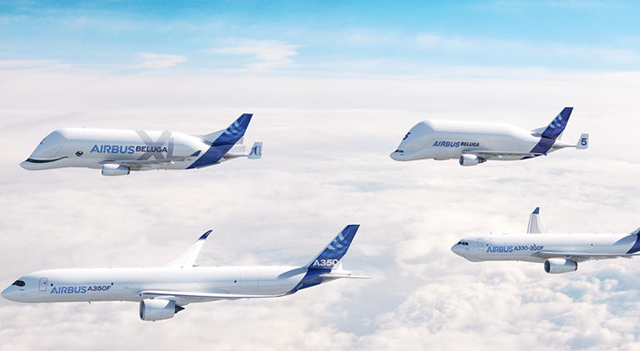
    Airbus Group (EU:AIR) reported a slightly better fourth-quarter profit but issued a softer-than-expected aircraft delivery forecast for 2026 due to engine supply constraints.

    Air France-KLM (EU:AF) posted its first-ever operating result above €2 billion, with revenue gains and lower fuel costs offsetting higher airport fees and labour expenses.

    Krones (TG:KRN) exceeded profitability expectations in the fourth quarter, though revenue slightly missed forecasts, as the German packaging equipment maker continued to expand margins despite macroeconomic headwinds.

    Geopolitical tensions remain elevated

    Beyond earnings, geopolitical risks continue to influence sentiment. Ukrainian and Russian negotiators held their third U.S.-brokered meeting of 2026 this week, but talks failed to produce progress on core disputes, including territorial issues.

    Russia is reportedly demanding that Ukraine withdraw from the remaining 20% of the eastern Donetsk region not under Moscow’s control — a condition Kyiv rejects.

    Meanwhile, nuclear negotiations between the United States and Iran in Geneva yielded limited progress. U.S. Vice President JD Vance said Washington was considering whether to continue diplomatic engagement with Tehran or pursue “another option”.

    Satellite imagery suggests Iran has constructed a reinforced concrete structure at a sensitive military site, later covered with soil, potentially advancing work at a location reportedly targeted by Israel in 2024.

    Oil prices extend gains

    Oil prices continued to climb, supported by rising geopolitical risks in the Middle East that have heightened concerns about potential supply disruptions.

    Brent crude rose 1% to $71.04 per barrel, while U.S. West Texas Intermediate gained 1.1% to $65.75 per barrel.

    Both benchmarks had surged more than 4% on Wednesday, marking their highest closing levels since January 30.

    Reports of increased military and naval activity in the Persian Gulf have reinforced fears of supply vulnerability. At the same time, hopes for relaxed sanctions on Russian energy exports faded after the latest Russia-Ukraine talks failed to produce a breakthrough.

    Additional support came from industry data showing tighter U.S. supply conditions. The American Petroleum Institute reported a decline of around 609,000 barrels in U.S. crude inventories for the week ending February 13. Official figures from the Energy Information Administration are due later Thursday.


  • FTSE 100 today: UK equities retreat as rally pauses, sterling steady; Rio Tinto in focus

    FTSE 100 today: UK equities retreat as rally pauses, sterling steady; Rio Tinto in focus

    UK equities edged lower on Thursday, ending their recent upward streak as the FTSE 100 opened in negative territory, tracking weaker sentiment across European markets. The pound held broadly firm.

    By 08:25 GMT, the FTSE 100 was down 0.4%, while sterling ticked up 0.07% against the dollar to 1.3513. On the continent, Germany’s DAX slipped 0.3% and France’s CAC 40 declined 0.4%.

    UK market round-up

    Rio Tinto (LSE:RIO) reported underlying earnings of $10.87 billion for 2025, flat year on year but ahead of analyst forecasts, despite softer iron ore prices. The mining giant offset pricing pressure through higher copper and aluminium volumes as well as tighter cost control. The figure topped Bloomberg expectations of $10.81 billion. However, net profit attributable to shareholders fell 14% to $9.97 billion, reflecting higher debt levels and one-off acquisition-related items.

    Centrica PLC (LSE:CNA), owner of British Gas, posted a statutory loss of £72 million for 2025, compared with a £1.33 billion profit the previous year. The company suspended its share buyback programme as adjusted earnings more than halved due to lower energy prices impacting gas and nuclear returns. Results were weighed down by £508 million in impairments across nuclear and gas assets and a £345 million net loss on derivative energy contracts.

    Mondi PLC (LSE:MNDI) recorded a 3% increase in annual revenue to €7.7 billion, supported by stronger volumes and the Schumacher acquisition. However, underlying EBITDA declined 5% to €1,001 million amid margin compression, with the EBITDA margin narrowing to 13.1% from 14.1% a year earlier.

    Ab Dynamics (LSE:ABDP) appointed Andrew Lewis as interim Chief Financial Officer with immediate effect, as the company continues its search for a permanent CFO following Sarah Matthews-DeMers’ promotion to CEO. The recruitment process is progressing, though notice periods have necessitated a temporary appointment.

    According to a Bloomberg report, Elliott Investment Management is urging London Stock Exchange Group PLC (LSE:LSEG) to review its portfolio and initiate a £5 billion ($6.8 billion) share buyback over the next year. The activist fund is reportedly calling for a reassessment of LSEG’s structure, which spans data services, exchange operations and a 51% stake in Tradeweb Markets Inc.

    Safestore Holdings Plc (LSE:SAFE) delivered 6.3% year-on-year revenue growth at constant exchange rates in the first quarter, driven by both like-for-like gains and contributions from new stores. Like-for-like revenue rose 4.2% to £31.66 per square foot, while closing occupancy reached 77.8%, up one percentage point from last year and approaching the 80% threshold often associated with stronger growth momentum.

    Debenhams Group (LSE:DEBS) raised £40 million through an oversubscribed equity placing. The online retailer completed the issue at 18 pence per share, a 5% discount to the 19 pence closing price on 17 February. The company placed 200 million new shares and secured subscriptions for a further 22.2 million, resulting in net proceeds of around £38.7 million.

    Capita plc (LSE:CPI) announced a £137 million contract renewal within its Pension Solutions division, extending an existing UK client relationship for up to 10 years from Q1 2026. The agreement will see Capita deploy new technology to enhance transaction efficiency, increase capacity and improve customer experience.

  • Mondi posts 29% drop in full-year pre-tax profit, lowers dividend

    Mondi posts 29% drop in full-year pre-tax profit, lowers dividend

    Mondi (LSE:MNDI) reported weaker full-year 2025 earnings as persistent margin pressure and an extended industry downturn weighed on results, even as revenue edged higher and cash generation strengthened.

    Group revenue increased 3% year on year to €7.7 billion, helped by improved sales volumes and the impact of the Schumacher acquisition. However, underlying EBITDA declined 5% to €1,001 million, reflecting tougher trading conditions, and the underlying EBITDA margin narrowed to 13.1% from 14.1% the previous year.

    Profit before tax fell 29% to €269 million, while basic underlying earnings per share dropped to 56.5 euro cents, compared with 82.7 euro cents in 2024.

    Cash generated from operations rose 11% to €1,072 million, supported by effective working capital management. Net debt to underlying EBITDA climbed to 2.6 times from 1.7 times, largely due to investment spending, including the Schumacher deal and major capital expenditure projects.

    The board proposed a total ordinary dividend of 28.25 euro cents per share, sharply down from 70.00 euro cents last year, in line with the group’s dividend cover framework.

    Chief Executive Andrew King said the company “delivered a resilient full year financial performance” despite a “prolonged cyclical downturn,” pointing to the benefits of its integrated asset base and continued cost control.

    Looking ahead, Mondi cautioned that the timing of any recovery in geopolitical and macroeconomic conditions remains uncertain. Paper prices at the start of 2026 are slightly below levels seen in the final quarter of 2025, but the group said it is confident in its ability to manage ongoing challenges through disciplined volume growth, margin focus and cost efficiency measures.

  • Pernod Ricard set to reach cash conversion goal ahead of plan, trims investment outlook

    Pernod Ricard set to reach cash conversion goal ahead of plan, trims investment outlook

    Pernod Ricard SA (EU:RNO) is on track to meet its medium-term cash conversion objective in 2026, a year earlier than originally anticipated, Chief Financial Officer Hélène de Tissot said.

    The French spirits group has also scaled back its planned strategic investments for fiscal 2026. Chief Executive Officer Alexandre Ricard stated that spending will now total around €750 million, compared with the €900 million previously projected.

    The revised investment plan marks a €150 million reduction versus earlier guidance, a move that could strengthen the company’s cash generation and provide greater flexibility in allocating capital as it prioritises balance sheet improvement.

  • Airbus falls sharply as subdued 2026 delivery forecast outweighs Q4 earnings beat

    Airbus falls sharply as subdued 2026 delivery forecast outweighs Q4 earnings beat

    Shares in Airbus Group (EU:AIR) dropped almost 6% on Thursday after the aircraft manufacturer issued a softer-than-anticipated delivery outlook for 2026 due to engine supply constraints, overshadowing a better-than-expected fourth-quarter profit performance.

    For the three months to December 31, Airbus reported earnings per share of €3.27, marking a 7% increase year on year and comfortably ahead of Investing.com forecasts of €2.34.

    Quarterly revenue rose 5% to €25.98 billion, although this came in below market expectations of €27.5 billion. By the end of 2025, consolidated order intake reached €123.3 billion, with the total order backlog valued at €619 billion.

    Looking ahead, Airbus projected commercial aircraft deliveries of 870 units in 2026, falling short of Bloomberg consensus estimates of around 896 aircraft.

    Chief Executive Guillaume Faury said that despite strong worldwide demand for Airbus jets, the company continues to face “significant” supply shortages of Pratt & Whitney engines, produced by a subsidiary of Rtx Corp (NYSE:RTX).

    The engine bottleneck has also led Airbus to adjust its production plans. The group now expects monthly output of its narrowbody aircraft to reach between 70 and 75 units by the end of 2027, stabilising at 75 per month thereafter. Previously, Airbus had targeted a rate of 75 aircraft per month in 2027.

    RBC Capital Markets analyst Ken Herbert commented that Airbus’ fourth-quarter performance was “overshadowed by soft 2026 guide.”

    “We believe investors will view the guide as below expectations, and could put pressure on the stock in the near term. However, we do believe the company’s guide for ~870 aircraft deliveries is appropriately conservative, as we have called out that we expected a sub-900 delivery guide,” he wrote.

    Jefferies analyst Chloe Lemarie echoed similar concerns, stating that “FY25 results should allay some fears, notably with a solid FCF performance despite inventory buildup.”

    “However, the 2026 guide is weaker than we expected,” she added.

    Airbus also proposed a dividend of €3.20 per share for 2025.

  • Euronext slips after Q4 reported earnings miss forecasts

    Euronext slips after Q4 reported earnings miss forecasts

    Shares in Euronext (EU:ENX) edged lower on Thursday after the exchange operator posted fourth-quarter 2025 figures that fell short of expectations at the reported profit level.

    Reported profit before tax (PBT) came in at €213 million, around 5% below market forecasts, according to Barclays. By contrast, adjusted PBT reached €258 million, roughly 3% above consensus, helped by stronger revenues and favourable depreciation and amortisation dynamics.

    Quarterly net income totalled €145 million, also about 5% under consensus estimates.

    Underlying revenue exceeded expectations by approximately 1%, increasing 11% year on year. However, Barclays noted that the figure included a €4 million fair value adjustment linked to AdminControl contracts following its acquisition. Stripping out this item, revenue would have been broadly aligned with consensus projections.

    Adjusted EBITDA rose 9% compared with the prior year and came in about 1% ahead of expectations, while the adjusted EBITDA margin of 60% was in line with market forecasts. Reported earnings per share were €1.42, roughly 5% below the €1.50 consensus, though still 2% higher year on year.

    For the full year 2025, Euronext delivered double-digit growth in both revenue and profit, supported by expansion in non-trading activities, resilient market volumes and continued cost control.

    Underlying full-year revenue and income advanced 12.1% to €1.82 billion. Non-volume-related businesses accounted for 59% of total revenue and covered 157% of operating expenses, excluding depreciation and amortisation.

    Revenue from Securities Services increased 6.9% to €330.7 million, driven by higher custody and settlement activity and growth in assets under custody.

    Capital Markets and Data Solutions revenue climbed 12.1% to €669.3 million, while net treasury income surged 22.6% to €69.6 million, reflecting the expansion of clearing operations.

    Volume-driven income also strengthened, with fixed income, currencies and commodities markets revenue rising 16.2% to €342.8 million and equity markets revenue up 11.7% to €410 million on robust trading activity.

    Adjusted EBITDA for the year grew 13.6% to €1.14 billion, with margin improving to 62.7%. Adjusted net income increased 7.9% to €736.5 million, and adjusted EPS rose 10.3% to €7.27. Reported net income climbed 9.8% to €642.9 million.

    Underlying operating expenses, excluding depreciation and amortisation, totalled €680.1 million, reflecting recent acquisitions including Admincontrol and Athex Group.

    Looking ahead, the company expects underlying costs in 2026 to reach around €770 million, incorporating integration expenses and investment in growth initiatives. Euronext intends to propose a dividend of €321.5 million, equivalent to 50% of reported net income, marking a 9.8% increase from 2024.

    Barclays analysts pointed to the shortfall in reported net income and PBT, along with the 50% payout ratio. “Focus likely on costs & whether guide is conservative – new FY26 guide of €770m is heavier than BARCe (€745m) & unclear what’s in a noisy cons,” they commented.

    Chief Executive Stéphane Boujnah said 2025 marked “an excellent start” to the group’s strategic plan, highlighting balanced growth across both trading and non-trading segments.

  • Centrica Raises 2025 Dividend Alongside Preliminary Results

    Centrica Raises 2025 Dividend Alongside Preliminary Results

    Centrica (LSE:CNA) has released its preliminary results for the year ended 31 December 2025, with the full report available through its website and the UK Financial Conduct Authority’s National Storage Mechanism. Management is scheduled to present the results to analysts and institutional investors via a live webcast on 19 February 2026.

    The board has proposed a final dividend of 3.67 pence per share, bringing the total distribution for 2025 to 5.5 pence per share — an increase from 4.5 pence in 2024. Subject to shareholder approval at the AGM on 7 May 2026, the final dividend is due to be paid on 14 May 2026 to investors on the register at 10 April 2026. The higher payout signals confidence in the group’s balance sheet strength and its continued focus on returning capital to shareholders.

    Centrica’s broader outlook is supported by recent corporate initiatives, including share buybacks and strategic acquisitions aimed at enhancing long-term shareholder value. However, valuation metrics remain somewhat challenged, particularly given a negative price-to-earnings ratio, while technical indicators present a mixed picture.

    More about Centrica

    Centrica plc is a UK-listed energy company traded on the London Stock Exchange under the ticker CNA. The group operates through a portfolio of energy supply, services and infrastructure businesses and maintains sufficient distributable reserves and retained earnings to underpin ongoing dividend payments to shareholders.

  • Rio Tinto Strengthens Earnings Profile with Volume Growth, Cost Discipline and New Projects

    Rio Tinto Strengthens Earnings Profile with Volume Growth, Cost Discipline and New Projects

    Rio Tinto (LSE:RIO) delivered an 8% rise in copper-equivalent production in 2025, supported by the underground ramp-up at Oyu Tolgoi and resilient iron ore output from the Pilbara operations. The higher volumes helped lift underlying EBITDA 9% to $25.4 billion, while operating cash flow increased to $16.8 billion. Although underlying earnings held steady at $10.9 billion and net profit declined 14% to $10.0 billion, the miner upheld its 60% payout policy, declaring a $6.5 billion ordinary dividend and maintaining its decade-long track record at the top end of its distribution range.

    Operationally, Rio Tinto marked several significant milestones. These included completion of the Oyu Tolgoi underground development, initial shipments of high-grade iron ore from the Simandou project, and the opening of the Western Range replacement mine. The acquisition of Arcadium Lithium further strengthens its exposure to battery materials, with plans to scale lithium carbonate capacity to as much as 200,000 tonnes annually by 2028. Cost and productivity initiatives delivered a 5% reduction in unit costs and generated $650 million in annualised savings. At the same time, the group progressed decarbonisation efforts and updated agreements with several Aboriginal groups, reinforcing its social licence to operate as it targets sustained production growth and structural margin gains through 2030 and beyond.

    Rio Tinto’s investment profile is underpinned by strong cash generation, a solid balance sheet and strategic portfolio expansion in future-facing commodities. Technical indicators remain supportive, although RSI levels suggest shares may be nearing overbought territory. Valuation metrics appear attractive, offering a combination of income stability and long-term growth exposure.

    More about Rio Tinto

    Rio Tinto is a diversified global mining company with core operations in iron ore, copper and aluminium, alongside growing exposure to lithium and other battery materials. With major assets in Australia, Mongolia and other resource-rich regions, the group is positioned to benefit from long-term industrial demand and the global energy transition.

  • Jubilee Metals Accelerates Zambian Copper Production and Pushes Ahead with Three-Pillar Strategy

    Jubilee Metals Accelerates Zambian Copper Production and Pushes Ahead with Three-Pillar Strategy

    Jubilee Metals Group (LSE:JLP) delivered a strong operational performance in the first half of FY2026, driven by rising copper output from its Zambian assets despite weather-related disruption and infrastructure challenges. The Roan processing facility achieved its targeted 30,000 tonnes per month feed rate, lifting copper unit production by 172.8% year on year to 1,246 tonnes. Total saleable copper units increased 8.7% to 1,543 tonnes, supported by stable power supply and operational efficiency gains.

    At the Molefe Mine, the group mined 181,890 tonnes of copper reef and transported 9,130 tonnes of ore to the Sable Refinery. Jubilee also continued to build strategic stockpiles and advanced a two-phase drilling campaign in partnership with Galileo Resources, aimed at expanding the project’s resource base. Progress was made across the company’s broader three-pillar copper growth strategy, including advancement of the Large Waste Project toward a partnership decision. Jubilee reaffirmed its full-year copper production guidance of 4,500 to 5,100 tonnes and confirmed receipt of a further $10 million linked to the completed disposal of its South African chrome and PGM operations.

    While operational momentum in Zambia remains strong, the company’s broader financial profile reflects recent pressure, including weaker revenues, reduced profitability and negative free cash flow. On the technical side, share price performance has been constructive, with bullish indicators such as trading above key moving averages and a positive MACD providing support. Valuation metrics are less definitive due to the absence of meaningful P/E and dividend yield data.

    More about Jubilee Metals Group

    Jubilee Metals Group is a metals processing specialist with a growing focus on copper production in Zambia, centred on the Roan concentrator, Sable Refinery and Molefe Mine. The group has historically processed chrome and platinum group metals in South Africa and has completed the sale of its South African chrome and PGM operations, while continuing to report output from those assets during the transition period.

  • Debenhams Group Expands £40m Equity Raise and Adjusts Board as Turnaround Continues

    Debenhams Group Expands £40m Equity Raise and Adjusts Board as Turnaround Continues

    Debenhams Group (LSE:DEBS) has successfully completed an oversubscribed equity placing, increasing the size of the fundraising from just over £35 million to approximately £40 million. The new shares were issued at 18 pence each, representing a 5% discount to the previous closing price. In total, more than 222 million shares were placed and subscribed for, generating net proceeds of around £38.7 million. The capital injection is intended to reinforce the company’s balance sheet and provide additional flexibility to advance its restructuring and growth plans.

    The offering attracted backing from both existing and new investors, including directors and major shareholder Frasers Group. The independent directors concluded that related-party participation was fair and reasonable. Following his involvement in the placing, long-serving non-executive director Iain McDonald stepped down to enable associated investment funds to participate, with the board stating that governance standards and independence remain intact. The leadership adjustments are positioned as supportive of the group’s ongoing turnaround strategy.

    Admission of the newly issued ordinary shares to trading on AIM is expected on 23 February 2026, with the shares ranking pari passu with the existing equity. Management said the strong demand for the raise reflects investor conviction that the company’s current valuation does not fully capture its recovery potential, as efforts continue to stabilise operations, improve profitability and rebuild shareholder value.

    Despite the successful fundraising, the company’s overall investment case remains challenged by weak underlying financial performance and valuation concerns. While recent share price momentum has been constructive, overbought technical signals suggest caution. Corporate actions provide a measure of optimism, but financial risk factors remain prominent.

    More about Debenhams Group

    Debenhams Group, part of boohoo group plc, operates as an online retail platform focused primarily on fashion and related consumer categories. Quoted on AIM under the ticker DEBS, the business has been engaged in a multi-year turnaround aimed at streamlining its cost base, sharpening its core offering and strengthening cash generation as it seeks to reposition for sustainable profitability.