Category: Top Story

  • European Markets Open Lower as Precious Metals Slide and Investors Brace for Key Events: DAX, CAC, FTSE100

    European Markets Open Lower as Precious Metals Slide and Investors Brace for Key Events: DAX, CAC, FTSE100

    European equities moved lower at the start of the week on Monday, with investor sentiment dented by a continued sell-off in precious metals ahead of a packed schedule of corporate earnings, central bank decisions and major economic releases.

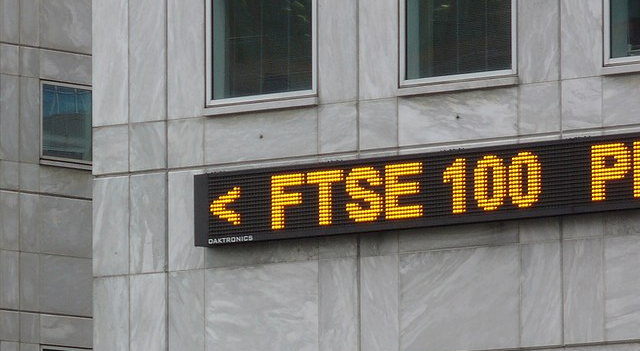
    By 08:05 GMT, Germany’s DAX was down 0.4%, France’s CAC 40 had slipped 0.5% and the UK’s FTSE 100 was trading 0.6% lower.

    Precious metals slump weighs on sentiment

    Market mood was further undermined by renewed weakness in gold and silver, which extended their declines after Friday’s sharp sell-off. The retreat followed the nomination of Kevin Warsh as the next chair of the US Federal Reserve, a development that pushed the US dollar higher and prompted investors to lock in profits after a powerful rally that had driven precious metals to record highs only days earlier.

    Spot gold fell by just under 6% to $4,597 per ounce on Monday, after plunging nearly 10% on Friday in its steepest single-day drop since 1983. Silver also remained under heavy pressure, following last Friday’s 30% collapse — its worst daily performance since March 1980 — after having surged on safe-haven demand and speculative inflows.

    Adding to the strain, CME said it would raise margin requirements on several metals contracts from the close of Monday’s session, a move that suggests some market participants may be struggling to meet margin calls and could be forced to sell liquid assets.

    Intesa Sanpaolo and earnings in focus

    Attention also turned to company results, with another busy earnings week ahead. Around 30% of the EuroSTOXX index’s market capitalisation is due to report over the coming days.

    Earlier on Monday, Intesa Sanpaolo (BIT:ISP) posted a 7.6% increase in net profit for 2025 to €9.3 billion and unveiled plans to return €8.8 billion to shareholders through dividends and share buybacks, reinforcing its standing as one of Europe’s most profitable banks.

    Swiss lender Julius Baer (TG:JGE) reported 2025 net profit of CHF764 million, down 25% year on year but modestly ahead of consensus expectations of CHF679 million.

    In the US, investors are closely watching upcoming results from Alphabet (NASDAQ:GOOGL) and Amazon (NASDAQ:AMZN). Sentiment around AI-related stocks has cooled after Microsoft (NASDAQ:MSFT) flagged rising costs linked to heavy AI investment, raising concerns over near-term returns.

    Data and central banks in focus

    On the macro front, data released earlier showed German retail sales rose 0.1% month on month in December, improving from a 0.5% decline in the previous month.

    Manufacturing PMI figures for January are due later in the session for the eurozone and are expected to show a modest improvement, though activity is likely to remain in contraction. Data released on Saturday indicated that China’s official manufacturing PMI slipped further below the 50 threshold in January, signalling ongoing contraction and persistent weakness in domestic demand.

    Both the European Central Bank and the Bank of England are scheduled to hold policy meetings this week, with markets widely expecting interest rates to remain unchanged.

    Oil prices drop as geopolitical risk eases

    Oil prices fell sharply on Monday as fears of a potential US strike on Iran receded, after US President Donald Trump said the Middle Eastern oil producer was “seriously talking” with Washington.

    Brent crude futures dropped 4.8% to $65.97 a barrel, while US West Texas Intermediate fell 5% to $61.91. Crude prices had surged last week as markets priced in a higher risk of supply disruptions after Trump repeatedly threatened Iran with military action over nuclear negotiations and ongoing domestic unrest. Those risks appeared to ease following Trump’s comments over the weekend.

    Meanwhile, the Organization of Petroleum Exporting Countries and its allies, known collectively as OPEC+, left production levels unchanged at a weekend meeting, in line with market expectations.

  • FTSE 100 Today: Shares Open Lower as Miners and Defence Stocks Weigh; Pound Steady

    FTSE 100 Today: Shares Open Lower as Miners and Defence Stocks Weigh; Pound Steady

    UK equities started the week on the back foot, with losses in mining and defence names dragging the market lower, while broader European indices also slipped amid cautious investor sentiment.

    By 08:20 GMT, the FTSE 100 was down 0.4%, while sterling was little changed, with GBP/USD trading flat at $1.3691. On the continent, Germany’s DAX edged 0.2% lower and France’s CAC 40 fell 0.3%.

    UK market round-up

    Mining stocks were among the weakest performers in early trading, led by precious metals producers. Gold miner Endeavour moved lower, while gold and silver producer Fresnillo PLC (LSE:FRES) also declined. Copper-focused names were heavily sold, with Antofagasta PLC (LSE:ANTO) falling alongside Anglo American PLC (LSE:AAL), while Glencore PLC (LSE:GLEN) traded lower.

    Defence stocks were also under pressure at the open. Shares in BAE Systems PLC (LSE:BAES), Babcock International Group PLC (LSE:BAB), Rolls-Royce Holdings PLC (LSE:RR.), Senior PLC (LSE:SNR) and QinetiQ Group PLC (LSE:QQ.) all slipped. The weakness followed renewed comments from Prime Minister Keir Starmer signalling continued interest in securing UK access to the European Union’s €150 billion defence funding framework.

    On the macro front, UK house prices rose 0.3% in January, taking annual growth to 1.0% compared with January 2025, according to figures released by Nationwide Building Society.

    In company news, DiscoverIE Group PLC (LSE:DSCV) reported 1% organic sales growth for the three months to 31 December, with group sales up 5% at constant exchange rates. Orders increased 9% at constant exchange rates and 4% organically, lifting the book-to-bill ratio to 1.03x from 0.99x in the first half. The group also noted improving trends in its previously weaker Controls division.

    3i Infrastructure PLC (LSE:3IN) said it will write down its £212 million investment in German fibre operator DNS:NET to zero in its March NAV, citing tougher financing conditions in the sector. The move is expected to reduce NAV by around 23 pence per share, or 5.6%, before performance fee adjustments.

    Italy’s BFF Bank SpA (BIT:BFF) announced that its chief executive will step down, with CFO Giuseppe Sica set to take over as general manager. The bank is taking steps to de-risk its balance sheet ahead of a planned securitisation of non-performing assets, booking around €72 million in provisions and a €22 million one-off charge. For 2025, BFF expects adjusted net income of roughly €150 million, implying a 23% return on equity, with reported net income forecast at about €70 million.

    Separately, the Helios Consortium said it has raised its possible cash offer for Cab Payments Holdings PLC (LSE:CABP) to $1.15 per share, a 21% premium to the 30-day volume-weighted average price to 30 January. The proposal values the company at approximately $292 million.

    Finally, FitzWalter Capital Limited confirmed it does not intend to make an offer for Auction Technology Group PLC (LSE:ATG) after the board unanimously rejected its proposed 400 pence per share approach.

  • UK Defence Shares Retreat After Starmer Signals Openness to Future EU SAFE Fund

    UK Defence Shares Retreat After Starmer Signals Openness to Future EU SAFE Fund

    UK defence stocks moved lower on Monday after Prime Minister Keir Starmer indicated that Britain could revisit participation in a future European Union defence funding initiative.

    Speaking ahead of meetings with EU officials in London later this week, Starmer said the government would consider taking part in a possible second, multi-billion-euro expansion of the EU’s SAFE loans programme. The comments weighed on the sector, with BAE Systems (LSE:BAES) down 2.7% by 08:37 GMT, while Babcock (LSE:BAB), Rolls-Royce (LSE:RR.) and QinetiQ (LSE:QQ.) each fell by around 1%.

    The European Commission is currently assessing a new round of SAFE funding as Europe looks to accelerate defence spending amid rising tensions linked to Russia and growing uncertainty over long-term US security commitments under President Donald Trump. The original €150 billion SAFE scheme enables the EU to raise funds in capital markets and lend them to member states over long maturities to finance defence projects ranging from ammunition to drones and missile systems.

    The UK had previously explored joining the initial SAFE programme, but talks collapsed in November after London declined to make a financial contribution, undermining efforts to reset post-Brexit relations with Brussels. Asked whether the UK would pursue a revised SAFE structure, Starmer stressed the need for Europe to move faster on defence.

    “Europe, including the UK, needs to do more on security and defence — that’s an argument I’ve been making for many months now,” he said. “That should require us to look at schemes like SAFE and others to see whether there is a way in which we can work more closely together.”

    “Whether it’s SAFE or other initiatives, it makes sense for Europe in the broadest sense — the EU plus other European countries — to deepen cooperation,” he added.

    While the UK would not be able to apply directly for SAFE loans, joining as a third country could allow British defence companies to bid for EU-backed procurement contracts. Starmer is also seeking to build on recent bilateral defence agreements, with further deals under discussion. Norway has signed a £10 billion agreement for anti-submarine warfare vessels to be built in the UK, while Britain has agreed an £8 billion deal to sell 20 Typhoon fighter jets to Turkey.

    EU Trade Commissioner Maros Sefcovic and other senior EU officials are due in London this week for broader talks covering trade, defence and cooperation.

  • Card Factory Reports Continued Employee Participation in SAYE Share Scheme

    Card Factory Reports Continued Employee Participation in SAYE Share Scheme

    Card Factory plc (LSE:CARD) has published its latest six-monthly block listing return relating to its 2015 Save As You Earn (SAYE) share scheme, highlighting ongoing take-up by employees. Between 1 August 2025 and 31 January 2026, a total of 178,957 ordinary shares of 1p each were issued following the exercise of SAYE options.

    As a result, the number of unallotted shares available under the scheme has reduced from 411,168 to 232,211. The remaining balance indicates that Card Factory retains sufficient headroom to meet future employee option exercises without the need to expand or amend the existing scheme in the near term.

    From an outlook perspective, the group continues to benefit from strong underlying financial performance and an attractive valuation profile, supported by a low P/E multiple and a high dividend yield. These positives are counterbalanced by very weak technical indicators, with the share price trading well below key moving averages and showing bearish momentum alongside oversold signals.

    More about Card Factory plc

    Card Factory plc is a UK-based specialist retailer of greeting cards, gifts and celebration-related products. The group operates primarily through a nationwide physical store estate, complemented by online sales channels, and focuses on offering value-led products for everyday and seasonal occasions.

  • Begbies Traynor to Rebrand as BTG Consulting as Advisory Platform Expands

    Begbies Traynor to Rebrand as BTG Consulting as Advisory Platform Expands

    Begbies Traynor Group plc (LSE:BEG) has announced plans to rebrand as BTG Consulting plc, marking a strategic shift that reflects its evolution over the past decade from a traditional insolvency specialist into a diversified financial and real estate advisory group. The move follows a prolonged period of growth in revenue, profitability and dividends, underpinned by expansion into a wider range of advisory services.

    Under the new structure, the group will bring its activities together under a single BTG brand, organised across eight clearly defined service lines. Its well-established insolvency and real estate advisory businesses will continue to operate as sub-brands under the names BTG Begbies Traynor and BTG Eddisons, preserving strong market recognition in those core areas. Management believes the refreshed branding, combined with ongoing organic growth initiatives and an active acquisition pipeline, will enhance market visibility, support the next phase of expansion and reinforce the group’s positioning as a full-service advisory platform for clients and investors.

    From an outlook perspective, Begbies Traynor benefits from a robust financial base and positive corporate developments, which remain the most influential factors underpinning the investment case. These are balanced by more cautious technical indicators and valuation metrics that suggest potential overvaluation. However, the group’s track record of strategic acquisitions and a solid dividend yield provide meaningful support.

    More about Begbies Traynor Group plc

    Begbies Traynor Group, soon to be renamed BTG Consulting plc, is a leading UK-based financial and real estate advisory firm. Having expanded beyond its roots in insolvency and restructuring, the group now offers a comprehensive range of services, including restructuring, deal advisory, funding and insurance, financial advisory, valuations and asset advisory, agency and auctions, projects and developments, and property management and insurance.

  • Serabi Gold Reports Fatal Underground Incident at Palito Mine

    Serabi Gold Reports Fatal Underground Incident at Palito Mine

    Serabi Gold (LSE:SRB) has confirmed that a fatal accident occurred at its Palito Complex in Brazil on 30 January 2026, following an underground traffic incident that resulted in the death of one employee. No other personnel were injured in the event. Brazilian authorities have been notified and are carrying out a formal investigation, while production in the affected area is expected to restart within days. The company stated that broader mining operations at Palito remain largely unaffected.

    Management expressed its condolences to the family, friends and colleagues of the deceased and noted that the incident marks the second employee fatality in a relatively short period, despite what it described as a strong recent safety record. In response, Serabi Gold has committed to an immediate and comprehensive review of operational effectiveness and safety procedures, signalling an increased focus on workforce safety and a likely period of heightened scrutiny around its health and safety practices.

    From an outlook perspective, the group continues to be supported by strong underlying financial performance, including high operating margins, a recovery in earnings and very low leverage. Technical indicators remain constructive, pointing to a bullish trend, while valuation metrics are favourable, reflected in a low P/E ratio. The principal risk factors remain less consistent free cash flow and the company’s exposure to historical commodity price cyclicality.

    More about Serabi Gold plc

    Serabi Gold plc is a gold exploration, development and production company focused on the Tapajós region of Pará State in northern Brazil. The group operates the Palito Complex, which has historically produced between 30,000 and 40,000 ounces of gold per year, and is progressing the development of the Coringa Mine to support higher future output. Serabi also holds extensive exploration licences and has recently reported a copper-gold porphyry discovery. The company is headquartered in the UK with a secondary office in Toronto, Canada.

  • European Markets Advance on Earnings Strength Despite Heightened Geopolitical Risks: DAX, CAC, FTSE100

    European Markets Advance on Earnings Strength Despite Heightened Geopolitical Risks: DAX, CAC, FTSE100

    European equities traded higher on Friday, supported by generally upbeat corporate earnings and resilient economic data, even as geopolitical risks remained firmly in focus. By 09:30 GMT, Germany’s DAX was up around 1%, France’s CAC 40 had added 0.5% and London’s FTSE 100 was 0.2% higher.

    Eurozone economy shows tentative improvement

    Economic data pointed to a gradual recovery across parts of the euro area. France’s economy expanded modestly in the fourth quarter of 2025, easing from the strong rebound seen over the summer but still delivering a better-than-expected performance for the year as a whole. Quarterly GDP growth slowed to 0.2% from 0.5% in the third quarter, while full-year growth reached 0.9%, exceeding the 0.7% assumption used in government budget forecasts.

    In Germany, labour market data highlighted ongoing weakness, with unemployment unchanged in January. On a seasonally adjusted basis, the number of people out of work held steady at 2.976 million, leaving the jobless rate unchanged at 6.3%. Against this backdrop, the European Central Bank is widely expected to leave interest rates unchanged at its meeting next week, with inflation close to target and signs of stabilisation emerging in the broader regional economy.

    Focus turns to geopolitics and the Federal Reserve

    Geopolitical tensions continued to weigh on sentiment. Reports suggested the White House is considering further military action against Iran as additional naval forces move into the region. Separately, U.S. President Donald Trump signed an executive order declaring a national emergency and outlining a framework for potential tariffs on goods from countries that trade oil with Cuba.

    Trump also said late on Thursday that he would announce his nominee for the next Chair of the Federal Reserve later in the session. Media speculation has centred on former Fed Governor Kevin Warsh as the leading candidate.

    Corporate highlights: Adidas, Swatch and Caixabank

    On the corporate front, Adidas (BIT:1ADS) drew attention after reporting record sales for 2025 and announcing a €1bn share buyback programme. Swatch (TG:UHR) said sales rose 4.7% at constant exchange rates in the second half of last year, although the Swiss watch group also reported a sharp decline in full-year profit.

    In the banking sector, CaixaBank (TG:A2RZTQ) posted net profit of €5.89bn for 2025, up 1.8%, delivering a 17.5% return on tangible equity. The bank also cut its non-performing loan ratio to a record low of 2.1% and raised its dividend by 15%.

    In the United States, Apple (NASDAQ:AAPL) comfortably beat profit and revenue expectations for its fiscal first quarter, benefiting from its strongest quarterly iPhone sales growth in more than four years.

    Oil and gold retreat from recent peaks

    Commodity markets pulled back from recent highs. Oil prices eased on Friday, although both benchmarks remained on track for strong weekly gains amid concerns that a potential U.S. strike on Iran could disrupt supplies. Brent crude slipped 0.8% to $69.03 a barrel, while U.S. West Texas Intermediate fell 0.8% to $64.87. Despite the daily decline, both contracts were heading for weekly gains of around 5% and their first monthly rise in six months, with Brent up more than 16% in January and WTI set to gain over 14%.

    Gold prices also dropped sharply, retreating from record levels after news that President Trump is expected to announce his choice for the next Fed Chair later in the day. Kevin Warsh, now seen as the frontrunner, is viewed as less dovish than other candidates, prompting a rebound in the U.S. dollar and pressuring dollar-denominated commodities. Spot gold fell 5.4% to $5,061.59 an ounce, while April gold futures slid 6.4% to $5,024.68. Even so, gold prices remain up more than 20% so far in January, on track for a sixth consecutive monthly gain and their strongest monthly rise since 1982.

  • Union Jack Oil Delivers Stable UK Production and Expands U.S. Portfolio While Driving Cost Discipline

    Union Jack Oil Delivers Stable UK Production and Expands U.S. Portfolio While Driving Cost Discipline

    Union Jack Oil (LSE:UJO) reported steady operational performance across its UK and US assets, underpinned by consistent output from its flagship Wressle oilfield in Lincolnshire. Wressle continues to rank among the UK’s most productive conventional onshore fields, with average production of around 267 barrels of oil per day in January and meaningful remaining 2P reserves. Elsewhere in the UK, the company highlighted renewed activity at the Keddington oilfield and ongoing progress at the West Newton gas project, where contingent resources and additional prospective targets support longer-term growth potential, subject to securing the necessary regulatory approvals.

    In the United States, Union Jack’s Oklahoma operations, partnered with Reach Oil and Gas, remained cash-flow positive despite a softer oil price environment. Production from the Moccasin and Andrews wells has continued to perform, while near-term catalysts include drilling at the high-impact Crossroads prospect and a planned stimulation programme at the Taylor 1-16 well. The group is also expanding its mineral royalty portfolio, adding diversified, lower-risk exposure to US production. Management said a sharpened focus on cost control and operational efficiency is central to improving corporate cash flow and positioning the business to benefit from future changes in energy policy and commodity markets on both sides of the Atlantic.

    From an investment perspective, Union Jack’s outlook is supported by a very strong balance sheet, with no debt, and a track record of profitability since 2022. These strengths are partly offset by a sharp compression in profitability during 2024 and volatile, at times negative, free cash flow. Market indicators point to some short-term share price strength, although momentum appears overbought and the longer-term trend remains less convincing. Valuation support is limited by a negative price-to-earnings ratio and the absence of a dividend yield.

    More about Union Jack Oil

    Union Jack Oil is an onshore oil and gas company focused on production, development, exploration and investment opportunities in the UK and the United States. Listed on AIM and the OTCQB, the company holds interests in a portfolio of conventional oilfields, gas developments and mineral royalty assets, with a particular emphasis on projects in England’s Humber Basin and cash-generative ventures and royalties across US basins including Oklahoma, the Permian, Bakken and Eagle Ford.

  • AstraZeneca Agrees $1.2bn Partnership With CSPC to Expand Obesity Pipeline

    AstraZeneca Agrees $1.2bn Partnership With CSPC to Expand Obesity Pipeline

    AstraZeneca (LSE:AZN) has signed a strategic collaboration with China-based CSPC Pharmaceuticals aimed at strengthening its position in the rapidly expanding obesity and metabolic disease market. Under the deal, AstraZeneca will obtain exclusive rights outside China to CSPC’s once-monthly injectable therapies for obesity and type 2 diabetes, including a long-acting GLP-1R/GIPR dual agonist that is ready to enter Phase I trials, alongside three additional preclinical candidates. The agreement also provides access to CSPC’s AI-enabled peptide discovery platform and its proprietary LiquidGel technology, which is designed to support sustained, once-monthly dosing.

    The transaction includes an upfront payment of $1.2bn, with the potential for up to $3.5bn in further development and regulatory milestone payments, as well as additional commercial milestones. AstraZeneca believes the collaboration will meaningfully enhance its next-generation weight management portfolio by complementing existing pipeline assets and addressing patient adherence through longer-acting, simplified treatment regimens. Management highlighted obesity as a key strategic growth area, given the scale of unmet medical need and increasing global demand for effective, durable therapies.

    From an investment perspective, AstraZeneca’s outlook continues to be supported by strong financial performance and constructive earnings momentum, alongside steady progress in expanding and diversifying its product pipeline. While valuation remains elevated and technical indicators are only moderately supportive, the CSPC agreement reinforces the company’s long-term growth strategy in cardiovascular, renal and metabolic diseases and strengthens its competitive positioning in one of the pharmaceutical sector’s fastest-growing markets.

    More about AstraZeneca

    AstraZeneca is a global, science-led biopharmaceutical company headquartered in Cambridge, UK, focused on the discovery, development and commercialisation of prescription medicines. Its portfolio spans Oncology, Rare Diseases and BioPharmaceuticals, including cardiovascular, renal and metabolism and respiratory and immunology, with medicines sold in more than 125 countries and used by millions of patients worldwide.

  • Thor Energy Steps Up Natural Hydrogen Strategy as Asset Sales Strengthen Balance Sheet

    Thor Energy Steps Up Natural Hydrogen Strategy as Asset Sales Strengthen Balance Sheet

    Thor Energy (LSE:THR) reported a strong close to 2025, pointing to solid operational progress at its flagship HY-Range natural hydrogen and helium project in South Australia alongside a materially reshaped portfolio aligned with clean energy priorities. During the quarter, the company advanced Phase 2 of its geochemical monitoring programme at HY-Range, aimed at demonstrating the presence of a consistent hydrogen system and supporting a bespoke 2D seismic survey planned for mid-2026 ahead of drilling. Thor noted that its co-located gas storage licences could also benefit from the same subsurface data, potentially enhancing the overall value of the project area.

    At the portfolio level, Thor continued to strengthen its funding position through the monetisation of non-core assets. The company divested 75% of its US uranium portfolio via a revenue-sharing arrangement with DISA Technologies and completed the sale of the Molyhil Tungsten Project to Tivan for A$6.56m, delivering non-dilutive capital to fund exploration. At the same time, Thor retained upside exposure to South Australian copper-gold and rare earth assets, holding an 80% interest in Alford East and a 20% stake in EnviroCopper. EnviroCopper recently secured a A$3.5m investment from a major energy company to advance the Alford West and Kapunda projects, indirectly supporting Thor’s retained interests. The group ended the quarter with US$1.66m in cash, subsequently boosted by a A$2.25m completion payment from Tivan, leaving it well-capitalised to pursue its hydrogen, helium and critical metals strategy.

    Despite the strategic momentum, the investment outlook remains constrained by weak financial fundamentals, including the absence of revenue, widening losses and ongoing operating cash outflows. While the share price is trading above key moving averages, providing some technical support, mixed momentum indicators and valuation metrics of limited relevance for a loss-making explorer keep the overall assessment below average.

    More about Thor Energy PLC

    Thor Energy PLC is a dual-listed exploration company focused on clean energy and strategic metals, with a growing emphasis on natural hydrogen and helium opportunities in South Australia. Following a period of portfolio rationalisation, the group has moved away from non-core uranium and tungsten assets, while retaining leveraged exposure to South Australian copper, gold and rare earth projects through direct holdings and a strategic stake in EnviroCopper Limited.