Category: Top Story

  • European Stocks Stabilise as U.S.-Iran Tensions Keep Markets on Edge: DAX, CAC, FTSE100

    European Stocks Stabilise as U.S.-Iran Tensions Keep Markets on Edge: DAX, CAC, FTSE100

    European equities steadied on Tuesday after early losses, as concerns grew that a fragile ceasefire between the United States and Iran could be breaking down into renewed conflict.

    By 08:37 GMT, the pan-European Stoxx Europe 600 was up 0.6%, while Germany’s DAX gained 0.8% and France’s CAC 40 rose 0.7%, all recovering from earlier declines. The UK’s FTSE 100 lagged behind, falling 0.8%.

    Escalation Raises Concerns Over Global Oil Supply

    Fresh hostilities erupted on Monday, with both sides launching attacks after Tehran responded to efforts by U.S. President Donald Trump to reopen shipping lanes through the Strait of Hormuz, a key route for around 20% of global oil flows.

    Reports emerged of fires and explosions affecting merchant vessels in the Gulf. The U.S. said it had successfully escorted two American-flagged ships through the strait, despite facing attacks from Iranian drones and small armed boats.

    The situation also escalated across the wider Middle East. In the United Arab Emirates, air defence systems intercepted missiles and drones launched from Iran, while an oil terminal in Fujairah was targeted.

    Oil Prices Remain Elevated

    For much of the conflict, now spanning more than two months, tanker traffic through the Strait of Hormuz has been severely disrupted due to the threat of Iranian strikes. This has driven oil prices sharply higher, raising concerns about inflation and its potential impact on global economic growth.

    Brent crude futures slipped 0.8% to $113.56 per barrel but remain significantly above pre-conflict levels.

    Trump, facing mounting domestic pressure over the situation, has provided limited details about efforts to reopen the shipping route under the plan known as “Project Freedom,” while Iran’s foreign minister warned against the U.S. becoming entangled in a “quagmire.”

    Stock Movers

    Among individual stocks, HSBC Holdings plc (LSE:HSBA) fell more than 5% after reporting first-quarter profit below expectations, largely due to a $400 million charge linked to a fraud case in the UK.

    In contrast, Anheuser-Busch InBev SA/NV (EU:ABI) gained ground after posting quarterly earnings that exceeded forecasts.

  • FTSE 100 Opens Lower as Middle East Tensions Drive Oil Higher

    FTSE 100 Opens Lower as Middle East Tensions Drive Oil Higher

    The FTSE 100 fell 1.05% at the open on Tuesday, as escalating tensions in the Middle East weighed on investor sentiment.

    At 07:10 GMT, sterling was broadly unchanged against the dollar at 1.3539, while European markets showed mixed performance. Germany’s DAX edged up 0.05%, and France’s CAC 40 gained 0.13%.

    Oil Prices Surge Amid Escalating Conflict

    Brent crude climbed sharply, reaching $114.44 on Monday before easing to around $113 in early Tuesday trading. The move reflects heightened fears of a broader conflict following renewed instability around the Strait of Hormuz.

    Tensions escalated after missile and drone strikes targeted the UAE, with Abu Dhabi reporting it intercepted 15 missiles and four drones. A fire was later reported at an oil facility in Fujairah port. Iran denied involvement, attributing the incident to U.S. actions, while the UAE condemned the attack and signalled it could respond.

    Naval Activity Intensifies in Strait of Hormuz

    The situation at sea also deteriorated, with U.S. naval forces escorting vessels through the Strait of Hormuz under reported attack conditions. Helicopters and additional military assets were deployed as part of a broader effort to secure commercial shipping routes.

    U.S. President Donald Trump indicated a firm stance, highlighting the availability of military resources and suggesting further escalation if necessary. He also called on South Korea to support the mission after an attack on a Seoul-operated cargo vessel near the UAE coast.

    Iranian officials issued strong warnings, with parliamentary leadership suggesting a shift in the strategic balance around the strait, while the country’s foreign minister emphasised that the crisis ultimately requires a political resolution.

    UK Market Round-Up

    Vodafone Group Plc (LSE:VOD) agreed to acquire CK Hutchison’s 49% stake in its VodafoneThree joint venture for £4.3 billion, taking full control of the UK’s largest mobile operator, serving more than 28 million customers.

    HSBC Holdings plc (LSE:HSBA) reported first-quarter pre-tax profit of $9.4 billion, slightly below expectations after a $400 million hit linked to a UK fraud case pushed expected credit losses up to $1.3 billion.

  • HSBC Q1 Profit Edges Lower as Costs and Credit Losses Rise

    HSBC Q1 Profit Edges Lower as Costs and Credit Losses Rise

    HSBC Holdings plc (LSE:HSBA) reported a slight decline in first-quarter profit, as higher credit charges and operating costs offset solid revenue growth driven by its wealth division and net interest income.

    Europe’s largest lender posted profit before tax of $9.4 billion for the three months to March 31, down 1% from the same period last year. The bank attributed the decline to increased expected credit losses, higher expenses, and the impact of one-off items.

    Shares Fall Despite Revenue Growth

    HSBC shares dropped more than 5% in London trading following the results.

    Revenue increased 6% to $18.6 billion, supported by strong fee income from wealth management and improved net interest income. Net interest income rose 8% to $8.9 billion, benefiting from deposit growth and reinvestment at higher yields.

    Credit Losses and Costs Climb

    Expected credit losses rose by $400 million to $1.3 billion, partly linked to a fraud-related exposure in the UK and a more uncertain economic backdrop tied to conflict in the Middle East.

    Operating expenses increased 8% to $8.7 billion, reflecting inflationary pressures, higher investment in technology, and performance-related compensation.

    HSBC reported an annualised return on tangible equity of 17.3%, or 18.7% excluding notable items.

    Outlook: Strong Returns but Rising Risks

    Looking ahead, the bank reaffirmed its target of achieving a return on tangible equity of at least 17% over the 2026–2028 period. It also slightly raised its 2026 net interest income guidance to around $46 billion, while cautioning that macroeconomic conditions remain uncertain.

    “Q1 26 results contained a fair amount of noise across revenue and cost lines, but the underlying picture is one of a mildly stronger banking NII print and ongoing strength in Wealth. On this point, ’26E banking NII guidance has been raised to $46bn (in-line with street),” Jefferies analysts commented.

    The bank now expects credit losses to reach around 45 basis points of loans this year, higher than previous guidance, highlighting continued exposure to global economic risks.

  • Empire Metals Expands High-Grade Titanium Zone With Record Pitfield Drilling

    Empire Metals Expands High-Grade Titanium Zone With Record Pitfield Drilling

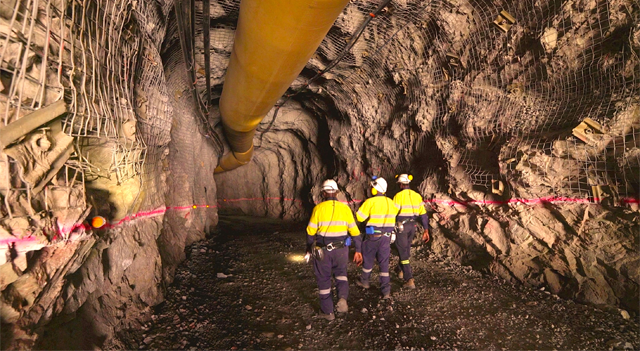
    Empire Metals Limited (LSE:EEE) has completed its largest-ever drilling programme at the Pitfield Titanium Project in Western Australia, with early assay results from the Thomas prospect confirming and extending a significant near-surface, high-grade mineralised zone.

    Initial results from the first 88 holes of a 712-hole अभियान revealed multiple thick intercepts grading above 7% TiO₂, with several intervals exceeding 10% TiO₂ and a peak value of 17.83% TiO₂. These findings further support Pitfield’s position as a large-scale and high-grade titanium system.

    Extensive Drilling Strengthens Resource Potential

    The full campaign covered 712 drill holes totalling 34,844 metres, more than doubling cumulative drilling across the project to 67,846 metres. This expanded dataset is expected to underpin updated resource estimates at the Thomas prospect and contribute to a significant resource increase at Cosgrove later this year.

    Ongoing infill and step-out drilling, combined with more than 17,000 samples currently undergoing laboratory analysis, are aimed at refining the extent of mineralisation and reducing geological uncertainty. The results are also expected to support early-stage economic assessments of the project.

    Outlook Limited by Financial Constraints

    Despite strong exploration progress, Empire Metals’ outlook remains constrained by its financial position, including a lack of revenue, ongoing losses, and continued cash burn, which increase reliance on external funding.

    Market indicators also suggest weak momentum, with the share price trading below key moving averages. While the company maintains a low-debt balance sheet, this has yet to translate into profitability.

    More About Empire Metals Limited

    Empire Metals Limited is a resource exploration and development company focused on advancing large-scale mineral projects. Its flagship asset is the Pitfield Titanium Project in Western Australia, where it is targeting extensive near-surface titanium mineralisation.

    Listed on AIM in London and trading on the OTCQX market in the United States, the company aims to establish itself as a significant participant in the global titanium supply chain through the development of its key assets.

  • Vodafone Moves to Full Ownership of VodafoneThree UK

    Vodafone Moves to Full Ownership of VodafoneThree UK

    Vodafone Group Plc (LSE:VOD) has agreed to acquire CK Hutchison’s remaining 49% stake in the VodafoneThree UK joint venture for £4.3 billion through a share cancellation, giving it complete control of the UK’s largest mobile operator and a rapidly expanding broadband provider.

    The transaction values VodafoneThree at an enterprise value of approximately £13.85 billion and will be funded from existing cash resources. While the deal is expected to slightly increase leverage, it strengthens Vodafone’s strategic control over a key domestic asset.

    Integration Gains and Synergy Potential

    Since the merger of Vodafone UK and Three UK in 2025, the combined business has delivered faster-than-expected integration progress. Improvements have been seen in 5G coverage, network performance, and reliability, alongside stronger customer retention and increased cross-selling of broadband and Fixed Wireless Access services.

    Vodafone believes that full ownership will enable it to accelerate investment in network infrastructure and unlock around £700 million in annual cost and capital expenditure synergies by FY2030. The company also plans to retain VodafoneThree’s existing leadership team and continue operating a multi-brand strategy.

    Regulatory Approval and Strategic Importance

    The deal is expected to complete in the second half of 2026, subject to approval under the UK’s National Security and Investment Act, given Vodafone’s move to full ownership.

    VodafoneThree’s financial results are already fully consolidated within Vodafone’s accounts, and the company intends to host an investor briefing later this year to outline future priorities and growth plans—highlighting the UK business as central to its long-term strategy.

    Outlook Reflects Strategic Progress With Financial Considerations

    Vodafone’s outlook combines positive strategic developments with ongoing financial considerations. Strong technical momentum and constructive management commentary support the investment case, while concerns around financial performance and valuation remain factors for investors.

    Corporate activity, including this transaction, adds further support to the company’s forward outlook.

    More About Vodafone Group Plc

    Vodafone Group Plc is a leading telecommunications provider operating across Europe and Africa, serving more than 360 million customers in 15 countries.

    The group offers mobile and broadband services, alongside extensive subsea cable infrastructure, one of the world’s largest Internet of Things platforms, and digital financial services across African markets, reaching tens of millions of users.

  • UK Oil & Gas Files Retrospective Application to Restart Horse Hill Production

    UK Oil & Gas Files Retrospective Application to Restart Horse Hill Production

    UK Oil & Gas PLC (LSE:UKOG) has submitted a retrospective planning application to Surrey County Council for its Horse Hill oil field, seeking to reinstate the full production consent originally granted in 2019.

    The move follows a 2024 ruling by the UK Supreme Court, which determined that the earlier approval was unlawful due to the omission of downstream greenhouse gas emissions from the environmental assessment.

    Revised Submission Addresses Environmental Requirements

    After the court decision, UK Oil & Gas halted production at Horse Hill in October 2024. Since then, the company has worked with regulators and planning specialists to prepare a revised application.

    The updated submission includes new ecological and environmental studies, technical documentation, and a detailed evaluation of emissions linked to the end use of extracted hydrocarbons—addressing the issues raised by the court.

    Restart Could Support Energy Transition Strategy

    If approved, the application would allow production at Horse Hill to resume on a stable basis, restoring a key revenue stream for the company. UK Oil & Gas has indicated that future income from the field would be reinvested into its transition strategy, including hydrogen storage and other low-carbon energy projects.

    This approach reflects the group’s aim to balance ongoing oil and gas operations with participation in the UK’s broader energy transition.

    More About UK Oil & Gas PLC

    UK Oil & Gas PLC is an AIM-listed energy company focused on onshore oil and gas production in the United Kingdom.

    The company holds a significant operated interest in the Horse Hill field in Surrey and is expanding into clean energy initiatives, including planned hydrogen storage developments and other low-carbon projects in regions such as Dorset and Yorkshire.

  • Altona Rare Earths Reports Resource Growth for Fluorspar and Gallium at Monte Muambe

    Altona Rare Earths Reports Resource Growth for Fluorspar and Gallium at Monte Muambe

    Altona Rare Earths Plc (LSE:REE) has released updated JORC-compliant mineral resource estimates for fluorspar and gallium at its Monte Muambe project in Mozambique, highlighting the project’s expanding scale and multi-commodity potential.

    The company confirmed 3.48 million tonnes of fluorspar-bearing ore with an average grade of 20.6% CaF2. This supports an initial mine life of around 9.5 years based on annual production of 50,000 tonnes of acid-grade concentrate and paves the way for detailed scoping studies.

    Gallium Resource Adds Strategic Upside

    Alongside fluorspar, Altona reported an inferred gallium resource of 11.73 million tonnes grading 54.7 g/t Ga2O3. This is among the few code-compliant gallium resources globally and is believed to be the first defined within a carbonatite system.

    The company sees significant upside potential, noting that only a fraction of identified gallium anomalies has been drilled. Further exploration could expand the resource beyond 40 million tonnes, potentially supporting a standalone gallium development in addition to fluorspar and rare earths operations.

    Development Pathway Strengthens Multi-Commodity Case

    The fluorspar resource, covering both measured and inferred categories across key zones, reinforces the economic case for mine development. Additional exploration targets such as Kudu and Jambire could further scale the project, potentially supporting production of up to 100,000 tonnes per year.

    At the same time, Altona is progressing metallurgical testing programmes for fluorspar in South Africa and gallium in Canada and Poland, alongside ongoing studies into heavy rare earths. Management views Monte Muambe as a project with multiple parallel development pathways, offering several routes to value creation as technical work advances.

    Outlook Impacted by Financial Constraints

    Despite strong project momentum, Altona’s outlook remains constrained by its financial position, characterised by a lack of revenue, ongoing losses, cash burn, and increasing leverage.

    Positive technical indicators, including a share price trading above key moving averages and supportive momentum signals, provide some offset. However, valuation remains limited by negative earnings and the absence of dividend support.

    More About Altona Rare Earths

    Altona Rare Earths Plc is an exploration and development company focused on critical minerals in Africa. Its flagship Monte Muambe project in Mozambique hosts rare earths, fluorspar, and now gallium within a carbonatite deposit.

    Listed in London and on the OTCQB, the company targets materials essential for the energy transition, advanced technologies, and industrial processes, positioning itself within global supply chains for strategically important resources.

  • FTSE 100 Falls as Iran Blockade Continues and Trump Hardens Stance

    FTSE 100 Falls as Iran Blockade Continues and Trump Hardens Stance

    UK equities moved lower on Friday, with the FTSE 100 retreating as geopolitical tensions intensified following Donald Trump’s decision to maintain a naval blockade on Iranian ports. Oil prices remained near multi-year highs, while diplomatic efforts between Washington and Tehran showed little sign of progress.

    As of 07:24 GMT, the FTSE 100 was down 0.36% at 10,341.54. Major European markets, including those in Germany and France, were closed for the May Day public holiday.

    Oil Tensions Persist as Strait of Hormuz Outlook Uncertain

    Trump reaffirmed his commitment to the blockade, amid concerns that the Strait of Hormuz could remain closed for an extended period.

    “Their economy is crashing, the blockade is incredible,” he told reporters at the White House. “Their economy is a disaster. So we’ll see how long they hold out.”

    He also suggested energy prices could fall sharply once hostilities ease. “The gas will go down,” Trump said. “As soon as the war is over, it’ll drop like a rock.”

    According to Axios, Trump received briefings from senior military officials, including Admiral Brad Cooper and General Dan Caine, on potential contingency strike plans aimed at breaking the diplomatic deadlock.

    Escalating Rhetoric from Iran

    Iranian leadership signalled a firm stance, with supreme leader Mojtaba Khamenei vowing to maintain nuclear and missile capabilities. President Masoud Pezeshkian described the blockade as “intolerable.”

    Foreign ministry spokesman Esmaeil Baghaei cautioned that expectations for rapid diplomatic progress were “not very realistic,” while a senior Revolutionary Guards figure warned of “long and painful strikes” against U.S. positions if tensions escalate further.

    Tariff Move on UK Whisky Adds Diplomatic Twist

    In a separate development, Trump announced the removal of tariffs on UK whisky following a state visit by King Charles III.

    “The King and Queen got me to do something nobody else was able to do,” he wrote on Truth Social.

    UK Market Round-Up

    NatWest Group (LSE:NWG) reported a 12% rise in first-quarter profit to £2 billion, beating expectations and upgrading its full-year income outlook toward the upper end of its £17.2–£17.6 billion range.

    Bank of Ireland (LSE:BIRG) reaffirmed its full-year guidance after net loans increased at an annualised 5% to €83.6 billion, while its non-performing exposure ratio improved to 2%.

    Pearson (LSE:PSON) posted a 4% rise in underlying first-quarter sales, supported by strong demand for virtual learning, and said it remains on track to meet full-year targets.

    Data from BDO showed UK discretionary retail sales on a like-for-like basis fell 1.6% in April, marking the weakest performance in a decade outside the pandemic, as higher fuel costs and subdued consumer confidence weighed on spending.

    Meanwhile, Nationwide Building Society reported that UK house prices rose 0.4% in April and were 3% higher year-on-year, although surveyors highlighted softer demand and the broadest monthly decline in prices since January 2024 during March.

  • Diageo Shares Rise as Trump Signals Removal of Whisky Tariffs

    Diageo Shares Rise as Trump Signals Removal of Whisky Tariffs

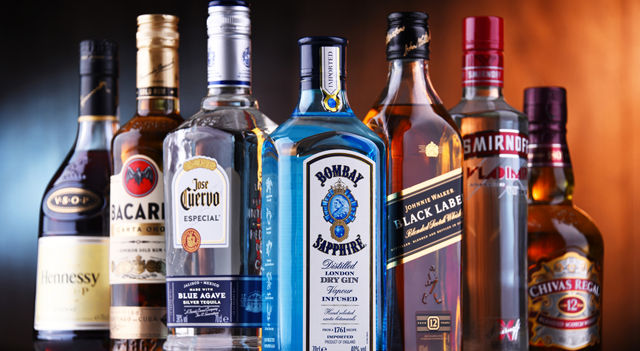
    Shares in Diageo (LSE:DGE) rose almost 2% on Friday after Donald Trump announced plans to lift tariffs on whisky imports following a White House visit by King Charles III and Queen Camilla.

    “In Honor of the King and Queen of the United Kingdom, who have just left the White House, soon headed back to their wonderful Country, I will be removing the Tariffs and Restrictions on Whiskey having to do with Scotland’s ability to work with the Commonwealth of Kentucky on Whiskey and Bourbon,” Trump wrote on Truth Social.

    He added that the royal visit “got me to do something nobody else was able to do, without hardly even asking.”

    Industry Relief After Prolonged Pressure

    The whisky sector has faced sustained pressure from elevated tariffs and declining alcohol consumption. According to the Scotch Whisky Association, the levies have been costing the industry around £4 million per week.

    Diageo, which owns major brands such as Johnnie Walker, Talisker, and Lagavulin, had previously announced plans to scale back production at certain distilleries to offset softer demand conditions.

    Trade Context and Tariff Background

    A trade agreement between the United States and the United Kingdom reached in 2025 maintained a baseline tariff of 10% on most British goods, including whisky. This was a reduction from the первоначально proposed 27.5% rate outlined by Trump earlier in negotiations.

  • AstraZeneca Shares Weaken After FDA Panel Rejects Camizestrant

    AstraZeneca Shares Weaken After FDA Panel Rejects Camizestrant

    AstraZeneca (LSE:AZN) shares moved lower on Friday after an independent advisory panel to the U.S. Food and Drug Administration voted against backing the risk-benefit profile of its experimental breast cancer therapy, camizestrant.

    The stock declined 1.6% in London by 07:37 GMT.

    Advisory Committee Vote Raises Regulatory Concerns

    The FDA’s Oncologic Drugs Advisory Committee voted 6–3 against the oral treatment, which is being developed as a first-line option for a subtype of breast cancer linked to a specific genetic mutation. The panel determined that the drug did not demonstrate a “meaningful benefit” for patients whose disease had not progressed on existing therapies.

    Although such advisory votes are not legally binding, regulators often align with the panel’s recommendations. A final ruling from the FDA is expected at a later date.

    Analysts Flag Impact on Approval Prospects

    The outcome introduces “regulatory overhang and a dent to investor sentiment,” according to analysts at Morgan Stanley led by Sarita Kapila.

    “We see a decreased likelihood of approval in the SERENA-6 setting following the 6–3 negative ODAC vote, though approval remains possible,” they noted.

    Company Response and Trial Data

    AstraZeneca said it was “disappointed” with the panel’s decision but maintained confidence in both its clinical data and the drug’s potential to benefit patients.

    Trial results showed that camizestrant extended the time before disease progression by more than six months. When used alongside other cancer treatments, patients experienced a median progression-free period of 16 months, compared with 9.2 months under the current standard of care.