Category: Top Story

  • Drax strengthens UK energy security with flexible renewables expansion and shareholder returns

    Drax strengthens UK energy security with flexible renewables expansion and shareholder returns

    Drax Group (LSE:DRX) reported a solid start to 2026, with operational performance supporting expectations for full-year adjusted EBITDA in line with market consensus. The outlook is underpinned by strong contracted power sales and index-linked Capacity Market agreements, which provide earnings visibility through to 2043.

    The Drax Group is continuing to expand its flexible generation capabilities across the UK. This includes progress on new open-cycle gas turbine projects, growth in its battery storage pipeline following the acquisition of Flexitricity, and ongoing upgrades at the Cruachan pumped storage facility.

    Capital returns highlight confidence in cash generation

    Drax also signaled confidence in its financial position by announcing a £450 million share buyback program while maintaining its dividend. These moves reflect management’s confidence in the group’s ability to generate strong cash flows and sustain shareholder returns as it positions itself for the long-term transition to a lower-carbon and more secure energy system.

    Financial and technical outlook remain balanced

    The company’s outlook is supported by solid cash generation and manageable leverage, although recent profitability has been more moderate. On the technical side, the stock is trading above key moving averages, with broadly neutral momentum.

    Valuation metrics remain attractive, supported by a favorable price-to-earnings ratio and dividend yield. Management commentary also reinforced expectations for multi-year free cash flow generation and continued shareholder returns. However, these positives are partly offset by impairments and near-term earnings pressure linked to the new Contracts for Difference (CfD) regime.

    More about Drax Group plc

    Drax Group plc is a UK-based energy company focused on renewable and flexible power generation. Its portfolio includes biomass, hydro, pumped storage, open-cycle gas turbines, and battery energy storage. The company also produces biomass pellets, primarily in North America, and plays a significant role in supporting UK energy security by supplying a substantial portion of the country’s renewable electricity.


  • MONY Group maintains growth momentum as AI and membership strategy drive engagement

    MONY Group maintains growth momentum as AI and membership strategy drive engagement

    MONY Group (LSE:MONY) reported solid like-for-like revenue growth in the first four months of 2026, supported by stronger activity in car insurance switching, improved borrowing and banking offers, and increased demand for broadband and energy deals. However, cashback performance remains under pressure amid ongoing economic uncertainty.

    The MONY Group is continuing its strategic transition from one-time users to long-term members through its SuperSaveClub, which now has nearly 2.4 million members. At the same time, the company is expanding its use of artificial intelligence, including enhancements to its MoneySuperMarket ChatGPT app and the rollout of Price Optimiser tools aimed at improving customer engagement and value.

    Shareholder returns and guidance support outlook

    Management reinforced confidence in the company’s trajectory by announcing a £25 million share buyback program. It also reiterated expectations for adjusted EBITDA to come in broadly in line with market forecasts, supporting its longer-term value creation strategy for shareholders.

    Strong fundamentals offset by weaker technical signals

    The company’s outlook is underpinned by strong financial fundamentals, including solid profitability, low leverage, and healthy free cash flow generation. Its valuation also remains attractive, with a relatively low price-to-earnings ratio and a high dividend yield.

    However, technical indicators present a more cautious picture. The stock is currently trading below key moving averages and showing bearish momentum, which may limit near-term upside.

    More about MONY Group plc

    MONY Group plc is the owner of platforms such as MoneySuperMarket and MoneySavingExpert, operating a digital price comparison and personal finance marketplace in the UK. The company connects consumers with providers across insurance, banking, loans, and household services, using a two-sided platform model that leverages data and technology to drive engagement, grow membership, and enhance long-term customer value.

  • European Stocks Decline, Extending Previous Session’s Losses: DAX, CAC, FTSE100

    European Stocks Decline, Extending Previous Session’s Losses: DAX, CAC, FTSE100

    European equities moved lower on Wednesday, continuing the downward trend from the prior session after a report from the The Wall Street Journal indicated that U.S. President Donald Trump was dissatisfied with Tehran’s latest proposal to end the conflict and had directed aides to prepare for a prolonged blockade of Iranian ports.

    Concerns over tighter oil supply pushed Brent crude prices close to $115 per barrel, reigniting worries around inflation and interest rates.

    The FTSE 100 Index fell 0.9%, while France’s CAC 40 Index declined 0.3%. Germany’s DAX Index hovered just below flat.

    Straumann Holding rose nearly 2% after reporting 7.1% organic revenue growth in the first quarter of 2026, ahead of expectations.

    UBS (NYSE:UBS) surged 4.7% after posting an 80% increase in first-quarter profit.

    Sandoz (LSE:0SAN) declined 2.4% despite strong biosimilars growth in the same period.

    Iberdrola (BIT:1IBE), Europe’s largest utility, dropped around 2% after reporting a 15% year-over-year decline in first-quarter net profit.

    GSK (LSE:GSK) fell 1.8% despite delivering solid first-quarter results and reaffirming its 2026 outlook.

    Similarly, AstraZeneca (LSE:AZN) slipped 1.3% even after posting better-than-expected quarterly earnings.

    Lloyds Banking Group (LSE:LLOY) lost 1% after warning about the economic impact of the Iran conflict.

    KPN (EU:KPN) dropped 2.7% after reporting a modest 2.1% increase in first-quarter sales.

    Adidas (TG:ADS) jumped 6% following stronger-than-expected first-quarter operating profit and revenue.

    Deutsche Bank (TG:DBK) fell 1.7% after reporting higher credit risk provisions and adverse currency effects.

  • European Stocks Drift Lower as Earnings, Iran Tensions and Rate Outlook Weigh: DAX, CAC, FTSE100

    European Stocks Drift Lower as Earnings, Iran Tensions and Rate Outlook Weigh: DAX, CAC, FTSE100

    European equities traded slightly weaker in early dealings on Wednesday, with investors balancing a heavy flow of corporate results against geopolitical risks in the Middle East and upcoming central bank policy decisions.

    As of 07:34 GMT, the pan-European Stoxx 600 was down 0.1%. Germany’s DAX edged up 0.1%, while France’s CAC 40 slipped 0.2%. In London, the FTSE 100 declined 0.4%.

    Markets remain cautious as oil prices climb amid the ongoing conflict involving Iran, raising concerns about the broader impact on inflation, corporate earnings, and the trajectory of interest rates.

    Efforts to resolve tensions between the U.S. and Iran continue to stall, with little indication of progress. According to reports, Donald Trump has instructed aides to prepare for a prolonged blockade of Iranian ports, as policymakers face limited options to quickly de-escalate the situation.

    At the same time, the Strait of Hormuz remains largely inaccessible to tanker traffic. Given that the route typically handles about one-fifth of global oil flows, crude prices have remained elevated, fuelling fears of a wider energy shock.

    Earnings Parade

    Against this uncertain backdrop, a number of major European companies released quarterly updates.

    Adidas AG (BIT:1ADS) shares jumped more than 7% in early trading after the group delivered first-quarter operating profit ahead of expectations, despite what it described as a “very volatile and heavily discounted” retail environment.

    UBS Group AG (NYSE:UBS) also moved higher, supported by an 80% surge in first-quarter profit driven by strong trading and client activity amid heightened market volatility.

    STMicroelectronics (BIT:STMMI) advanced to its highest level since 2024 after reporting quarterly results that exceeded forecasts.

    Airbus SE (EU:AIR) edged up after reaffirming its full-year delivery targets, even as it continues to manage engine supply issues from Pratt & Whitney.

    Mercedes-Benz Group AG (TG:MBG) saw modest gains despite reporting lower revenue, largely due to increased competition from Chinese manufacturers.

    Banco Santander (LSE:BNC) traded near unchanged levels after posting a 12.5% rise in underlying net profit for the first quarter.

    GSK plc (LSE:GSK) fell more than 3%, even though it reaffirmed its 2026 outlook for revenue growth and expansion in core operating profit.

    Aena S.M.E. (BIT:1AENA) also declined following the release of its quarterly results.

    Looking ahead, attention is turning to the upcoming interest rate decision from the Federal Reserve later in the day. Policymakers are widely expected to leave rates unchanged, with market focus likely to shift toward guidance on the future path of borrowing costs.

  • FTSE 100 Falls as Iran Blockade Concerns Outweigh Strong Earnings

    FTSE 100 Falls as Iran Blockade Concerns Outweigh Strong Earnings

    The FTSE 100 moved lower on Wednesday as escalating geopolitical tensions overshadowed a series of positive corporate updates. Reports that Donald Trump is considering a prolonged economic blockade of Iran unsettled investors, signalling a shift toward sustained pressure rather than immediate military escalation.

    By 07:58 GMT, the FTSE 100 had declined 0.6%, while the pound weakened against the dollar to 1.3505. European markets also edged lower, with the DAX down 0.2% and the CAC 40 falling 0.4%.

    Market sentiment has been further impacted by stalled negotiations between the U.S. and Iran over Tehran’s nuclear programme, following a fragile ceasefire that has yet to evolve into a broader agreement. A key concern remains the continued disruption in the Strait of Hormuz, a critical passage for global energy supplies that typically handles around 20% of the world’s oil shipments. Iran has indicated it may maintain restrictions on the route in response to U.S. actions, heightening fears of prolonged supply constraints.

    Additional uncertainty has emerged after the United Arab Emirates signalled its exit from OPEC, potentially weakening coordination among oil producers and raising the risk of unaligned production decisions once shipping normalises. Together, these developments have kept oil prices elevated and increased concerns around inflation, tighter financial conditions, and slower global economic growth.

    UK Roundup

    Lloyds Banking Group plc (LSE:LLOY) reported first-quarter pre-tax profit of £2 billion, exceeding expectations on the back of stronger lending income. The bank also flagged risks linked to the Iran situation, taking a £151 million charge while maintaining its 2026 profit outlook.

    Aston Martin Lagonda Global Holdings plc (LSE:ASL) posted a narrower first-quarter operating loss of £56.9 million and secured £50 million in new funding from its core investor group. It reaffirmed full-year guidance but warned that instability in the Middle East could affect regional demand.

    Haleon plc (LSE:HLN) reported organic revenue growth of 2.2%, slightly missing expectations due to weaker international performance. The company maintained its full-year guidance, anticipating stronger contributions from North America.

    Jet2 plc (LSE:JET2) said summer bookings are up 7.7% year on year, reflecting resilient demand for travel. However, it noted that geopolitical uncertainty linked to Iran could affect peak-season occupancy, although fuel costs remain largely hedged.

    AstraZeneca plc (LSE:AZN) exceeded expectations in the first quarter, reporting earnings per share of $2.58 and an 8% increase in revenue to $15.29 billion, driven by strong demand for cancer treatments. The company maintained its full-year outlook.

    GSK plc (LSE:GSK) also delivered better-than-expected first-quarter results, supported by strong sales in respiratory and general medicines, outperforming analyst forecasts on both revenue and profit.

  • Lloyds Banking Group Reports Strong Q1 and Reaffirms 2026 Outlook

    Lloyds Banking Group Reports Strong Q1 and Reaffirms 2026 Outlook

    Lloyds Banking Group plc (LSE:LLOY) delivered a strong performance in the first quarter of 2026, reporting a 33% increase in statutory pre-tax profit to £2.0 billion. The growth was driven by higher net interest income, improved margins, and continued expansion in fee-based services, while operating costs remained controlled and credit quality stayed stable.

    During the quarter, lending volumes rose modestly, with loans increasing by 1%, while customer deposits remained broadly unchanged. The group also maintained solid capital generation, supporting its ability to reaffirm full-year guidance. Management continues to expect higher net interest income, a cost-to-income ratio below 50%, a return on tangible equity above 16%, and strong capital build through 2026, highlighting the resilience of its UK-focused business model despite ongoing economic uncertainty.

    Overall, the outlook is supported by a positive earnings trajectory and a constructive capital return strategy. However, some underlying concerns remain, including higher leverage levels and negative free cash flow over the past two years. Market indicators are broadly supportive, with a positive trend in the share price, though overbought signals suggest some near-term risk. Valuation and dividend yield provide additional support, though they are not considered exceptional.

    More about Lloyds Banking Group

    Lloyds Banking Group plc is a leading UK-focused retail and commercial bank offering a wide range of services, including personal banking, mortgages, business lending, wealth management, and insurance. The group operates through a portfolio of well-established brands and focuses on supporting UK households and businesses through a strategy centred on balance sheet strength, cost efficiency, and disciplined risk management.

  • GSK Delivers Strong Q1 Performance and Advances R&D Pipeline

    GSK Delivers Strong Q1 Performance and Advances R&D Pipeline

    GSK plc (LSE:GSK) began 2026 with solid momentum, reporting first-quarter sales of £7.6 billion, up 5% at constant exchange rates. Growth was driven by a 14% increase in Specialty Medicines, with strong double-digit gains in HIV, respiratory, and oncology treatments. Vaccines recorded modest growth, while general medicines declined. Core operating profit rose 10% and core earnings per share increased 9%, supported by a more favorable product mix, disciplined cost management, and higher royalty income.

    The company generated £0.8 billion in free cash flow during the quarter, enabling continued share buybacks and a 17p dividend. Management reaffirmed its full-year 2026 guidance, targeting low- to mid-single-digit revenue growth alongside high-single-digit expansion in core profit and earnings.

    GSK also highlighted accelerating progress across its research and development pipeline. The quarter included new approvals for treatments in asthma, COPD, and multiple myeloma, as well as global regulatory filings for hepatitis B candidate bepirovirsen. The company reported breakthrough and PRIME designations for its liver disease therapy efimosfermin and outlined plans for several pivotal trial readouts and oncology studies throughout 2026. These efforts are complemented by targeted acquisitions in areas such as food allergy and pulmonary hypertension.

    In addition, GSK confirmed that its 2026 outlook incorporates a new agreement with the U.S. government, which trades lower prescription drug prices for relief from potential Section 232 tariffs on patented pharmaceuticals through early 2029. This arrangement reduces a key policy risk for its U.S. business and provides greater visibility for investors.

    Overall, the company’s outlook is supported by strong profitability, improving fundamentals, and continued pipeline progress. Valuation appears reasonable, with a modest dividend yield, though some caution remains due to technical indicators suggesting overbought conditions and ongoing considerations around balance sheet strength and earnings consistency.

    More about GlaxoSmithKline

    GSK plc is a global biopharmaceutical company focused on developing and commercialising specialty medicines, vaccines, and general pharmaceuticals. It holds strong positions in key therapeutic areas including respiratory, HIV, oncology, and vaccines such as shingles and meningitis. The company aims to drive growth through higher-margin specialty products while managing a more mature general medicines portfolio across major global markets.

  • AstraZeneca Reports Robust Q1 Growth and Advances High-Value Drug Pipeline

    AstraZeneca Reports Robust Q1 Growth and Advances High-Value Drug Pipeline

    AstraZeneca plc (LSE:AZN) delivered a strong start to 2026, posting first-quarter total revenue of $15.3 billion, an 8% increase at constant exchange rates. Growth was led by double-digit gains in oncology and rare diseases, helping drive a 12% rise in core operating profit and a 5% increase in core earnings per share. Management reiterated its full-year outlook, expecting mid-to-high single-digit revenue growth and low double-digit core EPS expansion, supported by a projected 21% core tax rate and improving margins.

    The quarter also featured significant progress in the company’s late-stage pipeline. Positive Phase III trial results were reported for tozorakimab in chronic obstructive pulmonary disease and efzimfotase alfa in hypophosphatasia. AstraZeneca also secured 14 regulatory approvals across major markets and submitted several new applications, highlighting continued momentum in bringing new therapies to market.

    Strategic partnerships further strengthened its long-term growth profile. These included a $1.2 billion upfront collaboration with CSPC Pharmaceutical Group focused on obesity and type 2 diabetes, as well as licensing agreements with Jacobio Pharmaceuticals and Pinetree Therapeutics. These initiatives reflect AstraZeneca’s push into next-generation oncology treatments and metabolic therapies, supporting its ambitions through to 2030.

    Overall, the company’s outlook is underpinned by strong operational performance and a positive earnings trajectory, reinforced by pipeline advancements and strategic deals. However, valuation remains relatively elevated, with a price-to-earnings ratio around 30, while free cash flow has shown some variability. Technical indicators also suggest the stock may be somewhat overextended despite maintaining a broader upward trend.

    More about AstraZeneca

    AstraZeneca plc is a global biopharmaceutical company focused on the development and commercialization of prescription medicines. Its core therapeutic areas include oncology, rare diseases, cardiovascular, renal and metabolic conditions, as well as respiratory and immunology. The company emphasizes innovation through both internal research and strategic collaborations, particularly in advanced areas such as antibody-drug conjugates and next-generation metabolic treatments.

  • Aston Martin Boosts Margins on Specials as Revenue Climbs but Losses Continue

    Aston Martin Boosts Margins on Specials as Revenue Climbs but Losses Continue

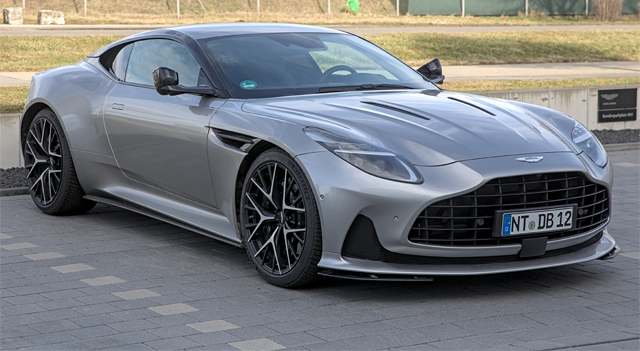
    Aston Martin Lagonda Global Holdings plc (LSE:AML) reported first-quarter 2026 results broadly in line with expectations, with wholesale volumes holding steady at 939 vehicles. Revenue rose 16% to £270.4 million, largely driven by increased deliveries of high-end “Specials,” including 102 Valhalla units. A more premium product mix, combined with ongoing transformation initiatives, helped lift gross margin to 34.7% and pushed adjusted EBITDA into positive territory. However, the company still recorded a loss of £63 million for the quarter, while net debt increased to £1.46 billion, partly due to higher non-cash financing costs.

    Management reaffirmed its full-year 2026 outlook despite ongoing macroeconomic and geopolitical uncertainty. The company highlighted solid retail demand, a stable core order book, and continued expansion of its model lineup, including new DB12 S and Vantage S variants. Liquidity was strengthened through a £50 million committed facility from members of the Yew Tree Consortium, along with proceeds from the sale of Formula 1 naming rights. These measures lifted pro forma liquidity to around £230 million, although free cash outflow remained significant at £117 million during the quarter.

    The broader outlook remains challenged by weak financial fundamentals, including ongoing losses, elevated leverage, and continued cash burn. Technical indicators also point to downside pressure, with the stock trading well below key moving averages and showing negative momentum. While management’s guidance outlines a clearer path to improvement through 2026, near-term risks tied to liquidity and execution remain notable. Valuation support is limited, given the lack of profitability and absence of a dividend.

    More about Aston Martin Lagonda Global Holdings plc

    Aston Martin Lagonda Global Holdings plc is a British producer of luxury vehicles, specialising in high-performance sports cars, grand tourers, and SUVs. The brand operates in the premium and ultra-luxury segments, with a portfolio that includes limited-production Specials such as the Valhalla. Aston Martin sells its vehicles globally, with key markets spanning the Americas, Europe, the Middle East, and Asia-Pacific.

  • Prudential Posts Strong Q1 Growth and Announces Large Share Buyback

    Prudential Posts Strong Q1 Growth and Announces Large Share Buyback

    Prudential plc (LSE:PRU) delivered another quarter of solid expansion, reporting a 10% rise in new business profit to $686 million for Q1 2026. Annual premium equivalent (APE) sales also increased 6% to $1.82 billion on a constant currency basis. Profitability improved, with margins climbing two percentage points to 38%, supported by disciplined pricing strategies, a stronger mix of health and protection products, and continued emphasis on quality growth.

    Performance gains were seen across multiple regions and business lines. Markets such as Hong Kong, Mainland China, and Malaysia contributed strongly, while other Asian regions also supported overall growth. However, shifts in product mix in certain markets, including Singapore, limited the pace of margin expansion. The company pointed to the strength of its diversified distribution network—spanning agency and bancassurance channels—alongside ongoing advancements in agency transformation and digital capabilities. Meanwhile, its asset management arm maintained steady net inflows despite market-driven declines in funds under management. Prudential also announced a $1.2 billion share buyback for 2026, reinforcing its commitment to returning capital to shareholders despite ongoing geopolitical and inflationary pressures in parts of ASEAN.

    The overall assessment reflects a balance of strengths and challenges. Financial quality is improving, with better leverage metrics and a recovery in profitability. However, volatility remains a concern, particularly in earnings, revenue streams, and cash flow, highlighted by a notable drop in free cash flow during 2025. Management guidance and shareholder return initiatives provide a more positive outlook, though technical indicators remain weak, with the stock showing bearish momentum and trading below key moving averages. Valuation appears attractive, supported by a relatively low price-to-earnings ratio and a modest dividend yield.

    More about Prudential

    Prudential plc is an international life and health insurer and asset manager with a strategic focus on high-growth regions including Greater China, ASEAN, India, and Africa. The company offers a wide range of savings, protection, and investment products through a multi-channel distribution model. It maintains dual primary listings in Hong Kong and London, along with secondary listings in Singapore and New York via ADRs, and is a constituent of major market indices in Hong Kong and mainland China.