Blog

  • EBA Says Fragmented EU Banking Market Limits Cross-Border Financing

    EBA Says Fragmented EU Banking Market Limits Cross-Border Financing

    Fragmentation within the European Union’s banking market is limiting lenders’ ability to achieve the scale needed to finance investment in areas including digitalisation, economic security and defence, according to European Banking Authority chair François-Louis Michaud.

    In an interview with Reuters, Michaud said European banks remain highly capitalised and continue to report solid profits, but face constraints arising from differences within the EU’s single market.

    He described the European single market as “not as single as it should be.”

    Europe Faces Investment Requirements Across Multiple Sectors

    “We know that Europe must finance all these transformations: digitalization, the environment, demography, economic security, and defense,” Michaud said. “It’s an existential question for Europe’s future.”

    The European Commission is pursuing measures intended to support investment in digitalisation, defence and economic security.

    Its competitiveness agenda also includes efforts to facilitate cross-border banking activity and deepen integration within the EU single market.

    National Rules Add Costs for Cross-Border Banking

    Michaud said mergers between banks are not the only way to address the issue.

    From the EBA’s perspective, increased cross-border lending and greater financial integration could also contribute to increasing the scale of banking activity within the EU.

    Differences between member states in taxation, insolvency rules and consumer protection requirements can increase the costs and complexity involved when banks offer standardised products across multiple EU markets, Michaud said.

    According to the EBA chair, these differences can also limit banks’ ability to achieve economies of scale across the Union.


  • Christian Dior Shares Rise 16.9% After Arnault Family Announces LVMH Ownership Restructuring

    Christian Dior Shares Rise 16.9% After Arnault Family Announces LVMH Ownership Restructuring

    Christian Dior (EU:CDI) shares rose 16.9% to €427 after the Arnault family group announced a restructuring of the entities through which it controls LVMH (EU:MC), including a planned cash tender offer for minority-held Christian Dior shares.

    The shares reached an intraday high of €433, compared with a 52-week low of €363.80.

    The restructuring was announced on Wednesday evening and involves a series of proposed transactions affecting Financière Agache, Agache and Christian Dior.

    Restructuring Would Create Listed Agache SCA

    Under the proposed structure, Financière Agache would first be absorbed into Agache.

    Agache would then merge into Christian Dior, which would simultaneously be converted into a société en commandite par actions and renamed Agache.

    The transaction would result in the Arnault family’s ownership of LVMH being consolidated within a single listed holding company.

    The resulting entity would directly hold 49.76% of LVMH’s share capital and 65.55% of its voting rights.

    Indicative Tender Offer Price of Approximately €469

    The restructuring would require a cash tender offer for the approximately 2.44% of Christian Dior shares not currently held by the Arnault family group.

    An indicative offer price of approximately €469 per Christian Dior share was provided.

    The price was calculated at 95% of Christian Dior’s look-through net asset value using LVMH’s one-month volume-weighted average share price.

    The final terms of the offer remain subject to the applicable process and regulatory approvals.

    Arnault Family Rules Out Squeeze-Out

    The Arnault family group said it does not intend to implement a squeeze-out following the tender offer.

    As a result, minority shareholders who do not tender their shares would be able to remain shareholders of the newly structured and listed Agache SCA entity.

    Shareholders are expected to vote on the proposed restructuring at extraordinary general meetings in December 2026.

    The formal tender offer is expected to take place during the first quarter of 2027, subject to clearance from France’s Autorité des marchés financiers.

    The transaction therefore remains subject to shareholder votes, regulatory review and completion of the proposed restructuring steps.

  • FTSE 100 Little Changed as Oil Holds Above $103 and U.S. Treasury Yields Remain Elevated

    FTSE 100 Little Changed as Oil Holds Above $103 and U.S. Treasury Yields Remain Elevated

    The FTSE 100 was little changed on Thursday as investors monitored developments in the U.S.-Iran conflict, oil prices above $103 a barrel and elevated U.S. Treasury yields.

    The FTSE 100 was up 0.02% as of 03:22 ET (07:22 GMT). Elsewhere in Europe, Germany’s DAX declined 0.22% and France’s CAC 40 fell 0.28%.

    Sterling was broadly unchanged against the U.S. dollar at $1.3245, up 0.03%.

    The U.S. 10-year Treasury yield remained near its highest level since 2007 after stronger-than-expected business activity data contributed to expectations that interest rates could remain elevated for longer.

    European Leaders Welcome Pakistan Mediation Efforts

    Investors continued to monitor diplomatic developments involving the United States and Iran.

    European Council President Antonio Costa and European Commission President Ursula von der Leyen separately welcomed Pakistan’s mediation efforts on Thursday.

    Iran’s Supreme National Security Council secretary Mohsen Rezaei said Tehran had communicated a five-day deadline for U.S. compliance with demands including the lifting of a naval blockade and the unfreezing of Iranian assets. According to Rezaei, the message was delivered through Qatari and Pakistani mediators.

    Iranian President Masoud Pezeshkian addressed the UN General Assembly on Wednesday, a day after U.S. President Donald Trump made threats against Iran during his own appearance at the gathering.

    The United States and Iran also held their first in-person discussions in months through Qatari intermediaries on the sidelines of the UN General Assembly.

    U.S. Treasury Secretary Scott Bessent said the U.S. pressure campaign was intended to result in either internal political change in Iran or an agreement that Tehran would comply with.

    Strait of Hormuz Traffic Remains Below Average

    Shipping activity through the Strait of Hormuz remained below recent averages.

    Preliminary Reuters shipping data showed 10 commodity vessels transited the waterway on Wednesday, compared with a 10-day moving average of approximately 17.

    U.S. aviation sanctions against Iran also took effect on Wednesday, resulting in the removal of most Iranian flights to Turkey, the UAE and China. Oman, Azerbaijan and Georgia also barred Iranian carriers.

    Brent Trades Above $103 a Barrel

    Brent crude was up 0.15% at $103.17 a barrel, while WTI crude increased 0.10% to $92.22.

    December gold futures settled 0.01% lower at $4,318.17, while spot gold declined 0.10% to $4,283.

    UK Corporate Updates

    Halma (LSE:HLMA) raised its FY2027 adjusted EBIT margin guidance following its first-half trading performance and acquisition activity.

    CVS Group (LSE:CVSG) reported higher full-year revenue, supported by its Australian operations and improved like-for-like sales, while the company resumed UK acquisition activity.

    Mitchells & Butlers (LSE:MAB) reported fourth-quarter like-for-like sales growth and said it expects cost pressures to moderate in FY2027.

    Raspberry Pi (LSE:RPI) reported a 90% increase in first-half revenue as unit shipments increased and demand from OEM and reseller customers grew.

  • Capricorn Energy Expects Production Above Guidance Midpoint as Takeover Offers Remain Active

    Capricorn Energy Expects Production Above Guidance Midpoint as Takeover Offers Remain Active

    Capricorn Energy (LSE:CNE) expects full-year production to exceed the midpoint of its guidance range of 18,000 to 22,000 barrels of oil equivalent per day, supported by output from its operations in Egypt.

    The company reported average working interest production of 19,337 barrels of oil equivalent per day during the first half.

    Capricorn said production levels continued through July and August, with new wells contributing to output.

    First-Half Operating Profit Reaches $56.3 Million

    Capricorn reported an operating profit of $56.3 million for the first half, compared with an operating loss of $2 million in the corresponding period a year earlier.

    Revenue from the company’s Egyptian operations totalled $100 million for the six months ended 30 June.

    Capricorn achieved an average realised oil price of $89.5 per barrel during the period, up from $73.6 per barrel a year earlier.

    DNO and Genel Offers Remain Active

    Capricorn remains the subject of competing takeover proposals from DNO (OSE:DNO) and Genel Energy (LON:GENL).

    Earlier in September, Capricorn accepted a $396 million offer from DNO after the Norwegian oil company submitted a higher proposal than the competing offer from Genel Energy.

    According to Capricorn, both takeover offers remain active.

    The competing proposals remain subject to their respective terms and applicable takeover processes.

  • CVS Group FY26 Revenue Rises 5.9% to £712.8 Million as UK Acquisitions Resume

    CVS Group FY26 Revenue Rises 5.9% to £712.8 Million as UK Acquisitions Resume

    CVS Group (LSE:CVSG) reported a 5.9% increase in full-year revenue to £712.8 million for the year ended 30 June 2026, supported by growth in Australia and an improvement in like-for-like sales.

    Like-for-like sales increased 2.1%, compared with growth of 0.2% in the previous financial year.

    The veterinary group said consumer confidence and extreme heat during May and June affected customer footfall in the fourth quarter.

    Adjusted EBITDA Increases 5.1%

    Adjusted EBITDA rose 5.1% to £141.5 million, while the adjusted EBITDA margin remained unchanged at 19.9%.

    The company recorded the increase despite higher employer National Insurance contributions and wage inflation.

    Adjusted earnings per share increased 6.9% to 85.6 pence.

    Statutory profit before tax, however, declined to £32 million from £32.6 million. CVS attributed this to factors including higher depreciation following investment, costs associated with the Competition and Markets Authority investigation and expenses related to the group’s move from AIM to the London Stock Exchange’s Main Market in January.

    CVS Resumes UK Acquisition Activity

    The Competition and Markets Authority published its final remedies order on 22 September, enabling CVS to resume acquisition activity in the UK.

    CVS said it has exchanged contracts to acquire a two-site veterinary practice for an initial consideration of £15 million and has identified further potential acquisition opportunities.

    In Australia, revenue increased to £79.1 million from £52.1 million.

    The number of Australian practices increased to 57 from 43, with the country accounting for approximately 11% of group revenue.

    Net Bank Borrowings Rise to £199.6 Million

    Net bank borrowings increased to £199.6 million from £131.4 million, while leverage rose to 1.63 times from 1.18 times.

    The increase followed expenditure on acquisitions, capital investment and share buybacks.

    CVS completed a £20 million share buyback in January 2026 and launched a further £50 million programme in May, which remained in progress at the reporting date.

    Final Dividend Increased to 9 Pence

    The board recommended a final dividend of 9 pence per share, compared with 8.5 pence for the previous year.

    Subject to the applicable approval process, the dividend is due to be paid on 4 December.

    CVS is also progressing its search for a successor to chief executive Richard Fairman, who announced in March that he planned to retire. The company said the search process was well underway.

  • Raspberry Pi H1 Revenue Rises 90% to $256.9 Million as Shipments Reach 4.2 Million Units

    Raspberry Pi H1 Revenue Rises 90% to $256.9 Million as Shipments Reach 4.2 Million Units

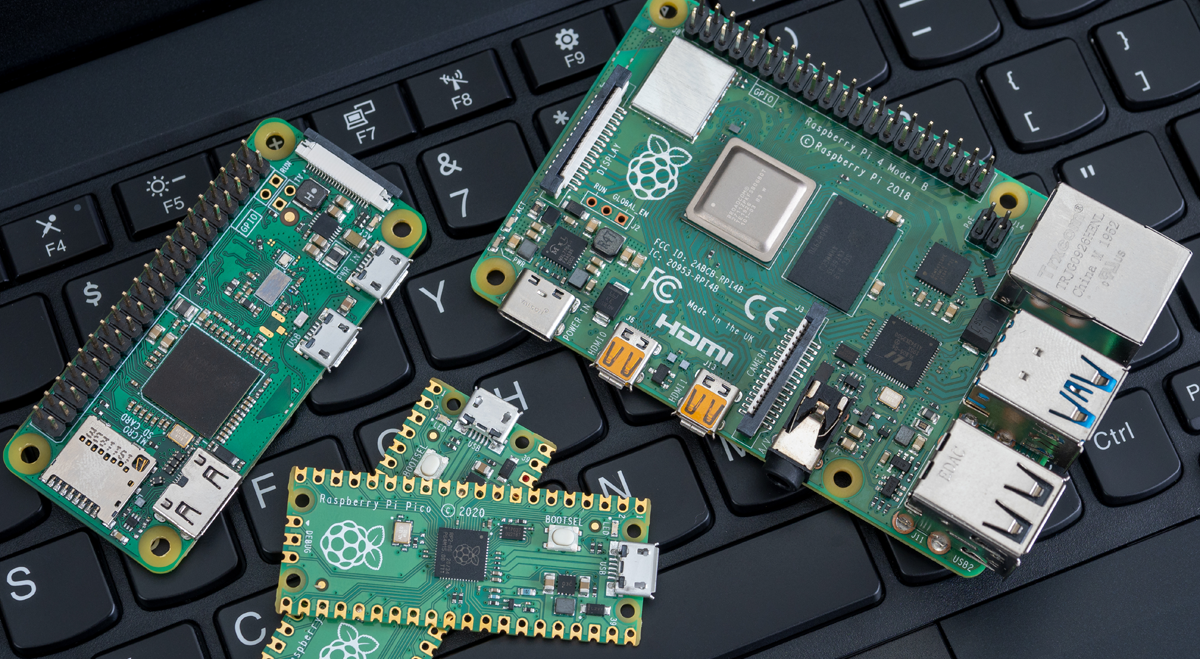
    Raspberry Pi Holdings (LSE:RPI) reported revenue of $256.9 million for the first half of 2026, an increase of 90% from the corresponding period a year earlier, as unit shipments and demand from OEM and reseller customers increased.

    Adjusted EBITDA more than doubled to $40.3 million, while profit before tax rose 216% to $19.6 million.

    Gross profit increased 79% to $59.4 million, with gross profit per board rising 53% to $12.2.

    Gross Margin Declines as Memory Costs Increase

    Raspberry Pi reported a slight decline in gross margin during the period as higher memory costs were passed through to customers.

    The company shipped 4.2 million units during the first half, representing an increase of 17% year on year.

    Direct shipments increased 26% to 3.4 million units.

    Raspberry Pi said demand came from both OEM and reseller customers, with applications including smart home products and the aerospace and defence sectors.

    Order Backlog Doubles to 2.6 Million Units

    The company’s order backlog increased to 2.6 million units, twice the level reported previously.

    Raspberry Pi increased inventory and diversified its supplier base as it sought to maintain product availability during disruption in the memory market.

    Management expects unit volumes to increase during the second half of the year and is expanding production capacity to support anticipated demand.

    The company also reported an OEM pipeline covering applications including industrial computing and edge artificial intelligence. These expectations remain subject to future demand and operating conditions.

    About Raspberry Pi Holdings

    Raspberry Pi Holdings is a Cambridge-based computing company supplying general-purpose computing platforms to industrial, embedded, enthusiast and education customers.

    Its engineering activities cover semiconductor intellectual property, hardware design, software engineering and compliance.

    The company also operates in the semiconductor market and said more than 77 million Raspberry Pi units have been sold to date.

  • Vistry Group Reports First-Half Loss as Strategic Review Reduces Regional Structure

    Vistry Group Reports First-Half Loss as Strategic Review Reduces Regional Structure

    Vistry Group (LSE:VTY) reported a loss for the first half of 2026 as revenue and housing completions declined and the company recognised exceptional charges during the period.

    The charges included a goodwill impairment and an increase in provisions associated with building safety.

    Net debt also increased during the period amid pressure on cash generation. Vistry discounted certain open-market housing inventory and recorded approximately £50 million of impacts associated with the early stages of its strategic review.

    Strategic Review Reduces Regions From 25 to 12

    Chief executive Adam Daniels has completed a strategic review of the business, resulting in plans to operate Vistry as a smaller and more geographically focused mixed-tenure housebuilder.

    Under the revised structure, the number of operating regions will be reduced from 25 to 12.

    The company also plans to simplify its products and operating processes and reduce and reshape its owned land bank.

    In the South East, Vistry intends to move to a fully pre-sold operating model.

    Vistry Targets 12,000 Annual Completions

    As part of the revised strategy, Vistry is targeting annual housing completions of 12,000 units.

    The company plans for approximately 60% of completions to be partner-funded, with the remaining 40% allocated to the open market.

    Vistry is also targeting annual overhead savings of £50 million as it implements the restructuring.

    The company intends to participate in the UK government’s new Social and Affordable Housing Programme as part of its mixed-tenure strategy.

    Strategy Targets Lower Leverage and Cash-Backed Earnings

    Vistry said the revised strategy is intended to produce more consistent, cash-backed earnings and reduce leverage.

    Implementation will involve changes to the group’s regional structure, land holdings, product range and mix between partner-funded and open-market housing.

    The targets remain management objectives and are subject to execution of the restructuring and future market conditions.

    About Vistry Group

    Vistry Group is a UK housebuilder operating a mixed-tenure model across open-market, affordable and private rented sector housing.

    The company works with housing associations and institutional partners and operates across regions including the North, Midlands, West and South East of England.

  • ASOS Reports Gross Margin Above 50% as GMV Returns to Growth in Fourth Quarter

    ASOS Reports Gross Margin Above 50% as GMV Returns to Growth in Fourth Quarter

    ASOS (LSE:ASC) reported an adjusted gross margin of more than 50% for its 2026 financial year, while adjusted EBITDA finished above the midpoint of the company’s guidance range.

    The online fashion retailer said profitability was supported by changes to sourcing, lower product returns and cost controls.

    Full-year gross merchandise value declined 5%, although ASOS reported a return to GMV growth during the fourth quarter, when it increased at a low single-digit rate.

    Womenswear GMV Increases 3%

    ASOS reported positive fourth-quarter trading in markets including the UK, Germany and the U.S.

    Its priority Womenswear category recorded GMV growth of 3% over the full financial year.

    The company ended the year with 16.4 million active customers and reported its first quarter of year-on-year active customer growth since 2022, supported by new customer acquisition.

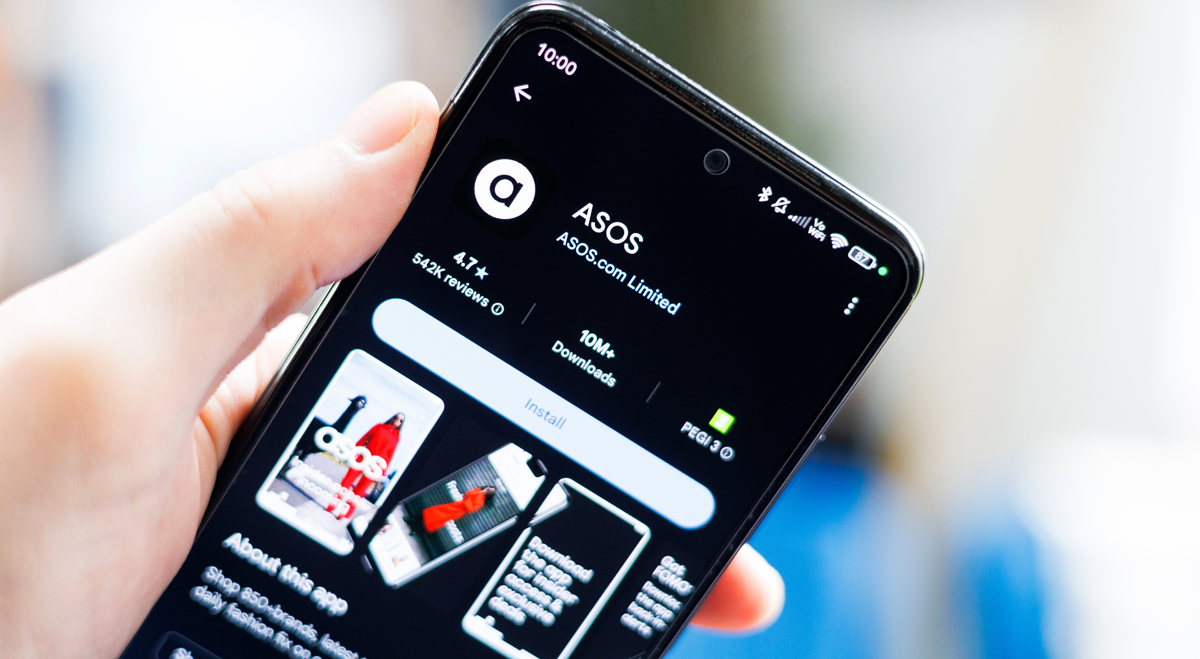
    ASOS said changes to its app and the use of AI-based personalisation are being used to increase customer engagement and conversion.

    Net Debt Reduced to Around £110 Million

    ASOS ended FY26 with net debt of approximately £110 million.

    The company also generated approximately £116 million from the disposal of warehouses it classified as non-core.

    ASOS said the transactions released capital and reduced associated annual costs, with the company planning to reinvest in initiatives intended to support future growth.

    About ASOS

    ASOS is an online fashion retailer serving customers across more than 100 markets.

    Its offering includes own and associated brands such as ASOS DESIGN, Topshop and ARRANGE alongside products from third-party fashion brands.

    The company had 16.4 million active customers at the end of the 2026 financial year and operates primarily through its digital and app-based retail platforms.

  • Empire Metals Produces 99.2% TiO2 Rutile Pigment From Pitfield Ore

    Empire Metals Produces 99.2% TiO2 Rutile Pigment From Pitfield Ore

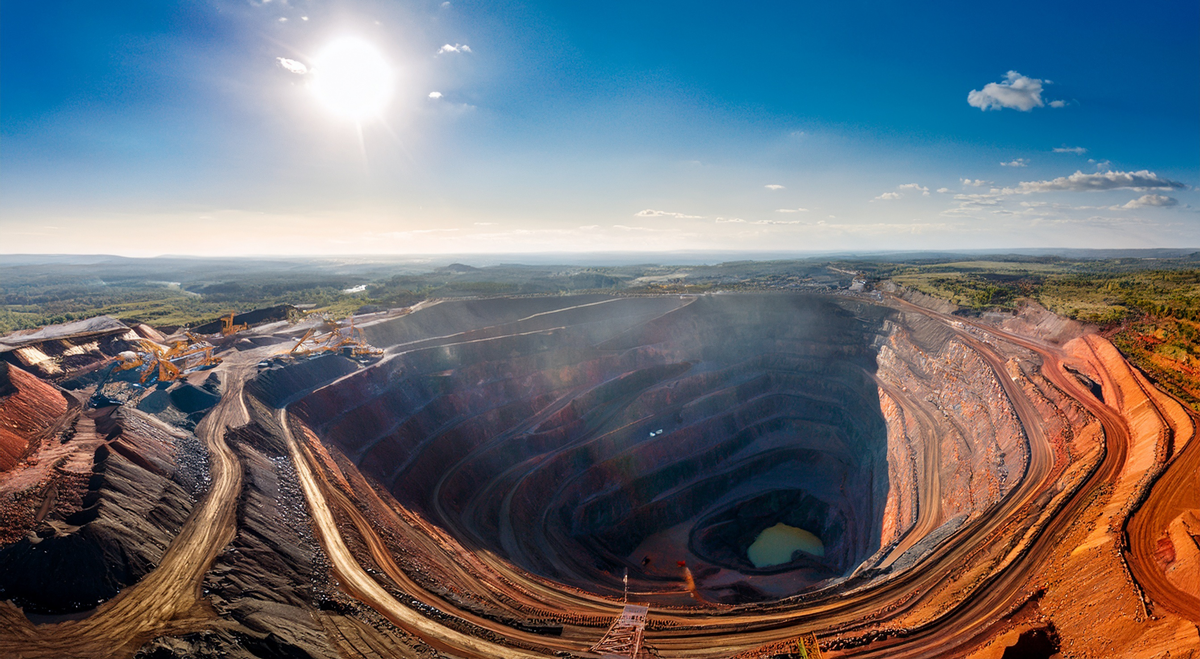
    Empire Metals (LSE:EEE) has produced an uncoated rutile titanium dioxide pigment from weathered ore at its Pitfield Titanium Project in Western Australia as it continues metallurgical testwork on potential end products from the deposit.

    The company used a tailored processing flowsheet known as the Empire Process to convert material from Pitfield into a high-purity anatase TiO2 intermediate and subsequently into rutile pigment.

    Recent testwork produced rutile pigment with a calculated purity of approximately 99.2% TiO2.

    Testwork Targets Coated Rutile Pigment

    Following production of the uncoated material, Empire is progressing testwork aimed at producing coated rutile pigment for use in architectural coatings.

    The company said it is working to optimise impurity rejection and finishing parameters to meet specifications required for architectural paint applications.

    Empire has also engaged specialist advisers to assist with the design of finishing facilities required for coated pigment production.

    According to the company, Tier 1 coated rutile pigments currently command prices of approximately US$3,250 per tonne. This figure relates to the referenced market and does not represent a forecast selling price for future Pitfield production.

    Pitfield Ore Contains Low Levels of Certain Impurities

    Empire said testwork has identified low levels of deleterious elements, including radionuclides and heavy metals, in the weathered Pitfield material being evaluated.

    The company is assessing whether these characteristics could simplify impurity removal during processing compared with conventional sulphate processing of ilmenite.

    Further optimisation and testwork are being undertaken as Empire develops the proposed processing route.

    Empire Evaluates Titanium Pigment and Metal Feedstock Markets

    Empire is working with TiPMC Consulting on a marketing strategy focused on supplying coated rutile pigment to the architectural coatings and paint sector.

    The company is also evaluating the potential production of high-purity titanium material suitable for use as feedstock for titanium sponge and metal production.

    Empire Metals is an exploration and development company whose principal asset is the Pitfield Titanium Project in Western Australia.

  • Living REIT Net Rental Income Rises 2.3% as Senior Living Acquisition Expands Portfolio

    Living REIT Net Rental Income Rises 2.3% as Senior Living Acquisition Expands Portfolio

    Living REIT (LSE:LIVE) reported a 2.3% increase in net rental income to £20.2 million for the six months ended 30 June 2026, while adjusted earnings per share rose 2.2% to 3.42 pence.

    The company said its performance was supported by inflation-linked rent reviews and a stabilised property portfolio.

    Dividend cover for the period was 1.20 times, while Living REIT increased its annual dividend target by 3%. EPRA net tangible assets were broadly unchanged at 95.36 pence per share.

    Senior Living Acquisition Adds 2,163 Homes

    Following the end of the reporting period, Living REIT broadened its investment mandate and completed the acquisition of a senior living portfolio comprising 2,163 homes.

    The transaction increased the group’s pro-forma gross asset value to approximately £825 million.

    The company said the acquisition also reduced its exposure to individual counterparties by expanding and diversifying its portfolio.

    Living REIT expects the acquired portfolio to deliver high single-digit earnings accretion. This remains a company expectation rather than an achieved financial result.

    Debt Costs Average 3.16%

    Living REIT reported a weighted average cost of debt of 3.16%, with its borrowings predominantly fixed-rate and long-dated.

    The company also made changes to its sustainability governance during the period and reported improvements in external ESG assessments, alongside being shortlisted for several industry awards.

    About Living REIT

    Living REIT is a UK-listed real estate investment trust focused on residential property assets.

    Its portfolio includes specialised supported housing, senior living and care homes, with rental arrangements designed to generate long-term income, including inflation-linked rents.