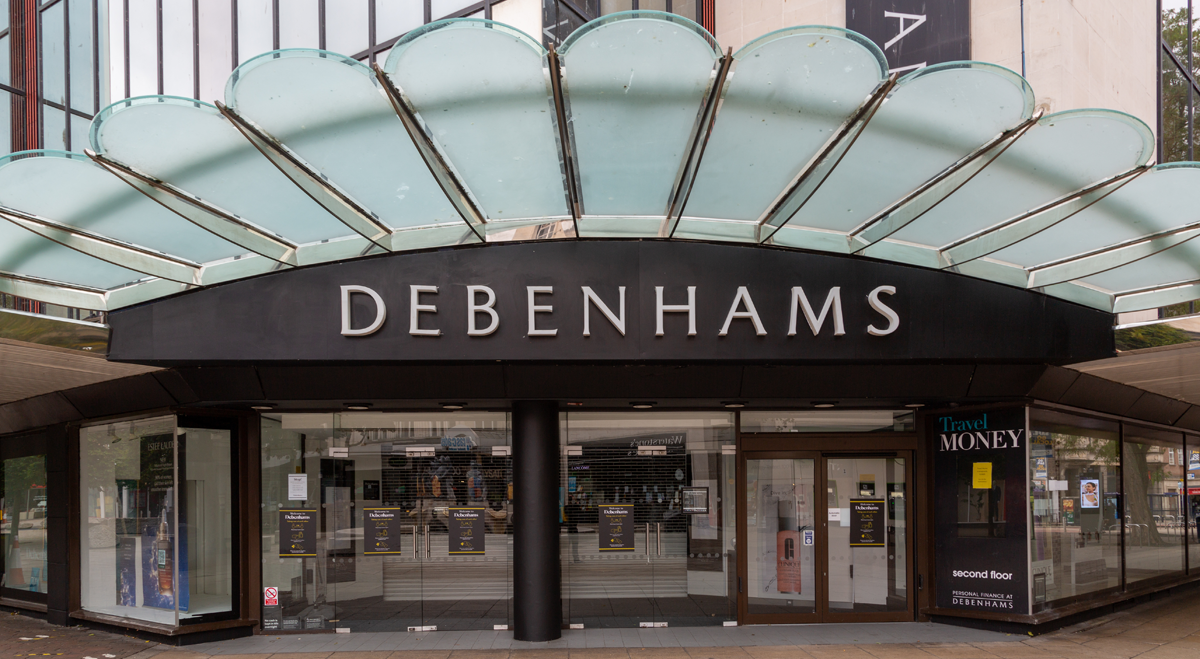
Debenhams Group (LSE:DEBS) reported a 13.9% increase in adjusted EBITDA to £24 million for the six months ended 31 August 2026, supported by higher gross margins, lower returns and an increased contribution from its marketplace operations.
Group gross merchandise value (GMV) rose 1.8% year on year, with growth accelerating in the second quarter compared with the first.
The Debenhams brand recorded GMV growth of 14.1% and accounted for approximately 41% of total group GMV. PrettyLittleThing, boohoo and Karen Millen also returned to growth during the period.
Marketplace transactions represented 38.9% of group GMV, the highest proportion reported by the company to date.
Reported EBITDA reached £20 million, compared with a loss of £3 million in the corresponding period last year.
Following the period-end, Debenhams Group completed disposals involving its Sheffield distribution centre automation assets and the Nasty Gal brand as part of its transition towards a business model with reduced ownership of operational assets.
The Sheffield transaction includes the transfer of fulfilment activities to a global third-party logistics provider. The company expects fulfilment costs to remain broadly in line with previous levels while reducing fixed operating costs and depreciation.
The group is also reducing capital expenditure and net debt as it continues its restructuring programme.
Management has reiterated guidance for double-digit adjusted EBITDA growth, a positive pre-tax profit and positive free cash flow, alongside a target of negligible net debt by the financial year-end.
The company is pursuing a fixed-cost reduction programme targeting £100 million and expects additional savings in FY28 from lower interest expenses, lease costs and depreciation.
Debenhams Group operates five principal digital destinations: Debenhams, Karen Millen, boohoo, MAN and PrettyLittleThing.
Its online marketplace model incorporates approximately 30,000 brands and partners across fashion, home and beauty categories.
The company is continuing to expand its marketplace operations while reducing its directly owned fulfilment infrastructure and associated operating costs.
Leave a Reply