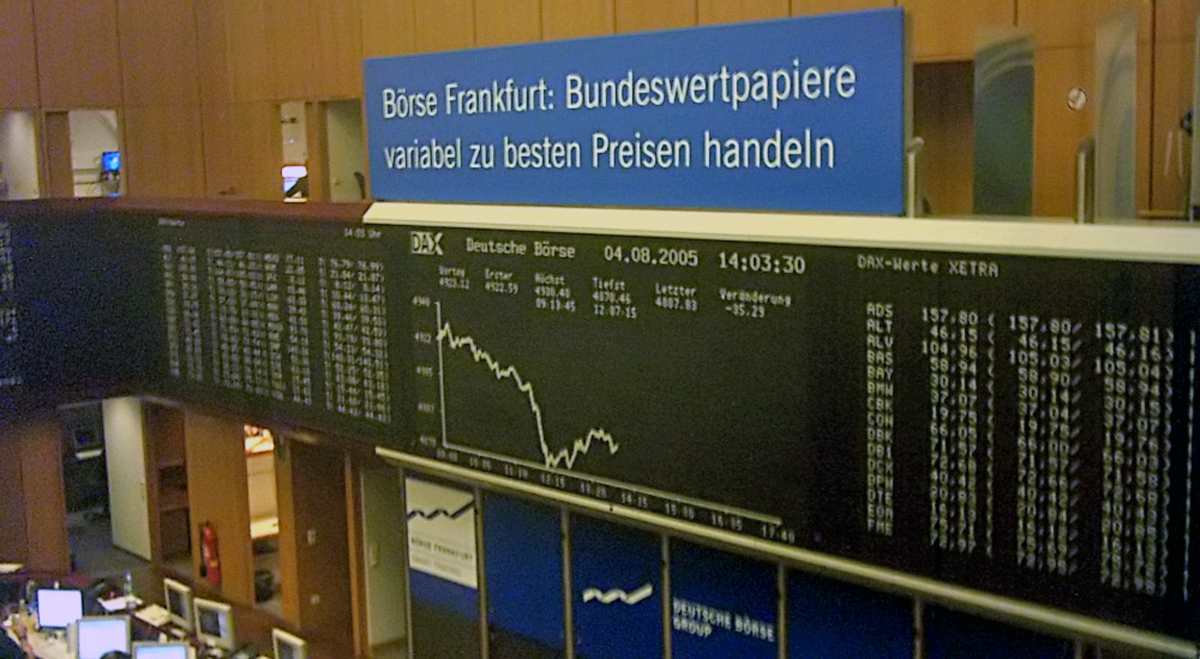
European stock markets moved higher on Friday, recovering some of the losses recorded earlier in the week as volatility in government bond markets moderated. However, regional equities remained on course for a weekly decline amid concerns about French public finances, rising borrowing costs and geopolitical tensions.
The pan-European Stoxx Europe 600 index advanced 0.8% in early trading after falling to its lowest level in almost four months during the previous session.
France’s CAC 40 and Britain’s FTSE 100 each gained 0.8%, while Spain’s IBEX 35 rose 1%.
Despite the recovery, the Stoxx Europe 600 remained approximately 1% lower for the week, reflecting several sessions of selling across European equity and fixed-income markets.
Investor concerns have centred partly on France’s fiscal outlook, with public debt projected to approach 120% of gross domestic product.
The French government also faces political challenges in implementing proposed budget reductions totalling €54 billion, given the fragmented composition of the country’s legislature.
These concerns contributed to selling in French government bonds earlier in the week, pushing the benchmark 10-year yield towards its highest level in approximately 25 years.
The spread between French and German government bond yields widened beyond 140 basis points, reflecting an increased premium demanded by investors to hold French sovereign debt.
Pressure also extended to Italian and Greek government bonds, while higher sovereign yields contributed to concerns about equity valuations and corporate financing conditions.
French equities were among the weaker performers over the week.
The CAC 40 remained close to its lowest levels since March and was heading towards a weekly decline exceeding 2%, which would mark its second consecutive weekly loss.
French banking shares experienced selling pressure, including BNP Paribas (EU:BNP), Crédit Agricole (EU:ACA) and Société Générale (EU:GLE).
Investors assessed the potential effects of higher sovereign bond yields on banks’ securities portfolios, refinancing expenses and credit risk.
Rising government borrowing costs can reduce the market value of existing fixed-rate bond holdings, although the financial impact depends on individual banks’ portfolio structures, accounting classifications and risk management arrangements.
Reports of substantial debt issuance by major US technology companies also formed part of the wider fixed-income market backdrop.
Increased corporate bond supply can compete with sovereign debt for investor capital, potentially influencing borrowing costs and credit spreads.
Energy market developments added to uncertainty during the week.
Missile and drone attacks affecting commercial shipping and energy infrastructure in the Persian Gulf and Red Sea contributed to concerns about supply disruptions.
Crude oil prices moved above $100 per barrel, while European wholesale natural gas prices exceeded €80 per megawatt-hour during the period.
Higher energy prices can increase costs for European businesses and households, while also complicating the inflation outlook for central banks.
Monetary policy expectations were another consideration for investors.
Minutes from the Federal Reserve’s September meeting indicated that a majority of US policymakers considered further interest rate increases necessary before the end of the year.
The prospect of additional monetary tightening contributed to uncertainty about the outlook for global borrowing costs and economic activity.
In France, Bank of France Governor Emmanuel Moulin described the country’s economic situation as “serious”, while indicating that intervention from the European Central Bank was not required.
His comments came amid continued debate over France’s fiscal position and the potential implications of elevated government borrowing costs.
Friday’s gains represented a partial recovery following the week’s declines, rather than a reversal of the broader market trend.
European equities remained sensitive to developments in sovereign bond markets, energy prices, central bank policy and the political outlook for French public finances.
Leave a Reply