Category: Top Story

  • ValiRx establishes veterinary oncology division to target expanding animal cancer therapeutics market

    ValiRx establishes veterinary oncology division to target expanding animal cancer therapeutics market

    ValiRx (LSE:VAL) has formed a new wholly owned subsidiary, ValiRx Animal Health Limited, aimed at advancing and commercialising its oncology pipeline within the veterinary sector. The initiative draws on comparative oncology research, where naturally occurring cancers in dogs can serve as clinically meaningful models for human disease. The company believes the new division will enable development programmes focused on cancers such as osteosarcoma, lymphoma and hemangiosarcoma, while benefiting from shared preclinical research, earlier clinical insights and access to dedicated specialist funding streams within a veterinary oncology market expected to grow rapidly over the coming decade.

    The strategy will initially prioritise canine osteosarcoma, a disease that closely resembles rare paediatric osteosarcoma in humans. ValiRx expects that clinical data generated in animals could both improve treatment outcomes for pets and reduce development risk for human therapies. Such an approach may also support eligibility for orphan drug incentives and accelerated regulatory pathways, potentially lowering development costs and shortening timelines. Backed by in vitro screening capabilities at its contract research organisation Inaphaea Biolabs, the company aims to create earlier commercial opportunities through partnerships with veterinary pharmaceutical companies while reinforcing its broader oncology development model spanning both animal and human health applications.

    ValiRx plc’s investment outlook continues to be influenced by financial challenges, including ongoing losses and reliance on external funding. Technical indicators currently point to a bearish trend, although some potential upside remains. Valuation metrics appear less attractive, reflecting a negative price-to-earnings ratio and the absence of a dividend.

    More about ValiRx plc

    ValiRx plc is a London-listed life sciences company focused on early-stage cancer therapeutics and women’s health. The group applies research and drug development expertise to progress innovative scientific concepts into clinical-stage assets attractive to partners and investors. Operating through subsidiary structures, ValiRx advances oncology and related programmes from preclinical development toward licensing or partnership agreements, and trades on AIM under the ticker VAL.

  • European Markets Trade Mixed as AI Disruption Fears Weigh on Sentiment: DAX, CAC, FTSE100

    European Markets Trade Mixed as AI Disruption Fears Weigh on Sentiment: DAX, CAC, FTSE100

    European equities showed a mixed performance on Friday, with investors remaining cautious amid ongoing concerns about job losses and workplace disruption linked to the rapid adoption of artificial intelligence.

    Block (NYSE:XYZ), the payments company led by Twitter co-founder and CEO Jack Dorsey, recently announced plans to cut roughly 40% of its workforce as automation driven by artificial intelligence reshapes operations.

    On the macroeconomic front, U.K. consumer confidence unexpectedly weakened in February, falling to its lowest level in three months instead of posting the modest improvement economists had anticipated.

    The U.K. consumer confidence index declined to -19 from -16 in January, according to the Consumer Confidence Barometer compiled by GfK and the Nuremberg Institute for Market Decisions (NIM). Economists had forecast a slight rise to -15, making the latest reading the weakest since November.

    Sterling slipped to a more than two-month low against the euro amid political uncertainty following a Green Party victory in a special election in England.

    The euro traded within a tight range against the U.S. dollar after reports indicated the European Central Bank reduced its exposure to dollar assets in early 2025.

    Among major benchmarks, London’s FTSE 100 gained 0.3%, while Germany’s DAX fell 0.2% and France’s CAC 40 declined 0.6%.

    At the stock level, French steel pipe manufacturer Vallourec (EU:VK) advanced after reporting fourth-quarter revenue that exceeded expectations.

    Swiss reinsurer Swiss Re (TG:SR9) also posted strong gains after announcing a 47% increase in net profit for 2025.

    In contrast, London-listed recruitment firm Hays (LSE:HAS) dropped sharply following a significant decline in first-half earnings.

    Melrose (LSE:MRO), owner of GKN Aerospace, also fell after issuing a 2026 revenue outlook below market forecasts.

    Belgian telecom group Proximus (EU:PROX) moved notably lower after announcing job reductions and dividend cuts following a 6.6% year-over-year revenue decline in the fourth quarter.

    German online food delivery platform Delivery Hero (TG:DHER) also declined after reporting annual gross merchandise value (GMV) slightly below analyst expectations.

  • European Stocks Little Changed as Earnings Season Continues and Inflation Data Looms: DAX, CAC, FTSE100

    European Stocks Little Changed as Earnings Season Continues and Inflation Data Looms: DAX, CAC, FTSE100

    European equity markets traded cautiously on Friday as investors reviewed another round of corporate earnings while monitoring key inflation releases toward the close of a busy week.

    At 08:10 GMT, Germany’s DAX was broadly unchanged, France’s CAC 40 edged down 0.1%, and the U.K.’s FTSE 100 gained 0.2%.

    Earnings season remains in focus

    Investors continued to analyse company results as Europe’s reporting season approached its final stages. More than half of companies in the STOXX 600 have now released fourth-quarter figures, with overall earnings slightly exceeding expectations — a trend that helped push the benchmark index to record highs on Thursday.

    Swiss Re (TG:SR9) reported record annual net income of $4.76 billion, representing a 47% increase year over year. However, the reinsurer’s life and health division fell short of targets after booking a $650 million charge linked to assumption updates affecting underperforming portfolios in Australia, Israel, and South Korea.

    BASF (TG:BAS) announced a 9.5% decline in full-year earnings, with its core chemicals division nearly breaking even during the fourth quarter. The German chemicals group relied heavily on reduced capital spending to support free cash flow generation.

    Holcim (TG:HLBN) achieved a record recurring EBIT margin of 18.3% in 2025, an improvement of 80 basis points, following the spin-off of its North American operations and new acquisition agreements involving European walling manufacturer Xella and a majority stake in Peru’s Cementos Pacasmayo.

    Melrose Industries (LSE:MRO) posted a 23% increase in adjusted operating profit for 2025 and returned to positive free cash flow for the first time in two years. Net debt rose, however, as the British aerospace and defence group distributed £255 million to shareholders through dividends and share buybacks.

    Netflix steps back from Warner Bros bidding contest

    In U.S. corporate developments, Netflix (NASDAQ:NFLX) said Thursday it would not increase its bid for Warner Bros Discovery (NASDAQ:WBD) after Warner Bros concluded that a revised offer from Paramount Skydance (NASDAQ:PSKY) qualified as a superior proposal under the terms of its merger agreement with the streaming company.

    “We’ve always been disciplined, and at the price required to match Paramount Skydance’s latest offer, the deal is no longer financially attractive, so we are declining to match the Paramount Skydance bid,” Netflix co-CEOs Ted Sarandos and Greg Peters said in a statement.

    Inflation data draws attention

    On the macroeconomic front, France reported fourth-quarter GDP growth of 0.2%, matching expectations. Consumer prices in the country rose 0.7% in February after declining 0.3% the previous month.

    Germany’s inflation figures are due later in the session, with European Central Bank policymakers expected to scrutinise the data closely ahead of their next monetary policy meeting scheduled for mid-next month.

    Oil prices head toward weekly decline

    Oil markets moved slightly higher on Friday but remained on track for weekly losses after the United States and Iran agreed to continue discussions over Tehran’s nuclear programme, easing fears of supply disruptions linked to escalating geopolitical tensions.

    Brent crude futures rose 0.7% to $71.29 per barrel, while U.S. West Texas Intermediate futures gained 0.8% to $65.74 per barrel.

    For the week, Brent prices were broadly flat, while WTI was set to decline by roughly 1%, partially reversing gains from the previous week.

    Negotiations between Washington and Tehran concluded Thursday without a definitive agreement, but both sides plan to resume technical-level talks next week in Vienna, according to Omani Foreign Minister Sayyid Badr Albusaidi in a post on X following meetings in Geneva.

    Tensions surrounding Iran have been a key influence on oil markets throughout February, as the United States deployed significant military assets to the Middle East and warned of potential action should Tehran reject a negotiated settlement.

  • IAG Operating Profit Rises in 2025, Beating Market Forecasts

    IAG Operating Profit Rises in 2025, Beating Market Forecasts

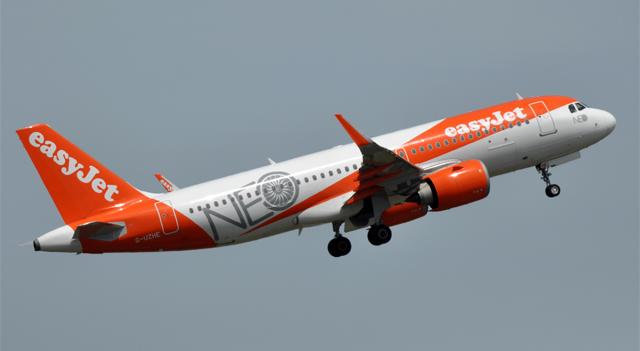
    International Airlines Group (LSE:IAG) reported annual results on Friday that exceeded analyst expectations, supported by lower fuel expenses and sustained demand across its core transatlantic network, particularly for premium cabin travel.

    The airline group, which owns British Airways, posted adjusted operating profit of €5.02 billion, up 3.5% year on year and above the €4.97 billion forecast compiled by LSEG analysts.

    Revenue increased 3.5% to €33.21 billion, compared with €32.10 billion recorded in 2024.

    Operating margin improved by 1.3 percentage points to 15.1%, while adjusted earnings per share rose 22.4% to 69.5 euro cents. Free cash flow totalled €3.1 billion, down from €3.6 billion a year earlier but still characterised by the company as a strong performance.

    Return on invested capital (ROIC) also strengthened, reaching 18.5% compared with 17.3% in 2024.

    Looking ahead, the group said it is “positively positioned for 2026.”

    “The outlook for travel trends continues to be supportive, particularly in our core markets. We will continue to execute on our strategy, supported by our transformation programme,” it said.

    IAG added that it intends to return €1.5 billion ($1.77 billion) of surplus cash to shareholders over the next 12 months, starting with a €500 million share buyback programme expected to be completed by the end of May 2026.

  • Rightmove Reports Strong Profit Growth and Expands AI Strategy in 2025

    Rightmove Reports Strong Profit Growth and Expands AI Strategy in 2025

    Rightmove (LSE:RMV) delivered solid results for 2025, with revenue increasing 9% to £425.1 million, operating profit rising 12%, and basic earnings per share climbing 15%. Growth was supported by a modest increase in estate agency membership and higher adoption of premium, product-focused advertising packages. Average revenue per advertiser grew 6%, while strategic segments — including commercial property, mortgages, and rental services — recorded combined revenue growth of 25%. The company returned close to £220 million to shareholders through dividends and share buybacks, alongside announcing an additional £90 million repurchase programme and an increased final dividend.

    Operationally, Rightmove strengthened its leading consumer position, achieving record levels of online property search engagement, increased app usage, and improved social media reach. Agency retention remained above 90%, while new estate agent formation reached record levels. The company also accelerated its technology development, rolling out 31 active AI initiatives, delivering thousands of product updates, and expanding a multi-year partnership with Google Cloud. New AI-powered tools for agents and consumers are designed to enhance platform value and support sustained double-digit growth over the medium term, supported by improving property market conditions.

    Rightmove’s outlook benefits from strong financial performance and positive sentiment following its earnings update, although technical indicators suggest some near-term market caution and valuation metrics remain moderate. Ongoing share buybacks continue to support shareholder returns, but market momentum remains an area to monitor.

    More about Rightmove

    Rightmove plc operates the UK’s largest online property portal, connecting estate agents, new homes developers, and commercial property firms with buyers, sellers, renters, and investors. The platform generates revenue through advertising and premium product packages and is increasingly focused on data-driven and AI-enabled services across residential, commercial, mortgage, and rental property markets.

  • Flutter Entertainment Delivers Strong 2025 Growth Despite India-Related Impairment Loss

    Flutter Entertainment Delivers Strong 2025 Growth Despite India-Related Impairment Loss

    Flutter Entertainment (LSE:FLTR) reported solid operational growth in 2025, with revenue rising 17% to $16.4 billion and adjusted EBITDA increasing 21% to $2.85 billion, supported by a 14% expansion in average monthly players and contributions from recent acquisitions. However, the group recorded a net loss of $407 million, primarily reflecting a $556 million non-cash impairment charge tied to regulatory developments in India, alongside higher financing and tax expenses.

    In the United States, Flutter strengthened its leadership position, achieving a 41% share of sportsbook gross gaming revenue (GGR) and a 28% share in iGaming during the fourth quarter. Performance was supported by favourable sportsbook margins, the launch of operations in Missouri, and the introduction of FanDuel Predicts within prediction markets. Internationally, revenue increased 19%, driven by acquisitions and growth across South-East Europe and Central and Eastern Europe, although the withdrawal from India and volatile sporting outcomes affected organic sportsbook performance.

    The company returned $1 billion to shareholders during the year, while free cash flow declined due to increased capital expenditure and acquisition activity. Flutter ended 2025 with leverage of 3.7x following deals in the U.S., Italy, and Brazil. For 2026, management guided toward approximately 12% revenue growth and modest adjusted EBITDA expansion, supported by continued investment in U.S. prediction markets and Brazil, while UK tax increases and the exit from India are expected to present near-term headwinds.

    More about Flutter Entertainment PLC

    Flutter Entertainment is a global online sports betting and iGaming operator listed in both New York and London, with major brands including FanDuel. The company focuses on regulated markets worldwide, holding a leading position in the U.S. alongside strong operations across international regions such as South-East Europe, Central and Eastern Europe, Italy, and Brazil.

  • Pearson Increases Profit, Cash Flow and Dividend as AI Strategy Supports 2026 Outlook

    Pearson Increases Profit, Cash Flow and Dividend as AI Strategy Supports 2026 Outlook

    Pearson (LSE:PSON) reported 4% underlying sales growth in 2025, with revenue reaching £3.58 billion, while adjusted operating profit rose 6% to £614 million. The improvement lifted the company’s operating margin to 17.2% and supported an 8% increase in free cash flow, alongside a 5% rise in the annual dividend. Strong contributions from virtual learning, assessment services, and enterprise skills helped drive performance, even as the group recognised a one-off impairment linked to platform consolidation that management expects will enhance Higher Education profitability over the longer term.

    The company highlighted continued progress in expanding AI-enabled products and enterprise-focused solutions, securing eight major partnerships during the year, including a new collaboration with Salesforce. Pearson also completed a £350 million share buyback programme and launched a further £350 million repurchase plan in early 2026. Supported by a solid balance sheet and a newly arranged $800 million credit facility, the group guided toward mid-single-digit revenue growth, higher adjusted operating profit, and strong cash conversion for 2026, reinforcing its positioning at the convergence of education, workforce skills, and AI-driven learning.

    Pearson’s outlook reflects stable financial fundamentals, supported by strong profitability and cash generation. Strategic initiatives and shareholder returns, including buybacks and governance developments, contribute positively to investor sentiment. However, technical indicators point to a cautious near-term trend, and moderating revenue growth remains an area to monitor.

    More about Pearson

    Pearson is a global education and learning company specialising in assessments, qualifications, virtual and higher education, English language learning, and enterprise skills development. The company delivers large-scale testing services, digital and AI-enabled learning platforms, and courseware to schools, universities, and businesses worldwide, with an increasing focus on enterprise partnerships and workforce development solutions.

  • Hays Releases Half-Year Results and Confirms Interim Dividend Policy

    Hays Releases Half-Year Results and Confirms Interim Dividend Policy

    Hays plc (LSE:HAS) has issued its half-year financial report covering the six months ended 31 December 2025, with the document now accessible through both the London Stock Exchange and the company’s investor relations website. The filing has also been submitted to the Financial Conduct Authority’s National Storage Mechanism, reflecting the group’s ongoing commitment to regulatory compliance and transparency for shareholders.

    The board has declared an interim dividend of 0.15 pence per share, calculated using the same framework applied to last year’s final dividend and maintaining earnings cover of three times. The payment is scheduled for 23 April 2026 and will include a dividend reinvestment plan (DRIP) option for eligible investors. The decision highlights a cautious but consistent approach to shareholder returns, alongside continued investor engagement through an analyst webcast hosted by Chief Financial Officer James Hilton.

    Hays’ outlook remains constrained by weak financial and technical performance indicators. Declining revenue trends and profitability challenges continue to pressure overall performance metrics, while technical analysis signals a bearish trajectory for the shares. Valuation concerns, including a negative price-to-earnings ratio, further weigh on sentiment. Although recent corporate actions suggest management confidence, they have not materially changed the broader assessment.

    More about Hays plc

    Hays plc is a global recruitment and staffing specialist focused on placing professionals and skilled workers across a wide range of industries. The company connects employers with qualified talent worldwide, offering recruitment, workforce management, and advisory services to corporate and institutional clients.

  • European Stocks Advance as Nvidia Results Lift Sentiment: DAX, CAC, FTSE100

    European Stocks Advance as Nvidia Results Lift Sentiment: DAX, CAC, FTSE100

    European equity markets traded broadly higher on Thursday, supported by upbeat earnings from Nvidia that helped counter lingering concerns around U.S. trade policy and ongoing geopolitical tensions.

    Investor attention also turned to diplomacy, with officials from Iran and the United States scheduled to meet in Geneva for a third round of nuclear talks aimed at easing tensions and avoiding a potential conflict.

    The French CAC 40 Index climbed 0.8%, while Germany’s DAX Index added 0.4%. The U.K.’s FTSE 100 Index posted a more modest gain of 0.2%.

    Shares in London Stock Exchange Group (LSE:LSEG) surged about 4% after the exchange operator unveiled plans for a £3 billion share buyback program alongside reporting a 56.5% increase in pretax profit for 2025.

    Italian energy major Eni (BIT:ENI) advanced 1.4% following the announcement of a 35% year-on-year rise in fourth-quarter adjusted net profit.

    German sportswear company Puma (TG:PUM) jumped 6% after forecasting a smaller EBIT loss for fiscal year 2026.

    Insurance giant Allianz (TG:ALV) slipped 1.3% as investors reacted to 2026 guidance that came in below market expectations.

    Reinsurer Munich Re (TG:A2TSS7) declined 2.6% after reporting a sharper-than-anticipated drop in fourth-quarter profit, weighed down by adverse currency movements.

    French industrial group Bouygues (EU:EN) gained 1.2% after delivering full-year earnings in line with analyst forecasts.

    Schneider Electric (EU:SU) rose 2.6% after announcing record annual revenue of €40.15 billion, driven by strong demand for data-center infrastructure linked to artificial intelligence growth.

    Payments company Worldline (EU:WLN) fell 3% after confirming it had entered into a definitive agreement to sell its Indian operations to local payments firm BillDesk.

    Utility group Engie (EU:ENGI) rallied 7.3% after agreeing to acquire the United Kingdom’s largest electricity distribution network in a £10.5 billion ($14.2 billion) deal.

  • European Stocks Mixed as Earnings Season Intensifies; Nvidia Results Beat Expectations: DAX, CAC, FTSE100

    European Stocks Mixed as Earnings Season Intensifies; Nvidia Results Beat Expectations: DAX, CAC, FTSE100

    European equities traded unevenly on Thursday morning as investors assessed a heavy flow of corporate earnings across the region alongside fresh results from U.S. chipmaker Nvidia.

    At 08:10 GMT, Germany’s DAX slipped 0.2%, while London’s FTSE 100 edged down 0.1%. France’s CAC 40 outperformed, rising 0.3%.

    Earnings Take Centre Stage

    Corporate earnings dominated market attention amid one of the busiest reporting days of the European season.

    According to Bank of America, fourth-quarter earnings across Europe are modestly outperforming expectations, although the broader outlook remains fragile due to narrow leadership and strong market reactions to companies missing forecasts.

    With just over half of STOXX 600 constituents having reported, earnings per share growth is currently running at around 2% year-on-year, compared with consensus expectations for a 2% decline at this stage of the reporting cycle.

    “The upside surprise to index earnings is dominated by financials and industrials, while tech has been the main drag,” BofA’s strategists led by Andreas Bruckner said in a note.

    Among individual companies, Deutsche Telekom (TG:DBK) reported a 9.2% decline in fourth-quarter adjusted net profit, citing currency headwinds from a weaker U.S. dollar that reduced contributions from its majority-owned T-Mobile US business, while also lowering growth expectations for its domestic market.

    Automaker Stellantis (BIT:STLAM) announced its first annual loss on record after earlier disclosing €22.2 billion in charges linked to a scaling back of its electric-vehicle ambitions.

    Insurance group Allianz (TG:ALV) delivered record operating profit for 2025 but disappointed investors with 2026 guidance that came in below analyst forecasts.

    French insurer AXA (TG:AXA) posted full-year results broadly in line with expectations, with underlying earnings per share increasing 8% year-on-year and reaching the upper end of its target range.

    Swiss chemicals company Clariant (BIT:1CLN) exceeded fourth-quarter earnings expectations, marking its third consecutive year of margin expansion.

    German sportswear manufacturer Puma (TG:PUM) projected an operating loss of €50 million to €150 million for the current year, despite reporting a smaller-than-expected loss in 2025.

    Meanwhile, Schneider Electric (EU:SU) reported record annual revenue, surpassing €40 billion for the first time, supported by triple-digit demand growth tied to data centre investments and setting a double-digit profit growth target for 2026.

    Nvidia Beats Expectations but Fails to Excite Investors

    In the United States, Nvidia (NASDAQ:NVDA) reported better-than-expected quarterly results late Wednesday and issued revenue guidance above market forecasts, reflecting continued strong spending by major technology companies on artificial-intelligence infrastructure.

    The semiconductor group projected fiscal first-quarter revenue of $78 billion, plus or minus 2%, compared with analysts’ consensus estimate of $72.60 billion, according to LSEG data.

    Despite the beat, after-hours gains were limited, as investors accustomed to substantial upside surprises over the company’s previous 14 reporting quarters reacted cautiously to what were viewed as relatively uneventful results.

    Economic Data and Sentiment in Focus

    Markets were also awaiting regional economic indicators, including business confidence readings from Italy and Spain as well as broader EU economic sentiment data.

    In the UK, confidence among business and professional services firms improved significantly during the current quarter, ending more than a year of declining sentiment, although consumer-focused sectors remained subdued.

    The Confederation of British Industry’s quarterly services survey showed optimism in business and professional services rising to -3 in February from -50 in November, the strongest reading since August 2024.

    Oil Prices Hold Steady Ahead of U.S.-Iran Talks

    Oil markets were broadly stable, trading near seven-month highs as investors awaited developments from a third round of nuclear discussions between the United States and Iran scheduled later in the day.

    Brent crude futures gained 0.2% to $70.84 per barrel, while U.S. West Texas Intermediate futures rose 0.2% to $65.62.

    U.S. envoys, including special representative Steve Witkoff and presidential adviser Jared Kushner, are expected to meet Iranian officials in Geneva as Washington seeks progress on Tehran’s nuclear programme.

    U.S. President Donald Trump has warned that “bad things” could happen if meaningful progress is not achieved, raising concerns that a prolonged conflict could disrupt supply from Iran, the third-largest crude producer within OPEC.